
Syria Leverages Hormuz Disruption to Position Itself as Central Energy Transit Hub
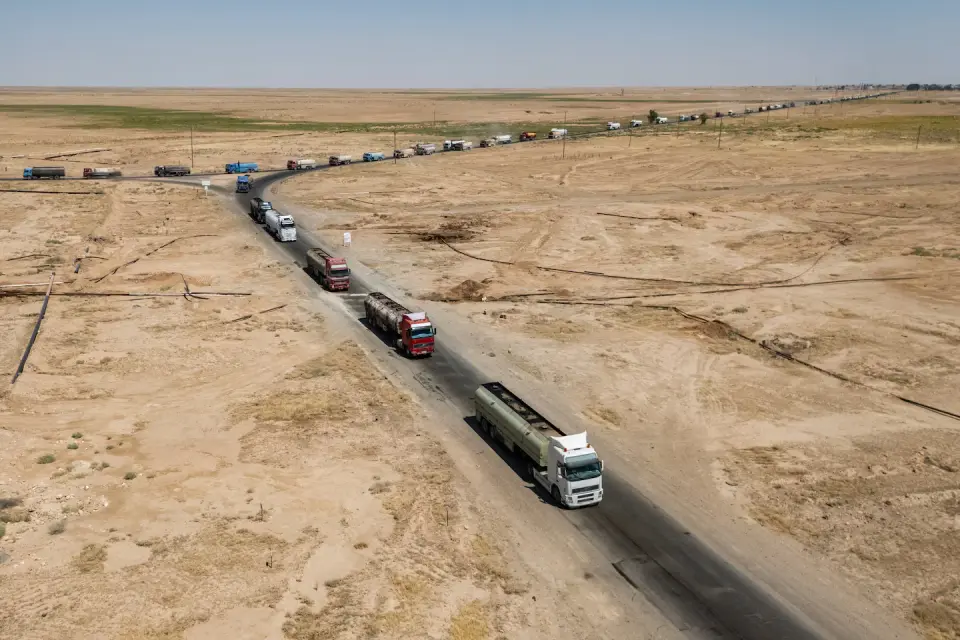
Syria is capitalizing on the wartime blockage of the Strait of Hormuz by offering alternative transit routes for Persian Gulf oil. The country is positioning itself as a critical Middle East hub, with thousands of trucks currently moving crude across its desert terrain toward the Mediterranean. This shift reflects a broader regional strategy to bypass Hormuz, driven by the Iran war and the resulting surge in global energy import costs.
Key points
- Syria is utilizing the Hormuz blockage to establish itself as a key transit hub for oil, offering routes that bypass the strait.
- Approximately 5,000 trucks are currently transporting oil from the Persian Gulf across Syrian desert regions toward the Mediterranean Sea.
- The move is part of a wider regional effort to create alternative oil routes, including pipelines and port expansions, to mitigate the impact of the Iran war.
- Global energy import bills have surged by roughly $330 billion in six months as tanker routes diversify to avoid Hormuz.
- Syria’s role in this network is part of a broader geopolitical shift involving countries like Iraq, Turkey, and Saudi Arabia seeking to reduce dependence on the strait.
Background
This development follows a series of earlier reports on the Iran war’s impact on global energy logistics. In August 2026, Israel and Gulf states discussed Mediterranean energy corridors to bypass Hormuz, while Saudi Arabia and the UAE expanded pipeline infrastructure. Additionally, tensions in the region, including IDF strikes in Syria and Lebanon, have heightened the urgency for alternative transit routes. The US has also cleared mines in the Strait of Hormuz, signaling pressure on Iran and further complicating the energy landscape.
Why it matters
Syria’s emergence as an energy transit hub reshapes the geopolitical and economic dynamics of the Middle East. By offering alternative routes for oil, Syria gains strategic leverage and economic opportunities, while global energy markets adapt to the prolonged disruption of the Strait of Hormuz. This shift could influence regional alliances, energy security, and the balance of power in the Middle East, particularly as countries seek to reduce dependence on vulnerable transit routes.
What to watch
The next steps include the potential expansion of Syria’s transit infrastructure, increased investment in regional pipelines, and further geopolitical negotiations to secure alternative energy routes. The success of these efforts will depend on the resolution of the Iran war, the stability of the region, and the willingness of global energy importers to diversify their supply chains.
Want the full story? Read the original reporting
Read on The Washington Post