
Turkey Advances PKK Disbandment Law Amid Regional Shifts
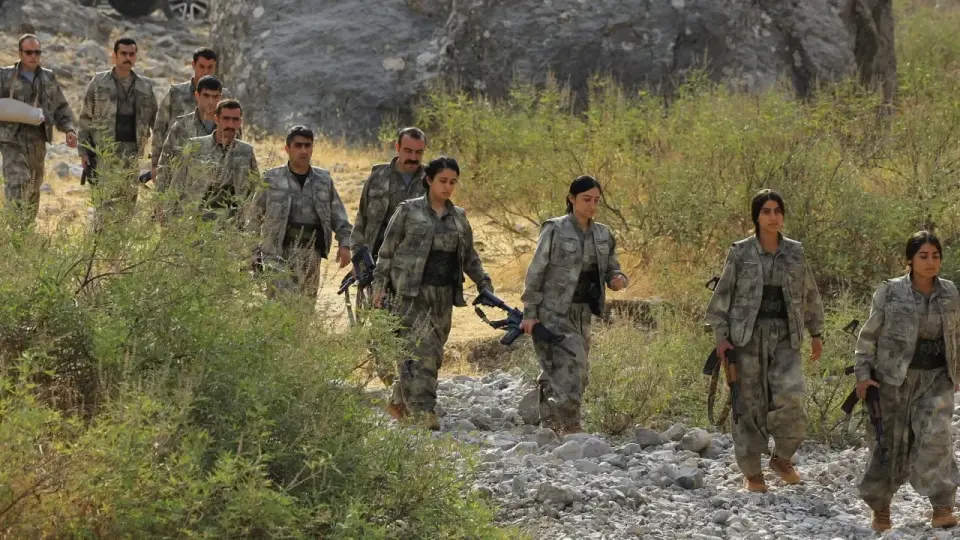
Turkish parliament is set to approve a draft law facilitating the disbandment of the Kurdistan Workers Party (PKK) and the return of thousands of former militants. The legislation, backed by President Erdogan’s AKP and the pro-Kurdish DEM Party, aims to end a 40-year insurgency that has killed over 40,000 people. While the bill offers a de facto amnesty for many members, it excludes those convicted of intentional homicide or life sentences before 2005, notably excluding leader Abdullah Ocalan. The process, stalled earlier by the Iran war, now faces skepticism regarding its long-term durability despite broad parliamentary support.
Key points
- Draft law submitted to parliament on August 5, 2026, to manage PKK disarmament and reintegration.
- Bill supports return of thousands of fighters from Iraq, Syria, and Europe, with a pardon for about 4,000 non-violent members.
- Excludes individuals convicted of intentional homicide or life sentences before June 1, 2005, including leader Abdullah Ocalan.
- Peace process began in late 2024 but stalled due to the Iran war and regional instability.
- PKK declared disarmament in May 2025 following an appeal from Ocalan, who remains imprisoned since 1999.
Background
The Turkey-PKK conflict began in 1984, initially seeking an independent Kurdish state before shifting to demands for autonomy. Previous peace efforts, most recently in 2015, failed. The current initiative, initiated by MHP leader Devlet Bahceli in October 2024, follows a period of regional tension, including the Iran war, which temporarily halted progress. The bill is part of a broader strategy to stabilize borders in Iraq and Syria, where Kurdish-led forces have significant influence.
How outlets are covering it
The Jerusalem Post emphasizes the broad parliamentary support for the bill, noting skepticism in polls regarding lasting peace. AP News highlights the specific legal mechanisms, including a pardon for 4,000 members and the exclusion of senior figures like Ocalan, while noting the bill’s temporary nature (up to four years). Courthouse News focuses on the political dynamics, noting that the main opposition Yeni Party expressed regret at not being consulted, and highlights the 50,000 death toll. All sources agree on the bill’s submission date and the exclusion of Ocalan, but differ on the emphasis: JPost focuses on the conflict’s end, AP on the legal framework, and Courthouse News on the political consensus and exclusions.
Why it matters
The passage of this law could mark the end of a decades-long insurgency, reducing violence in Turkey, Iraq, and Syria. It may facilitate regional trade and security cooperation, particularly with Iraq and Syria, as noted by analysts. However, the exclusion of Ocalan and the temporary nature of the amnesty raise questions about the long-term stability of the peace. The process also reflects shifting regional dynamics, including the impact of the Iran war on Turkish foreign policy.
What to watch
Parliament’s Justice Committee is expected to review the bill on August 7, with a general assembly debate to follow. The government aims to pass the law before the summer recess in late August. Further legislation may address Ocalan’s release and other issues, while a ministerial committee and parliamentary commission will monitor the disarmament and reintegration process. The outcome will depend on the PKK’s full disarmament and the National Security Council’s confirmation of the group’s dissolution.
- Turkey aiming to end conflict with, disband Kurdistan Workers Party The Jerusalem Post
- Turkey unveils draft law to reintegrate PKK militants, achieve peace Reuters
- Bill aiming for peace between Turkey and Kurdish fighters goes to parliament AP News
- Signed, sealed: New bill for terror-free Türkiye makes the rounds | Daily Sabah Daily Sabah
- Turkish parliament indicates support for PKK peace bill courthousenews.com
Want the full story? Read the original reporting
Read on The Jerusalem Post