
Navy Orders Personnel to Scrub Social Media Amid Rising Adversary Threats
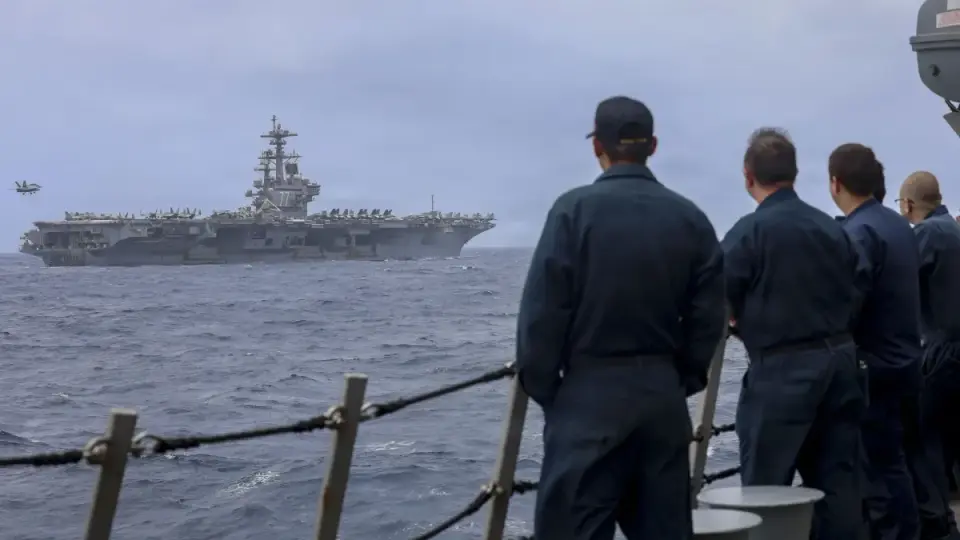
Acting Secretary of the Navy Hung Cao issued a directive on August 19 urging sailors and Marines to hide their military affiliations on social media. The order follows a 'coordinated, multi-domain campaign' by adversaries, including drone surveillance and harassment, since the start of the Iran war in February. Personnel are instructed to set profiles to private and remove data that reveals life patterns or military ties. This move expands on previous cyber-security warnings, reflecting a broader strategy to protect forces from intelligence gathering and targeted attacks.
Key points
- Acting Secretary of the Navy Hung Cao issued an August 19 notice advising Department of the Navy personnel to 'harden' online profiles and hide military ties.
- The directive cites an 'evolving threat landscape' since the February start of the Iran war, including coordinated campaigns of harassment and data mining.
- Adversaries are using aerial drones to surveil bases and commercially available data to track personnel movements and habits.
- Personnel are instructed to set social media profiles to private and remove any information that could identify their connection to the Navy or reveal life patterns.
- The notice requires reporting suspicious activity, such as drone sightings or surveillance, to the Naval Criminal Investigative Service.
- This directive expands on previous April warnings from predecessor John Phelan, which focused primarily on cyber operations rather than broad social media privacy.
Background
This directive follows a period of heightened security concerns during the Iran war, which began in February 2026. In December, U.S. Central Command directed troops to disable geolocation services after commercially available data, such as fitness app routes, was used to target military sites in Bahrain and Jordan. The current order comes during a lull in fighting after July escalations, with over 750 troops wounded and 18 killed since the conflict began. Earlier in August, reports of morale and supply strains on deployed ships, such as the USS Abraham Lincoln, circulated, though this specific directive focuses on digital security rather than logistical issues.
Why it matters
The directive highlights a shift in military strategy from reactive cyber-defense to proactive personal data management. By instructing personnel to obscure their digital footprints, the Navy aims to deny adversaries the intelligence needed for targeted harassment or physical attacks. This reflects a broader trend where commercial data and social media presence have become significant vulnerabilities in modern warfare, requiring individual action to complement institutional security measures.
What to watch
Personnel are expected to immediately review and adjust their social media privacy settings. The Navy will likely monitor compliance and report rates of suspicious activity to assess the effectiveness of these measures. Further directives may emerge as the threat landscape evolves, potentially expanding to other digital platforms or requiring stricter data hygiene protocols across the Department of the Navy.
Want the full story? Read the original reporting
Read on Task & Purpose