
Ukraine’s MiG-29s Revert to 1970s Missiles as Jet Drone Interception Rates Drop
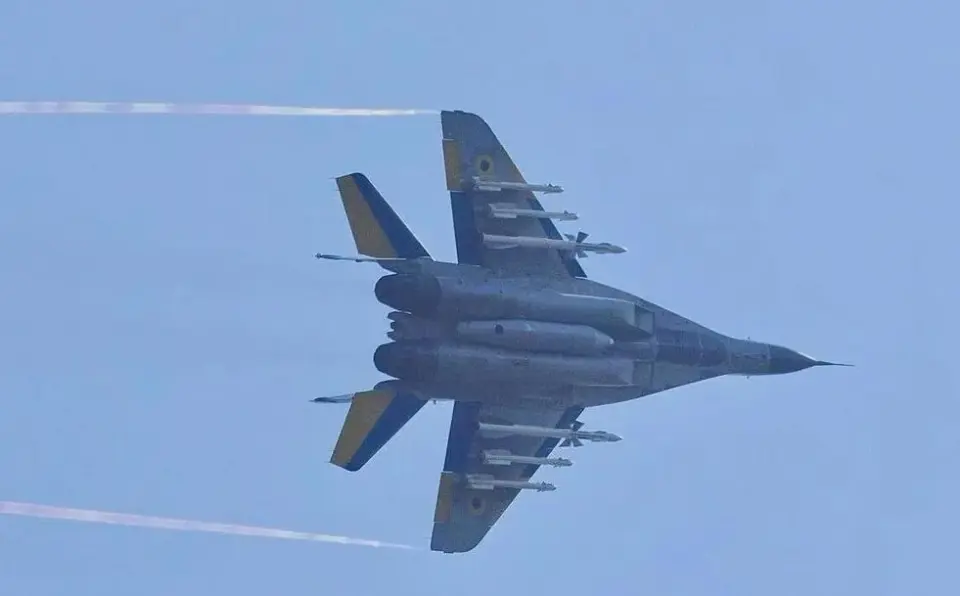
Ukraine’s air force is increasingly relying on obsolete 1970s-era R-60 missiles to intercept Russian jet-powered drones and cruise missiles due to a severe shortage of modern R-73 and Western AIM-9/120 munitions. While MiG-29s and F-16s remain active, the shift to older, less accurate weapons reflects a critical supply gap. Russian jet drone launches surged to 2,500 in August, overwhelming Ukrainian defenses and resulting in interception rates as low as 60%, compared to over 90% for slower propeller drones. This has led to significant civilian casualties, including 38 deaths in the village of Myla.
Key points
- Ukraine’s MiG-29 fighters are now using R-60 missiles, designed in the 1970s, to counter fast-moving Russian Geran-3/4/5 drones and Banderol missiles, as stocks of the preferred R-73 and Western AIM-9/120 missiles have depleted.
- The R-73 missile, which is more maneuverable and accurate, is in short supply because its production relies on Russian assembly lines, and Ukraine has repurposed existing stocks for ground launchers and robotic boats to extend their utility.
- Russian jet-powered drone launches increased from 1,500 in July to 2,500 in August 2026, with interception rates dropping to 60-70%, a significant decline from the 90% success rate against slower propeller drones.
- The Myla village attack on August 29, 2026, killed 38 people when a Geran-4 drone struck an ammunition depot, highlighting the lethality of these fast-moving weapons that bypass ground-based defenses.
- Ukraine is modernizing the R-60 with digital seeker components to improve its infrared sensitivity, but analysts note this is a temporary measure until new interceptor drones are deployed.
Background
Ukraine has faced escalating drone threats since 2022, initially relying on propeller-driven Shahed drones. The shift to jet-powered variants in 2025 and 2026 has strained Ukrainian air defenses, which previously achieved high interception rates with ground-based systems and slower interceptors. Earlier reports indicated shortages in MANPADS targeting technology and batteries, but the current crisis centers on air-to-air missile availability for fighter jets.
How outlets are covering it
Euromaidan Press emphasizes the technical and logistical strain on Ukraine’s air force, highlighting the return of obsolete R-60 missiles and the finite nature of R-73 supplies due to Russian assembly dependencies. Al Jazeera focuses on the broader impact of jet drones on civilian casualties and the strategic shift in Russian tactics, noting the 60% interception rate and the surge in launches. The Guardian underscores the scale of the attacks, with 800 jet drones launched in four days, and the resulting daytime air raids in Kyiv, while noting Ukraine’s efforts to develop faster interceptor drones. All sources agree on the critical shortage of modern missiles and the increased lethality of Russian jet drones, but Euromaidan Press provides more detail on the specific missile types and their limitations, while Al Jazeera and The Guardian highlight the human and strategic consequences.
Why it matters
The shortage of modern air-to-air missiles threatens Ukraine’s ability to protect its population and critical infrastructure from fast-moving Russian drones. If interception rates continue to drop, more Russian munitions will reach their targets, causing greater civilian casualties and damage to power plants, ports, and warehouses. This could force Ukraine to rely on less effective measures, such as fighter guns, which pose risks to both the interceptor and civilians below. The situation underscores the vulnerability of Ukraine’s air defense system to sustained, high-volume attacks with advanced technology.
What to watch
Ukraine is racing to deploy new interceptor drones, with four companies in field trials, to restore high interception rates. However, production of these interceptors is currently behind Russian jet drone output, meaning the numerical advantage may remain with Russia for several months. Ukraine is also modernizing the R-60 missile with digital components to improve its effectiveness, but this is a temporary solution. The long-term outlook depends on the success of these new interceptors and the availability of Western missile supplies, which remain uncertain.
- Ukraine is running short of its best missiles for hunting Russia's jet drones. Now MiG-29s are firing 1970s weapons Euromaidan Press
- The New Jet-Powered Drones That Are Breeding Anxiety in Ukraine The New York Times
- Russia’s jet-powered drones overwhelm Ukraine, killing dozens Al Jazeera
- Kyiv suffers hours of daytime air raids as Russia deploys new jet-powered drones The Guardian
- The Ukraine Drones That Are Carrying a Bigger Punch, Deeper Into Russia WSJ
Want the full story? Read the original reporting
Read on Euromaidan Press