
Leaked Documents Reveal Russia's Secret Ramjet Technology Transfer to Iran
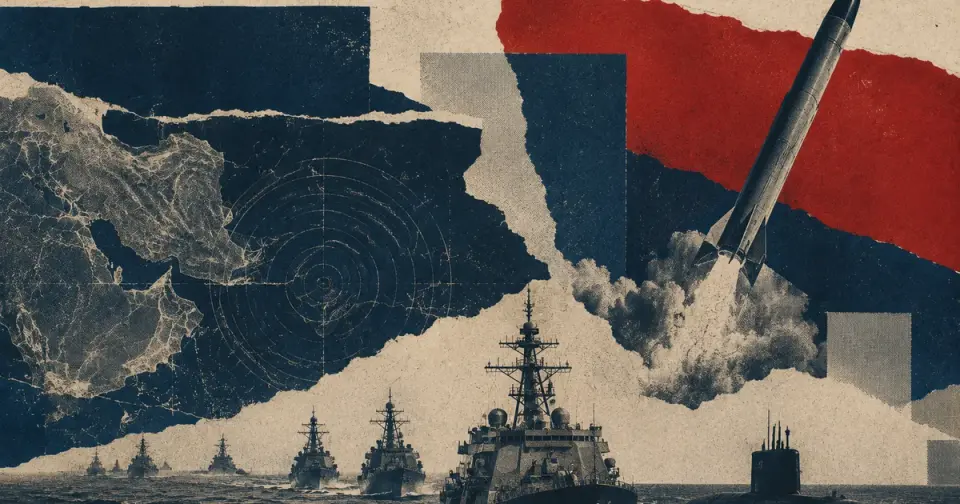
Leaked correspondence and travel records reveal a covert Russian program, codenamed C430L, to help Iran develop supersonic cruise missiles. The initiative, which began in 2023, involves transferring ramjet propulsion expertise to Tehran, potentially allowing Iran to threaten US naval assets in the Middle East with weapons that are difficult for current defense systems to intercept.
Key points
- The Financial Times reports that Russia has secretly assisted Iran in developing supersonic cruise missile technology since 2023 under the codename C430L.
- The program involves the transfer of ramjet propulsion expertise, which allows missiles to fly at several times the speed of sound, significantly reducing the reaction time for US and allied air defenses.
- Russian state arms exporter Rosoboronexport and missile developer NPO Mashinostroyenia coordinated the effort, with senior engineers traveling to Iran to analyze flight-test data and advise on engine design.
- Experts note that while Iran has built and tested the propulsion system, there is currently no evidence that a Russian-assisted supersonic missile has entered active service.
- The cooperation represents a deepening of military ties, with Russia providing technical know-how rather than just finished weapons, a move that requires high-level political clearance in Moscow.
Background
This development follows a broader pattern of military cooperation between Moscow and Tehran, which includes Iran supplying Shahed drones to Russia for use in Ukraine and Moscow providing Verba air defense systems to Iran. The current missile assistance occurs amid ongoing tensions, including US economic pressure on Iran and recent strikes between the two nations.
How outlets are covering it
The Financial Times, the primary source, emphasizes the strategic sensitivity of the technology transfer, citing leaked documents and patents to show the depth of Russian involvement. The Jerusalem Post highlights specific personnel involved, naming senior engineers from NPO Mashinostroyenia and Rosoboronexport officials who negotiated the contract. While the FT focuses on the technical implications for US naval security, the Jerusalem Post also notes recent diplomatic exchanges between Iranian President Pezeshkian and Russian President Putin, where Moscow pledged continued economic and military support despite US sanctions. KATU reported on the story in the context of recent US-Iran military exchanges, framing the missile development as part of a broader escalation in regional hostilities.
Why it matters
The transfer of supersonic ramjet technology could fundamentally alter the balance of power in the Middle East by giving Iran a weapon system that is significantly harder to detect and intercept than conventional cruise missiles. This capability could directly threaten US Navy vessels and regional allies, potentially forcing Washington to escalate its military posture or economic pressure on Tehran to counter the new strategic threat.
What to watch
A June 2026 letter from Rosoboronexport indicates that discussions for a further phase of development are ongoing, though it is unclear if this next stage has begun. The Kremlin and Iranian government have not responded to requests for comment, leaving the current status of the program and the timeline for any potential deployment uncertain.
- Russia secretly assists Iran with supersonic cruise missiles - FT Iran International
- Russia secretly helping Iran develop supersonic cruise missiles Financial Times
- U.S., Iran trade strikes as report details Russian help on Iranian missile technology KATU
- Russia said helping Iran develop supersonic cruise missiles timesofisrael.com
- Russia secretly aiding Iran in development of supersonic cruise missile technology - report The Jerusalem Post
Want the full story? Read the original reporting
Read on Iran International