The Dutch central bank relocated about 86 tons of gold from New York and Ottawa to London to improve tradability and crisis preparedness, storing the gold with the Bank of England as geopolitical tensions rise and gold prices rally.
The Dutch central bank (DNB) moved about 86 tonnes of its gold from the United States and Canada to London between March and August 2025, citing rising geopolitical unrest and a desire for quicker crisis deployability. London now holds 32.1% of Dutch gold (up from 18.1%), while New York and Ottawa each account for 18.5% and the Netherlands retains 30.8% at home. The operation mixed buying/selling with physical transfers, including roughly 27 tonnes moved physically to Zeist and then to London, to spread risk and avoid melting bars. DNB says it does not expect to deploy the reserves but wants greater resilience; Bundesbank continues to store its reserves in New York for now.
Rising global political tensions prompt the Netherlands to relocate portions of its gold reserves to foreign vaults to safeguard assets and diversify storage locations.
The Dutch central bank moved 86 tonnes of gold from the United States and Canada to London to improve deployability in a crisis, citing rising geopolitical unrest; after the transfer, London holds about 32.1% of the reserve, New York and Ottawa each hold 18.5%, and the Netherlands hosts 30.8%, with the move achieved through a mix of buying/selling and physical transfers.
Iran’s central bank governor Abdolnasser Hemmati says hyperinflation has not happened and the economy remains under control, but economist Farshad Momeni argues hyperinflation has already occurred. Official monthly inflation in Tir is 3.1% with triple‑digit inflation reported in poorer regions, illustrating a dispute over terminology rather than mere numbers. The debate underscores a widening gap between policy rhetoric and living standards, as purchasing power wanes and social stress grows. The government relies on measures like a raised state food coupon and tight exchange controls amid sanctions and wartime disruptions, while analysts warn that sustained inflation and weak growth threaten contracts, trust, and everyday life even as officials stress that essential goods stay on shelves.
Russia’s central bank cut its key rate by 25 basis points to 14.25%, the ninth consecutive easing move as policymakers take a cautious stance amid roughly 5.6% inflation and a growing budget deficit that could keep policy tighter for longer; the bank still expects inflation to slow toward 4% in the medium term, with GDP growth around 0.4% this year and the next meeting scheduled for July 24.
The Bank of Japan is poised to raise rates to a 31-year high next week and signal ongoing tightening, despite Governor Ueda’s absence due to illness, aligning policy with peers like the ECB.
Russian Central Bank Governor Elvira Nabiullina misses Putin’s rate-setting meeting and has not appeared in public for about a week, fueling speculation about a possible replacement as her 2027 term nears; three candidates—Maxim Oreshkin, Pyotr Fradkov, and Andrei Kostin—have been floated, though the final decision rests with Putin.
Russia's State Duma approved a law letting the central bank and select financial institutions run their own anti-drone defense systems and arm staff to protect key facilities, enabling jamming or shooting down drones and other unmanned threats near protected sites.
President Putin pressed the government and the Central Bank for explanations after Russia’s economy undershot expectations this year, with January–February GDP down 1.8% year-on-year. Calendar-adjusted figures show January flat and February up 0.3%, but construction and broader industrial activity remained weak. Oil and gas revenues plunged, widening the budget deficit to 4.58 trillion rubles, signaling limited upside as economists warn of only modest growth around 1% this year amid high interest rates and war distortions.
A Bolivian Air Force C-130 cargo plane crashed on approach to El Alto International Airport, killing at least 11 people. The aircraft, flying from Santa Cruz, was carrying banknotes to the Central Bank of Bolivia. The runway was hit and the airport was temporarily closed as authorities opened an investigation. The Defense Ministry warned the banknotes have no purchasing power, and urged the public to stay away, as some people reportedly tried to collect the money at the scene.
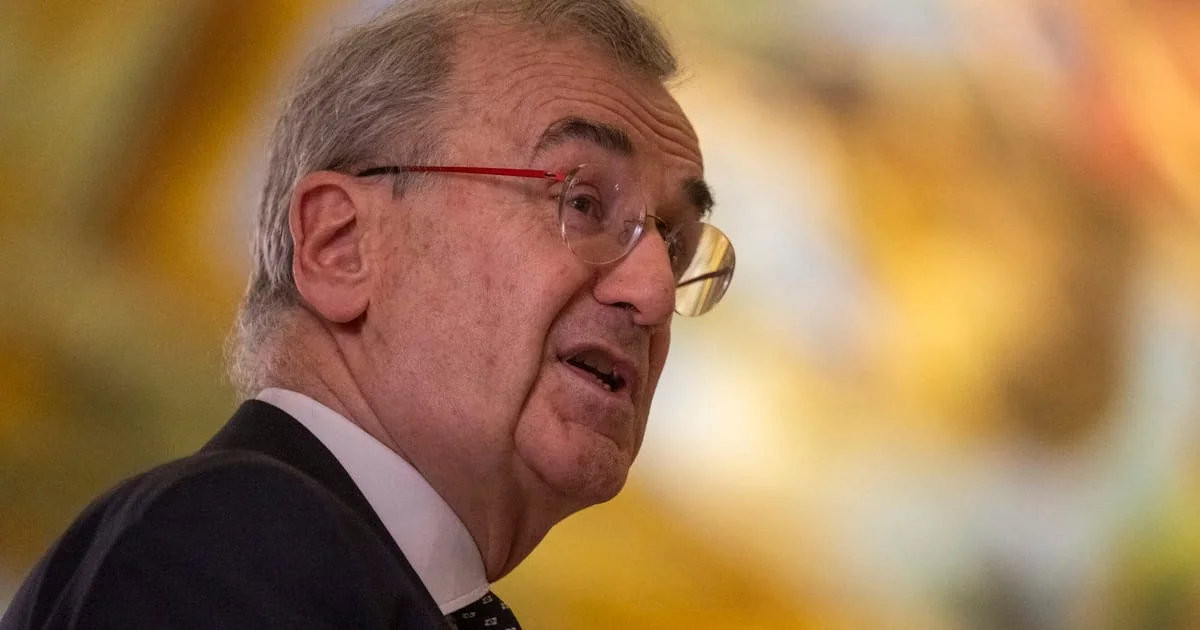
Bank of France Governor François Villeroy de Galhau will step down in June 2026, more than a year before his term ends, enabling President Macron to influence the appointment of his successor and potentially avoid a candidate aligned with the opposition; Macron supporters say the move aids a smooth transition, while critics call it a political stitch‑up; Villeroy said the decision is personal and will let him take a new role at a charity, with implications for ECB policy and France’s fiscal stance.
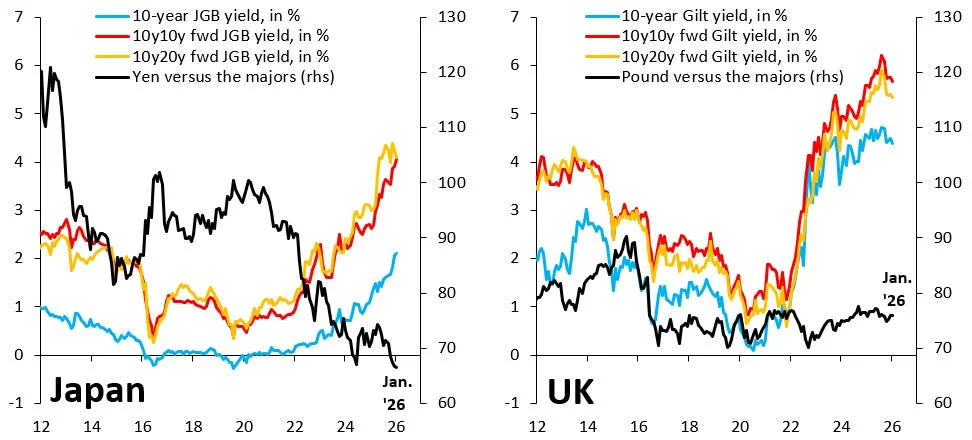
The article argues that debt crises in advanced economies are more plausible than commonly thought: high public debt plus shocks can push yields higher, and even when central banks cap yields, currencies can depreciate, signaling ongoing, low‑grade crises across Japan, the UK, and parts of the euro area. For example, Japan’s yen falls as JGB yields rise despite BoJ caps, the UK sees rising gilt yields with a relatively stable pound, and Italy, Spain and France face growing debt pressures within a euro framework, though Germany's low debt provides some insulation. The piece concludes that debt distress is already unfolding in the G10 and could deepen.
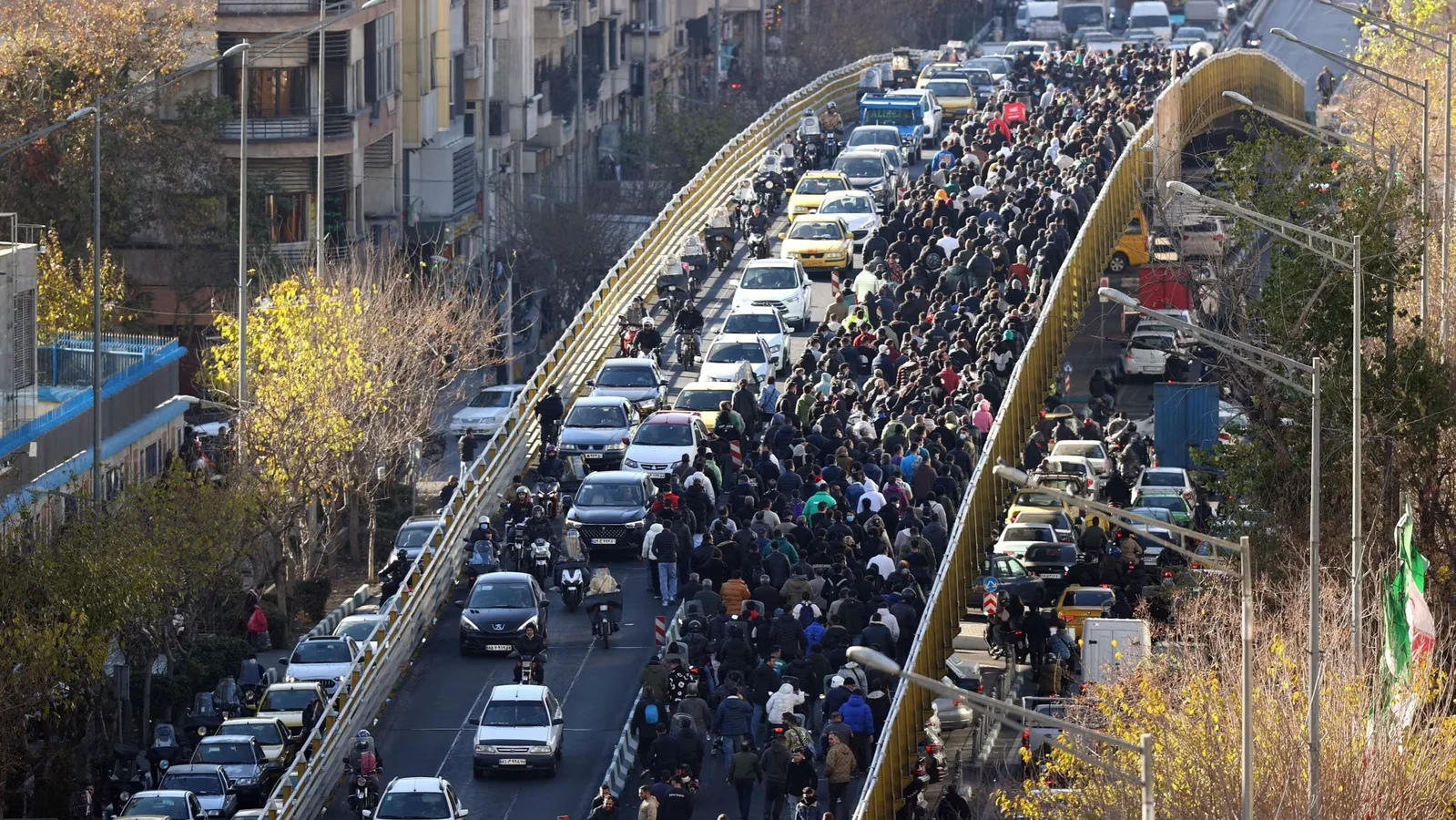
The head of Iran's Central Bank resigned amid protests in Tehran and other cities following the rial hitting a record low against the dollar, with traders and citizens rallying over economic instability, soaring inflation, and fears of hyperinflation, exacerbated by political tensions and international sanctions.