
Brazil Election Race Narrows to Statistical Tie as Lula Faces Bolsonaro Son
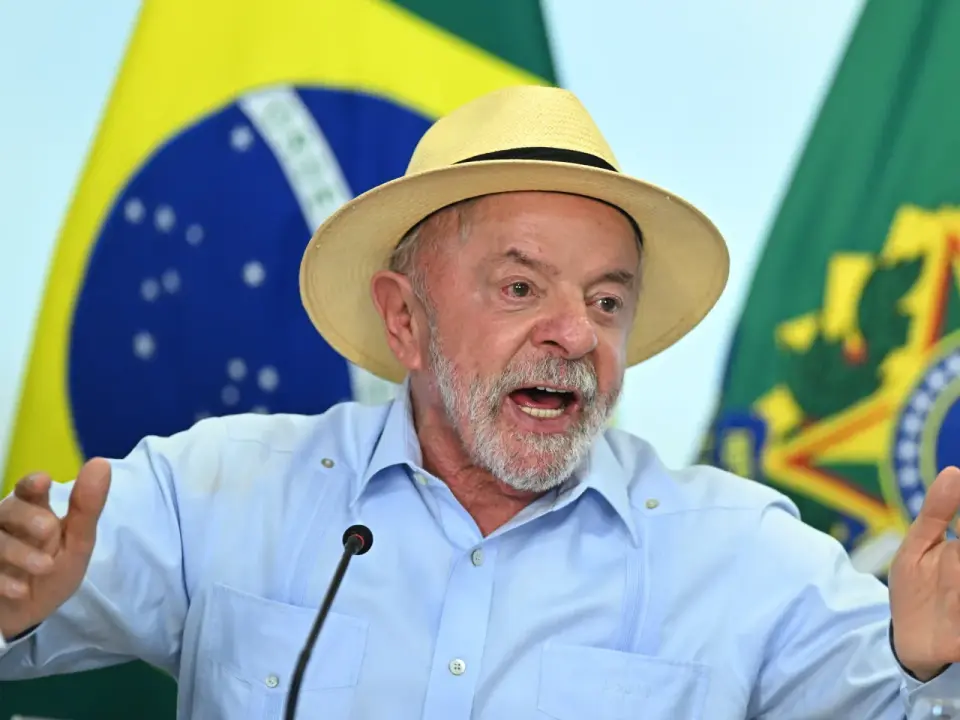
A new poll shows Brazilian President Lula da Silva holding a slim 3-point lead over Senator Flavio Bolsonaro ahead of the October vote, a narrowing from previous surveys. While Lula leads the first-round scenario more comfortably, the runoff is effectively a tie within the margin of error. The race is shaped by Lula’s focus on sovereignty and defense against foreign interference, contrasted with Flavio Bolsonaro’s moderate branding despite his father’s disqualification. Other candidates remain far behind, though voter dissatisfaction with both main contenders may benefit minor figures.
Key points
- Quaest poll (Aug 10-13) shows Lula at 43% vs. Flavio Bolsonaro at 40% in a simulated runoff, a statistical tie given the 2-point margin of error.
- Lula leads the first-round scenario 38% to 31%, with Renan Santos and Ronaldo Caiado polling at 4% each.
- Lula’s campaign emphasizes national sovereignty, increased defense spending, and protection of rare earth minerals from foreign control.
- Flavio Bolsonaro is running after his father, Jair Bolsonaro, was barred from office by the electoral court for abuse of power.
- Lula warned against US interference, stating Brazilian elections are a domestic matter, while Trump maintains close ties with the Bolsonaro family.
Background
Previous polls in August 2026 showed a wider gap between Lula and Flavio Bolsonaro, with Lula leading by five points in early August and four points in late July. The race has been influenced by foreign endorsements for Flavio Bolsonaro from leaders like Javier Milei and Benjamin Netanyahu, as well as domestic controversies involving the Bolsonaro family. Lula’s re-election bid was officially launched in early August, focusing on economic and security policies.
How outlets are covering it
Al Jazeera highlights the tightening race and Lula’s stance on sovereignty and foreign interference, noting the statistical tie in the runoff. The Economist provides a broader analysis of the candidates, emphasizing Lula’s legacy of poverty reduction but noting voter dissatisfaction with his economic record and corruption scandals. It also details Flavio Bolsonaro’s moderate branding versus his father’s policies, and the potential for minor candidates like Augusto Cury to benefit from voter fatigue. The Economist notes that while Lula has a structural advantage, the race is competitive due to economic concerns and corruption issues.
Why it matters
The outcome of the Brazilian presidential election will significantly impact regional and global politics, particularly regarding US-Brazil relations and foreign interference in domestic affairs. Lula’s focus on sovereignty and defense could reshape Brazil’s stance on international issues, while Flavio Bolsonaro’s potential victory would continue the Bolsonaro legacy despite his father’s disqualification. The race also reflects broader trends in Latin American politics, with voters weighing economic stability, security, and foreign policy.
What to watch
The campaign will likely intensify in the final two months before the October vote, with debates and policy announcements focusing on economic and security issues. Polls may continue to show a tight race, with minor candidates potentially influencing the outcome through vote-splitting. The US and other foreign powers may continue to monitor the election closely, given the implications for regional stability and foreign policy.
- Lula holds slim lead over Flavio Bolsonaro ahead of Brazil election Al Jazeera
- Lula's lead over Bolsonaro narrows ahead of Brazil election, poll shows reuters.com
- Brazil’s elections are the acid test for Trump’s Latin America policy The Hill
- Brazil election poll tracker: Who will be the next president? The Economist
- Lula’s Lead Over Bolsonaro Narrows in Brazil Election Poll Bloomberg.com
Want the full story? Read the original reporting
Read on Al Jazeera