
EU Ambassadors Approve Record 1,646 Sanctions Against Russia’s War Machine
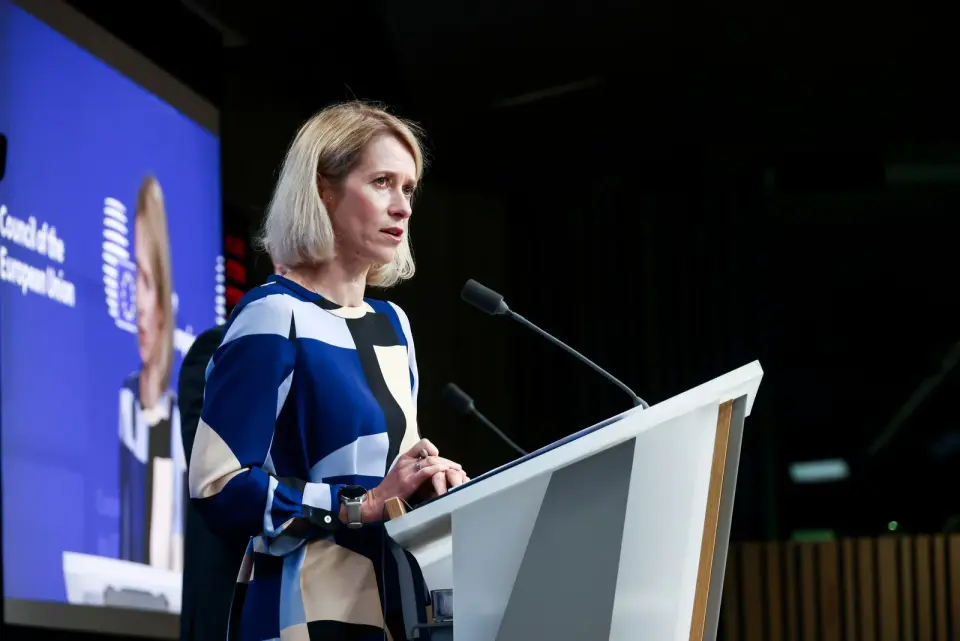
EU ambassadors unanimously approved a record-breaking list of 1,646 new sanctions targeting Russia’s military-industrial complex and political figures on October 7, 2026. The package, which includes 743 individuals and 826 entities, will be formally adopted by foreign ministers on October 12. This expansion brings the total number of sanctioned Russian targets to nearly 4,650, marking a significant escalation in economic pressure against Moscow.
Key points
- EU ambassadors approved 1,646 new sanctions targets on October 7, the largest single expansion in EU history.
- The list includes 743 individuals and 826 entities, focusing on defense industries like shipyards, aviation, and electronics.
- The sanctions will be formally adopted by EU foreign ministers in Luxembourg on October 12.
- The total number of sanctioned Russian entities and individuals will rise to approximately 4,650.
- The EU is shifting to a more agile approach, adopting smaller sanctions lists on a rolling basis rather than large bundled packages.
Background
The EU had been preparing this massive sanctions package since late August, following Germany’s attribution of a drone attack on Leipzig-Halle Airport to Russia. Earlier in September, EU foreign ministers pledged unity and signaled plans for approximately 1,600 additional sanctions. The Kyiv Independent first reported the specific list on September 21. This move follows a contentious decision in September to remove two high-profile oligarchs, Alisher Usmanov and Mikhail Fridman, from the blacklist at France’s request, a move that sparked debate over the EU’s reliance on unanimity for foreign policy decisions.
How outlets are covering it
The Kyiv Independent emphasizes the scale of the new list, noting it is the largest single expansion and targets a wide range of defense industry players, from shipyards to electronics manufacturers. Euronews highlights the political context, noting that member states sought to project a united front amid hybrid attacks and the recent removal of oligarchs Usmanov and Fridman. Euronews also points out the ongoing debate within the EU about moving from unanimity to qualified majority voting for sanctions to avoid vetoes, a change proposed by the European Commission. Both sources agree on the core facts of the 1,646 new targets and the October 12 formal adoption date, but Euronews provides more detail on the internal EU political dynamics and the precedent set by the Usmanov removal.
Why it matters
This record expansion of sanctions signals a significant escalation in the EU’s economic pressure on Russia, targeting the core of its military-industrial complex. The shift to a more agile, rolling sanctions approach suggests the EU is adapting to the evolving nature of the conflict and hybrid threats. The move also highlights the ongoing tensions within the EU regarding the balance between unity and national interests, as seen in the Usmanov/Fridman removal and the debate over voting procedures.
What to watch
EU foreign ministers are expected to formally adopt the sanctions on October 12 in Luxembourg. The targeted individuals and entities will then be made public. The EU is also preparing additional lists of sanctions, including those targeting those who rigged Russia’s September election and candidates who ran in Russian-occupied Ukrainian territory. Work has already begun on new listings in response to the drone incident at the Leipzig airport in Germany.
- EU ambassadors wave through largest-ever list of Russia sanctions The Kyiv Independent
- EU envoys set to approve major new Russia sanctions on Wednesday Reuters
- Europe hits Putin with double whammy on his birthday Yahoo
- EU agrees to sanction over 1,600 people and entities linked to Russia's war Euronews.com
- EU countries shoot themselves in the foot when they veto sanctions Financial Times
Want the full story? Read the original reporting
Read on The Kyiv Independent