
Israel’s Central Elections Committee bars major Arab parties ahead of October vote
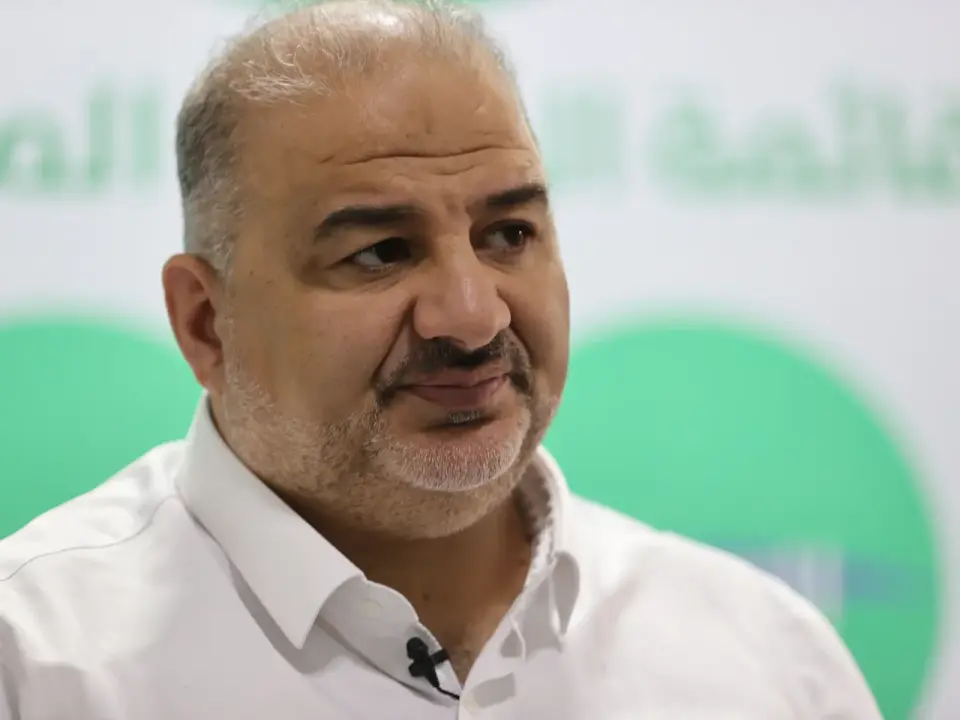
Israel’s Central Elections Committee voted to disqualify the United Arab List (Ra’am) and the Joint List from the October 27 parliamentary election. The decision, driven by petitions from Prime Minister Benjamin Netanyahu’s coalition, aims to prevent Arab voters from influencing the balance of power in a closely contested race. Both parties have denounced the move as politically motivated and plan to appeal to the Supreme Court, which has previously overturned similar bans. The exclusion of these parties could significantly alter coalition math, as neither the ruling bloc nor the opposition currently holds a clear majority.
Key points
- The Central Elections Committee voted 18-5 to disqualify Ra’am and the Joint List, with separate votes barring individual candidates Ofer Cassif and Sami Abu Shehadeh.
- Petitions were filed by Netanyahu’s Likud party, Itamar Ben-Gvir’s Otzma Yehudit (Jewish Power), and a victims’ group, citing Section 7A of Basic Law regarding incitement or support for armed struggle.
- The Attorney General’s office opposed the bans, finding no legal basis for excluding the parties, though it noted a 2023 article by Abu Shehadeh required examination.
- Ra’am and the Joint List, representing over 1.25 million voters, called the decision 'unacceptable' and 'racist,' vowing to challenge it in court and through public protest.
- Polls project 12 seats for the Arab parties, which could be pivotal in forming a government, as neither the ruling coalition nor the opposition bloc currently reaches the 61-seat majority threshold.
Background
This development follows a period of heightened tension in Israel’s political landscape, where the far-right field has expanded and hardened its rhetoric ahead of the 2026 election. Previous coverage noted that the election outcome may hinge on coalition negotiations rather than a straightforward mandate, with Arab parties playing a crucial role in determining whether a government can be formed. The current move by the elections committee represents a significant escalation in efforts to delegitimize Arab political representation, contrasting with past Supreme Court rulings that have overturned similar bans on Arab parties.
How outlets are covering it
Al Jazeera emphasizes the political nature of the ban, highlighting statements from party leaders like Mansour Abbas and Yousef Jabareen who argue the move is designed to silence criticism and prevent Arab voters from ousting the far-right government. The Financial Times focuses on the electoral math, noting that the exclusion of Arab parties could disrupt coalition dynamics in a closely contested election where neither major bloc holds a majority. Both sources agree that the Supreme Court will play a decisive role, but Al Jazeera places greater weight on the alleged intent to suppress Arab political influence, while the Financial Times underscores the broader implications for the stability of the Israeli political system.
Why it matters
The potential exclusion of major Arab parties from the October 27 election could significantly alter the balance of power in Israel’s Knesset, where coalition formation is critical. If the Supreme Court upholds the bans, it could reduce the influence of Arab voters and shift the political landscape in favor of the ruling coalition. Conversely, if the bans are overturned, it could reinforce the role of Arab parties as key players in coalition negotiations. The outcome will also have broader implications for the rights of Palestinian citizens of Israel and the democratic integrity of the Israeli electoral process.
What to watch
The Supreme Court is expected to hear appeals from Ra’am and the Joint List next week. The court’s decision will determine whether the parties can appear on the October ballot. If the bans are upheld, it could lead to significant political unrest and protests, as party leaders have vowed to challenge the decision through public demonstrations. The outcome will also influence the broader coalition dynamics, potentially affecting the ability of any bloc to form a government.
- Israel moves to bar both main Arab lists from October election aljazeera.com
- Israel’s Election Commission Tries to Bar Leading Arab Parties Bloomberg.com
- Israeli election committee bars main Arab parties from next month’s poll Financial Times
- Balad Chairman Sami Abu Shehadeh's Unforgivable Crime? Speaking as a Palestinian in Israel Haaretz
- Election panel disqualifies all Arab parties, in move likely to be overturned; Balad leader also barred The Times of Israel
Want the full story? Read the original reporting
Read on aljazeera.com