
Macron Rejects Interior Minister's Resignation Amid Post-Riot Crisis
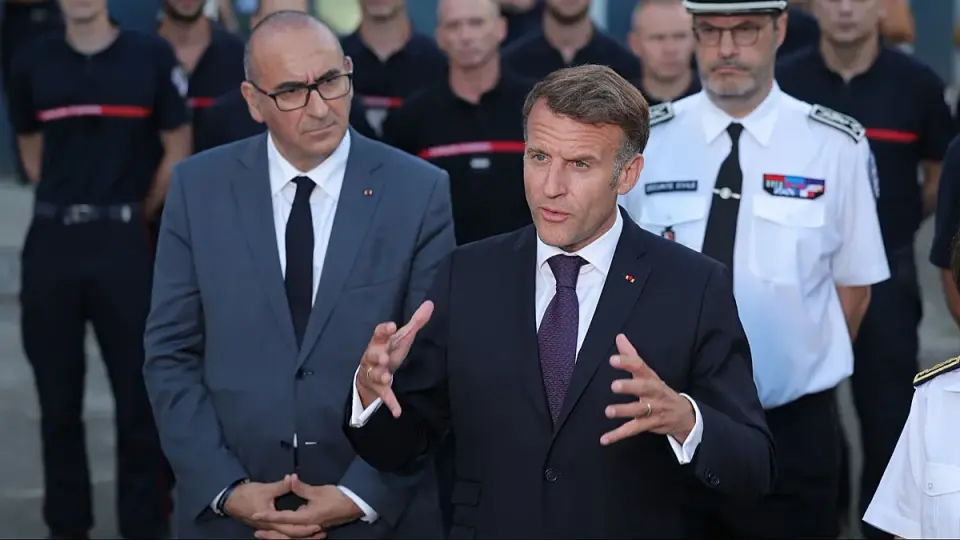
French President Emmanuel Macron has refused the resignation of Interior Minister Laurent Nuñez, citing the need for stable command of security forces following violent riots on October 17. Macron acknowledged failures in intelligence and anticipation but ordered new methods to combat violent rioters. Prime Minister Sébastien Lecornu is convening an interministerial crisis unit, while Macron continues a diplomatic tour of Gulf states to secure energy supplies.
Key points
- Macron rejected Nuñez's resignation on Monday, stating the Élysée needed continuous command of security forces in the current context.
- The resignation was offered after severe violence, including looting and destruction, occurred in major French cities on Saturday, October 17.
- Macron admitted to 'failures in anticipation and intelligence-gathering' that allowed the riots to escalate.
- The president instructed Nuñez to deploy new methods of action on the ground against violent rioters as quickly as possible.
- Prime Minister Sébastien Lecornu is set to chair an interministerial crisis unit starting at 10:00 CEST.
- Macron is proceeding with a diplomatic tour of Kuwait, the UAE, Bahrain, and Qatar to secure oil and diesel supplies and lower fuel prices.
Background
This incident follows a month of escalating unrest in France. On October 17, over 550,000 people protested, with rioters in Paris, Marseille, and Limoges looting shops and destroying historic buildings, including the Limoges Town Hall. Prior to this, on October 16, Nuñez had suspended the use of stun grenades at school protests after teenagers suffered severe injuries, leading to 36 misconduct investigations against police. The current crisis adds to ongoing tensions regarding public order and security policy in France.
How outlets are covering it
Euronews reports that Macron explicitly acknowledged 'failures in anticipation and intelligence-gathering' while rejecting the resignation to maintain command continuity. CNN’s coverage, though largely obscured by technical code in the provided source, frames the weekend as one of the most violent in years, highlighting the severity of the unrest. While Euronews focuses on the political decision to retain Nuñez and the diplomatic pivot to the Gulf, the broader context suggests a deepening crisis in public safety and government response. No direct disagreement between outlets is evident in the readable text, but Euronews provides specific details on Macron's diplomatic itinerary and admission of intelligence failures, which are not detailed in the CNN snippet.
Why it matters
The rejection of the interior minister's resignation signals a commitment to maintaining the current security strategy despite significant public unrest and acknowledged intelligence failures. The simultaneous focus on Gulf energy diplomacy highlights the government's attempt to manage domestic instability while securing critical economic resources. This decision may influence the trajectory of the ongoing protests and the government's ability to restore order.
What to watch
Prime Minister Sébastien Lecornu will chair an interministerial crisis unit to coordinate the government's response. Macron will continue his diplomatic tour of Gulf states to secure energy supplies. The implementation of 'new methods of action' by the interior ministry will be closely monitored for effectiveness and potential escalation of tensions with protesters.
- Emmanuel Macron rejects resignation of interior minister Laurent Nuñez Euronews.com
- France reels from weekend of chaos as violence spreads across Europe CNN
- French Prime Minister calls for partial curfews after weekend riots Reuters
- Macron condemns those who 'sought to bring down the Republic' after rioting mars nationwide protests PBS
- ‘A Failure’: French Officials Issue Mea Culpa Over Weekend Riots The New York Times
Want the full story? Read the original reporting
Read on Euronews.com