
Pentagon Watchdog Report Confirms Iran War Depleted US Munitions and Damaged Regional Bases
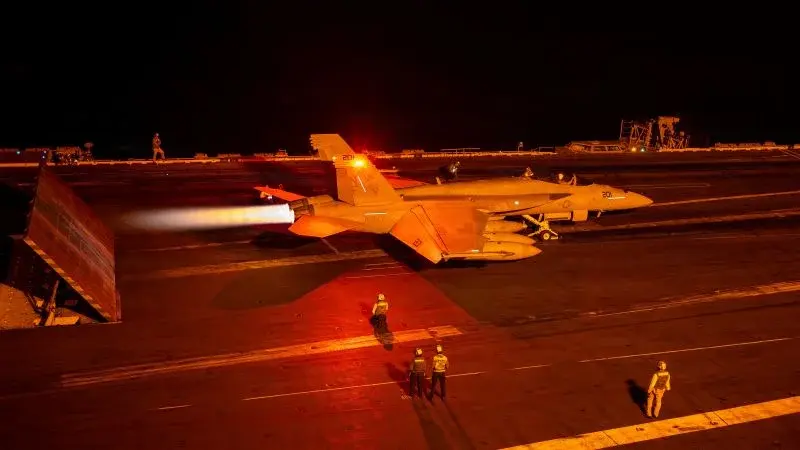
The Pentagon's inspector general released its first formal assessment of the Iran conflict, confirming that the war has depleted critical US munitions stockpiles and caused extensive damage to military and diplomatic facilities across the Middle East. The report highlights a strategic vulnerability in US defense readiness, with analysts warning that replenishing key weapons like Patriot interceptors will take years. While the Pentagon denies acute shortages, the conflict has forced significant operational shifts, including the relocation of logistics hubs and the displacement of thousands of personnel.
Key points
- The Pentagon inspector general's report covers the period from February 28 to June 30, 2026, detailing the first formal accounting of US losses in the Iran war.
- Iranian strikes damaged or destroyed hundreds of buildings at US bases in Kuwait, Bahrain, Qatar, the UAE, Saudi Arabia, Iraq, Oman, and Jordan.
- The conflict has depleted key munitions stockpiles, including Patriot, THAAD, and Tomahawk missiles, with estimates suggesting replenishment to pre-war levels will take one to five years.
- The destruction of the Navy's regional hub in Bahrain led to the use of Diego Garcia as a logistics center, extending resupply cycles to 14-18 days.
- The war has displaced over 20,000 US military and diplomatic personnel, with most medical evacuations now conducted by ground transport due to the loss of air capabilities.
Background
This report follows months of internal and external warnings about US defense readiness. In August 2026, reports indicated that the US had nearly exhausted its long-range missiles, prompting the Pentagon to demand accelerated production plans from defense contractors. President Trump had previously dismissed these reports as 'treasonous,' but analysts from the Center for Strategic and International Studies (CSIS) warned that the depletion of stockpiles could compromise deterrence against China and Russia. The current report provides the first official government confirmation of these shortages and the extensive damage to US infrastructure in the region.
How outlets are covering it
CNN and NBC News emphasize the official confirmation of munitions shortages and the extensive damage to US facilities, with NBC highlighting the $33.4 billion cost estimate for the first four months of the war. CBS News focuses on the industrial challenges of replenishing stockpiles, noting that Lockheed Martin is struggling to increase Patriot production from 750 to 2,000 units annually due to supply chain bottlenecks. The Pentagon, through Defense Secretary Pete Hegseth, denies the existence of acute shortages, calling such claims false, while simultaneously urging industry to increase production to a 'wartime footing.' AP News provides a neutral overview, noting the report's coverage of both military and diplomatic losses, including $184 million in damage to US diplomatic facilities.
Why it matters
The report underscores a significant shift in US military strategy and readiness in the Middle East. The depletion of critical munitions and the damage to key infrastructure raise concerns about the US ability to sustain prolonged conflicts or respond to other threats, particularly from China. The long timeline for replenishing stockpiles suggests a potential vulnerability in US defense posture that could have geopolitical implications for years to come.
What to watch
The Pentagon is expected to continue working with defense contractors to accelerate production and replenish stockpiles. There may be further discussions about the permanent reduction of US personnel and facilities in the Middle East as the war concludes. The report may also influence future defense budget allocations and strategic planning for potential conflicts in other regions.
- Missile shortages, damage to US facilities: Pentagon watchdog issues first review of Iran war CNN
- Iran strikes on US diplomatic facilities in 4 Gulf countries cost $184M: IG report The Hill
- Missile crisis: The hard truths about America's military arsenal CBS News
- US watchdog tallies Iran war’s hit to weapons stockpiles, military bases and more AP News
- Pentagon watchdog says Iran war has led to munitions shortfall NBC News
Want the full story? Read the original reporting
Read on CNN