
Rubio’s Diplomatic Absence: Why the Secretary of State Is Skipping the World’s Biggest Crises
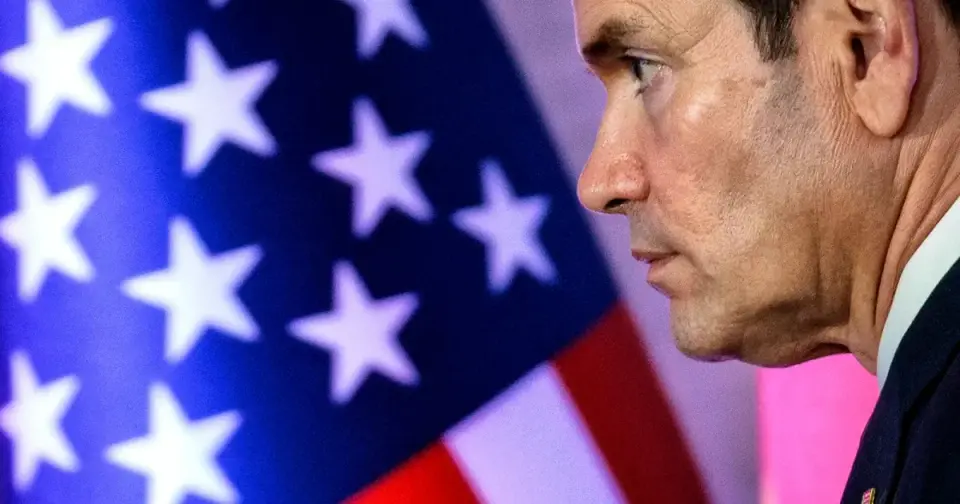
Secretary of State Marco Rubio has largely stepped back from leading US diplomacy in the Iran, Gaza, and Ukraine crises, focusing instead on the Western Hemisphere. While the State Department defends the approach, critics argue this delegation to non-official envoys weakens US global influence and institutional stability.
Key points
- Rubio has prioritized Western Hemisphere issues, notably Cuba and Venezuela, over Middle Eastern and European conflicts.
- Jared Kushner and Steve Witkoff are leading Gaza and Iran negotiations, while VP JD Vance handles Iran-related diplomacy.
- The State Department cites achievements like visa revocations and disaster response to justify the current structure.
- Critics argue bypassing the State Department for major crises undermines professional diplomatic channels and international trust.
- Rubio’s dual role as National Security Adviser may explain his limited direct involvement in active war zones.
Background
In early 2026, Rubio signaled a tougher stance on Iran, warning that Washington would not rely on past concessions. By mid-2026, tensions escalated as the US pursued a 'head for an eye' retaliation policy, and Rubio pushed for international counterterrorism cooperation. Recently, the administration sanctioned ICC officials, reflecting a broader shift toward unilateral action and dismantling international judicial bodies.
How outlets are covering it
MS NOW and Raw Story highlight Rubio’s absence from major public appearances regarding the Iran and Gaza crises, noting that Kushner and Witkoff are leading those efforts. They emphasize the anomaly of special envoys reporting directly to the President rather than the Secretary of State. The Guardian’s Simon Tisdall argues that Rubio’s inaction makes him potentially more dangerous than Trump, as he enables erratic foreign policy without providing diplomatic stability. Tisdall notes Rubio’s shifting stances on China and Russia, suggesting a lack of consistent principles. The Financial Times, while behind a paywall, suggests Europe might benefit from Rubio’s future leadership, implying a potential shift in US-Europe relations. The State Department, via spokesperson Tommy Pigott, defends the administration’s approach, citing 'historic results' and strong working relationships, rejecting claims that career diplomats are sidelined.
Why it matters
The structure of US foreign policy is central to global stability. If the Secretary of State is bypassed for major crises, it signals a shift away from institutional diplomacy toward personal, ad-hoc negotiations. This could weaken long-term US alliances and reduce the effectiveness of peace efforts in critical regions like the Middle East and Eastern Europe. The lack of clear leadership in these areas may prolong conflicts and undermine US credibility with international partners.
What to watch
Watch for Rubio’s potential involvement in 2028 presidential ambitions, which may drive him to seek a more prominent role in foreign policy. Monitor the outcomes of Kushner and Witkoff’s Gaza and Iran negotiations, as their success or failure will test the viability of the current diplomatic structure. Also, observe if Rubio steps up in the Western Hemisphere, particularly regarding Cuba and Venezuela, as these remain his primary focus. The November 2026 midterm elections may also influence the administration’s foreign policy priorities, especially if Republicans face a rout.
- Where’s Marco? Rubio steps back from three top foreign policy crises. MS NOW
- Europe should wish Marco Rubio a bright future Financial Times
- Marco Rubio has unique power to promote peace, but he hasn’t. He is almost as bad for the world as Trump The Guardian
- Trump top gun suddenly goes 'MIA' amid 'gravest and greatest crisis': analysis rawstory.com
Want the full story? Read the original reporting
Read on MS NOW