
Serbia's Vučić Dissolves Parliament to Run for Prime Minister Amid Student Protests
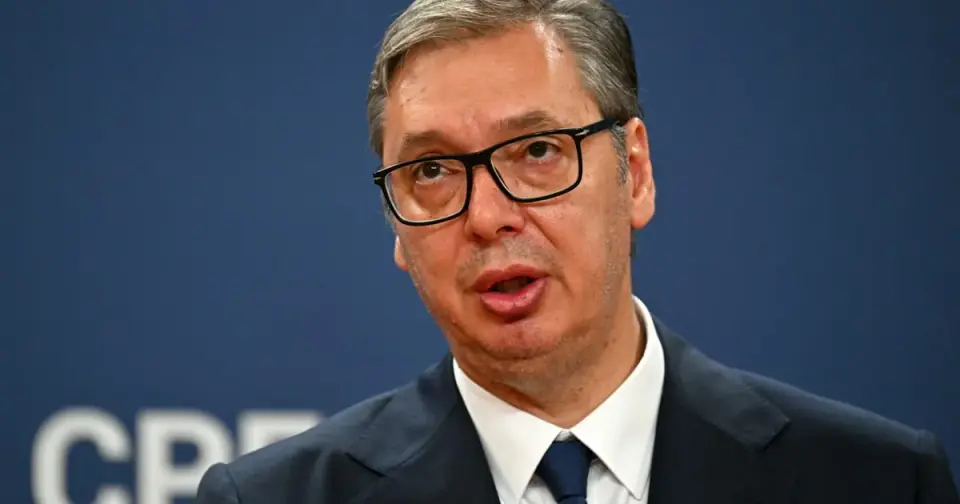
Serbian President Aleksandar Vučić has dissolved parliament and set snap elections for October 25, 2026, aiming to transition from the ceremonial presidency to the powerful role of prime minister. This move follows two years of student-led anti-corruption protests and seeks to consolidate his 12-year grip on power before his current term ends in 2027.
Key points
- Vučić dissolved parliament on Wednesday, citing the need to 'preserve democratic system' and avoid divisions, with the vote scheduled for October 25.
- Prime Minister Đuro Macut requested the dissolution, stating that asking the people was the best way to mitigate societal tensions.
- Vučić’s Serbian Progressive Party (SNS) has nominated him for prime minister if they secure a majority, a move analysts compare to Vladimir Putin’s 2008 transition.
- Protests began after a railway station canopy collapsed in Novi Sad in November 2024, killing 16 people, leading to demands for accountability and early elections.
- A recent poll by the Center for Research, Transparency and Accountability shows the student movement holds a roughly 9-point lead over SNS among decided voters.
Background
Serbia has been an EU candidate since 2012, but its accession bid has stalled due to concerns over democratic backsliding and its refusal to sanction Russia for the invasion of Ukraine. Vučić has faced calls to step down since the 2023 parliamentary elections amid allegations of electoral fraud. In June, he promised to resign as president 'within weeks,' but his ambitions to remain in power persist. The recent funeral of convicted war criminal Ratko Mladić, attended by Vučić’s son and senior ministers, further intensified international criticism and domestic unrest.
How outlets are covering it
Politico emphasizes Vučić’s framing of the elections as a path to the 'right future' and his blame of 'foreign powers' for the turmoil. The Financial Times frames the move as an attempt to prolong his grip on power, noting the student movement’s detailed election program and candidate list. AP News highlights Vučić’s acknowledgment of 'huge turbulences' but does not detail the specific policy demands of the opposition as extensively as the Financial Times. All sources agree on the October 25 date and the dissolution of parliament, but differ in their assessment of the political risk Vučić faces from the student-led opposition.
Why it matters
The outcome of these elections will determine whether Vučić can transition to the premiership and maintain his control over Serbian state institutions. It also has implications for Serbia’s EU accession prospects and its geopolitical alignment, particularly regarding its relations with Russia and China. The student movement’s potential success could mark a significant shift in Serbian politics, challenging the dominance of the SNS party and addressing long-standing issues of corruption and authoritarianism.
What to watch
The snap elections will take place on October 25, 2026. If the SNS party wins a majority, Vučić will resign as president and become prime minister. The student movement has announced a detailed election program and a list of 250 candidates, which will be made public once the election date is official. International observers will closely watch the election for signs of democratic backsliding or progress, which could impact Serbia’s EU membership bid.
- Serbian leader calls snap elections after dissolving country’s parliament politico.eu
- Serbia's President Vucic dissolves parliament, calls snap elections Reuters
- Serbian leader Aleksandar Vučić calls snap elections Financial Times
- Serbia dissolves parliament as snap elections called dw.com
- Serbia���s Vucic calls snap parliamentary election for October after months of protests AP News
Want the full story? Read the original reporting
Read on politico.eu