
Swiss voters reject strict neutrality, preserving NATO ties and Russia sanctions
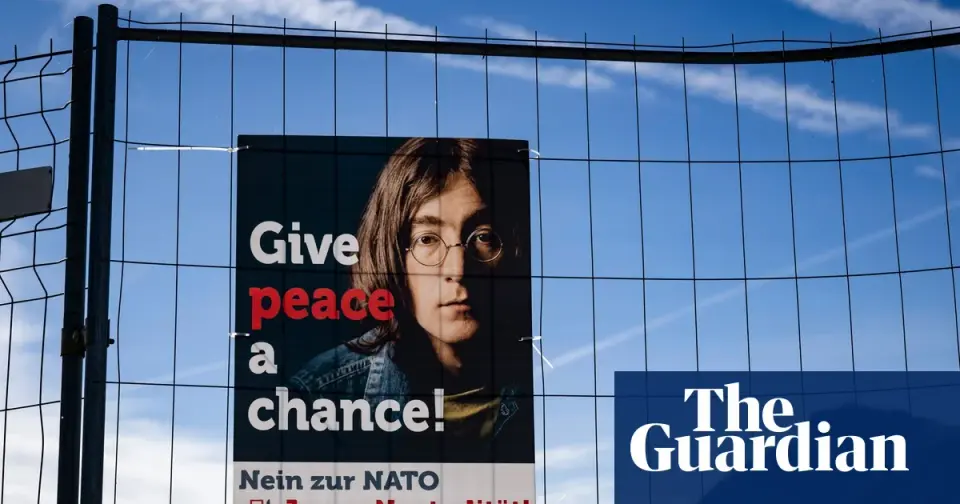
Swiss voters have decisively rejected a proposal to constitutionally enshrine strict neutrality, which would have barred cooperation with NATO and sanctions against Russia. Approximately 70% of voters and all 26 cantons voted 'no', preserving the government's flexible interpretation of neutrality. The defeat is a significant loss for the far-right Swiss People's Party and its billionaire backer, Christoph Blocher, who spent 2 million francs on the campaign. The result ensures Switzerland can continue aligning with EU sanctions and maintaining defense ties with Western allies, a move welcomed by European leaders concerned about EU unity. A separate referendum on easing weapons export rules is scheduled for November.
Key points
- Swiss voters rejected a proposal for 'perpetual and armed neutrality' by a margin of approximately 70.2% to 29.8%, with all 26 cantons voting 'no'.
- The initiative, promoted by the Swiss People's Party (SVP) and billionaire Christoph Blocher, would have barred Switzerland from joining military alliances and imposing sanctions unless mandated by the UN.
- The defeat preserves Switzerland's current 'cooperative neutrality', allowing it to mirror EU sanctions against Russia and maintain 30 years of cooperation with NATO.
- The 'no' camp, supported by the government and most political parties, argued that strict neutrality would isolate Switzerland and reduce its security in the event of an attack.
- A separate referendum on boosting domestic food production was also rejected by 72.5% of voters, with the farming lobby successfully framing the initiative as a 'vegan diktat'.
Background
Switzerland's neutrality was formally recognized in 1815. The current debate was sparked by Russia's 2022 invasion of Ukraine and Switzerland's subsequent decision to mirror EU sanctions, which critics argued eroded its traditional stance. Our archive from September 27, 2026, noted that polls predicted a 'no' victory, with turnout around 46-47%. The November referendum on arms exports is the next major test of Swiss foreign policy.
How outlets are covering it
The Guardian and SWI swissinfo.ch agree on the decisive defeat of the neutrality initiative. The Guardian emphasizes the relief across Europe and the financial cost to the SVP, while SWI provides more detail on the simultaneous food security referendum and the arguments of both sides. Both outlets note that the 'yes' campaign struggled to shed perceptions of acting in Russian interests, with the Kremlin praising the initiative. SWI highlights that the food security initiative failed due to opposition from the farming lobby and a lack of support from the political left, whereas the Guardian focuses primarily on the neutrality vote and its implications for international security.
Why it matters
The result confirms that Swiss voters support a flexible interpretation of neutrality that allows for cooperation with Western allies and participation in international sanctions. This outcome strengthens EU unity on sanctions against Russia and ensures Switzerland remains a reliable partner in international security policy. It also signals that the Swiss public is willing to adapt its neutrality to geopolitical upheavals, rather than adhering to a rigid, isolationist stance. The defeat of the food security initiative indicates that the Swiss farming lobby remains a powerful force in domestic politics, capable of blocking ambitious policy changes.
What to watch
Swiss voters will face a referendum in November on a proposed easing of the country's weapons export rules. The debate over the limits of Swiss neutrality is expected to continue, with questions about the country's place in a rearming Europe and the extent of its cooperation with NATO. The Swiss government will continue to maintain its current policy of 'cooperative neutrality', allowing for flexible responses to geopolitical changes.
- Swiss voters reject stricter neutrality rules that would have curbed Nato cooperation The Guardian
- Swiss voters reject tighter neutrality rules that would have curbed NATO cooperation reuters.com
- Switzerland’s love of referendums keeps the far right at bay | Joseph de Weck The Guardian
- Switzerland rejects stricter interpretation of its neutrality BBC
- Swiss neutrality and food security initiatives suffer hefty defeat SWI swissinfo.ch
Want the full story? Read the original reporting
Read on The Guardian