
UK-EU Reset Deal to Ease Trade Barriers from 2028
Prime Minister Andy Burnham and EU leaders agreed to a 'reset' deal that will remove most checks on food and agricultural goods between the UK and EU from March 2028. The agreement includes a youth mobility scheme for 100,000 young people from each side and aligns carbon emissions trading systems. While the UK government projects a £17bn economic boost, critics argue it undermines sovereignty, and Channel Islands leaders express cautious optimism about reduced trade friction.
Key points
- The deal, agreed in Brussels on November 20, 2026, aims to simplify trade for food, fish, and agricultural goods, ending most checks from March 2028.
- A youth experience program will allow 100,000 young Europeans and 100,000 young British people to work, travel, or study in each other's jurisdictions for up to three years.
- The UK government estimates the deal will add 0.5% to the economy, equivalent to £17bn annually, describing it as the 'single biggest growth measure' for the current parliament.
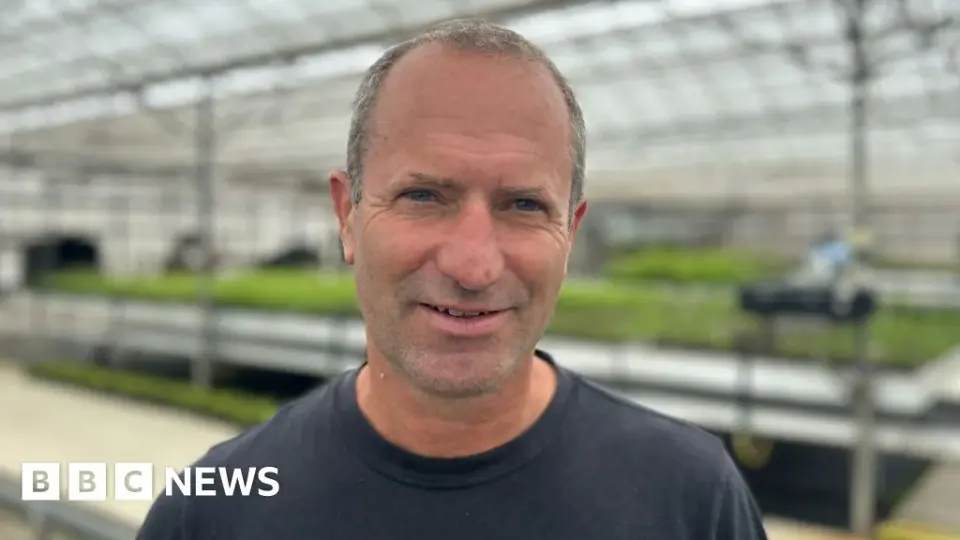
- Channel Islands leaders, who were not part of the EU, welcome the deal for easing 'onerous' trade processes, particularly for plant and shellfish exports, though some fear local fishing infrastructure may decline before 2028.
- Tuition fees for EU students in the UK remain unresolved, with both sides agreeing to reach a decision within six months, though core trade measures will proceed regardless.
Background
The UK voted to leave the EU in 2016, leading to the 2020 trade and co-operation agreement. The Channel Islands, as Crown Dependencies, adopted this agreement in late 2020. Previous Labour PM Keir Starmer initiated diplomatic work for this reset, but Burnham has accelerated the process, declaring Brexit 'has not worked.'
How outlets are covering it
The New York Times highlights the deal as a pragmatic response to global trade shifts and Trump's tariffs, noting it falls short of reversing Brexit. The Guardian portrays the agreement as a 'joyful' reset, contrasting Burnham's enthusiasm with Nigel Farage's bitter opposition. NBC News frames the deal as a response to economic pain and Russian threats. BBC focuses on the Channel Islands' perspective, noting cautious optimism but concerns about immediate fishing industry challenges. All sources agree the deal is significant but not a full reintegration.
Why it matters
The deal could significantly reduce trade friction and boost the UK economy, potentially influencing future EU-UK relations. It also addresses youth mobility and emissions, impacting cross-border cooperation. For the Channel Islands, it may restore competitive advantages in trade, though implementation challenges remain.
What to watch
The UK government will address Parliament on the deal's economic benefits. Both sides will negotiate tuition fees within six months. Implementation of trade and mobility measures is scheduled for March 2028. Burnham has signaled informal discussions on closer future ties, but no referendum on rejoining the EU is planned before the 2029 general election.
- EU deal will 'give back some rights' lost to Brexit BBC
- UK government set to publish new treaties agreed with EU BBC
- Britain Announces Brexit Reset Deal at E.U. Summit: What to Know The New York Times
- Andy, António and Ursula: the joyful Euro throuple break Nigel’s bitter heart The Guardian
- Facing economic pain and Russia threats, U.K.’s Burnham looks to rewrite Brexit with new deal NBC News
Want the full story? Read the original reporting
Read on BBC