
Turkish researchers recover charred wood from Durupınar site, but carbon dating remains pending
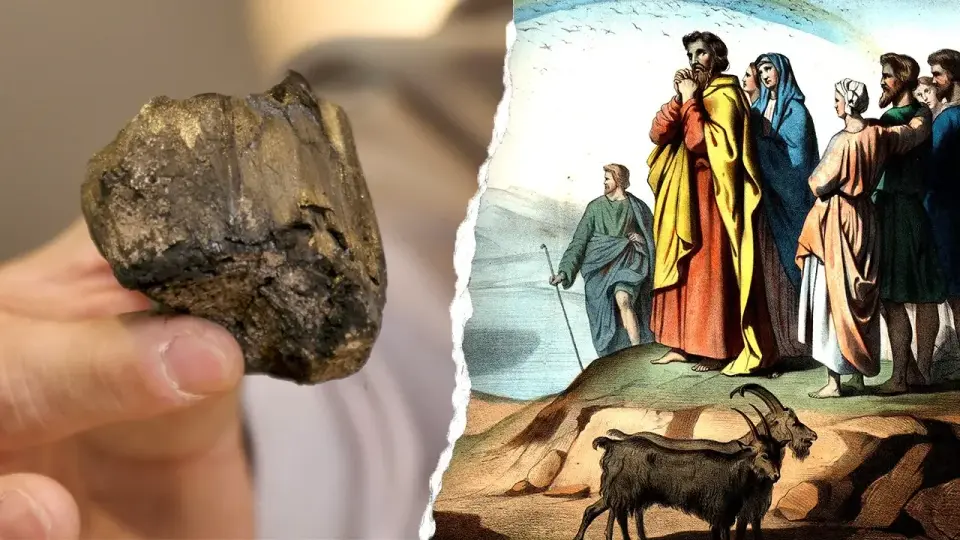
A university-backed team in Turkey has recovered charred wood fragments from approximately 30 feet beneath the Durupınar Formation, a boat-shaped structure near Mount Ararat long debated as the resting place of Noah’s Ark. While radar scans suggest organized chambers and a three-level structure, experts emphasize that laboratory tests for age and species are still underway, and the fragments have not yet been independently linked to the biblical vessel.
Key points
- Researchers led by Prof. Cenker Atila of Sivas Cumhuriyet University recovered charred wood fragments from roughly 30 feet (9 meters) deep during a 2026 field season.
- The samples have been sent to laboratories in four countries for carbon-14 dating and species identification, with results expected in the coming months.
- Ground-penetrating radar scans by Dr. Khosrow Bakhtar detected organized patterns, potential corridors, and a three-level structure, which the team argues aligns with biblical descriptions.
- Critics and skeptics note that natural geological processes can create similar radar anomalies, and that the wood could originate from a later shepherd’s fire rather than an ancient vessel.
- The project, which collected over 300 soil samples, is the first to conduct research at the site with official Turkish oversight and documented chain-of-custody procedures.
Background
The Durupınar Formation, identified in 1959, has been a focal point for debates regarding the biblical Ark for decades. Previous geological studies, including a 1996 paper by Lorence Collins and David Fasold, argued the structure was a natural rock formation. Recent drilling in 2026 found no bedrock, only soil and boulders, challenging earlier geological assessments. This latest development follows a series of radar surveys and soil sampling efforts that have intensified public and scientific interest in the site.
How outlets are covering it
Proponents, including Lauren Witzke of Noah’s Ark Scans and Prof. Atila, describe the charred wood and radar findings as potentially 'world-shaking' evidence that the site is not merely geological. They highlight the three-level structure and the absence of bedrock as key indicators. Conversely, skeptics like Ken Ham of Answers in Genesis and geologists who previously studied the site caution that the wood could be from a later fire and that radar anomalies can result from natural layering. Andrew Jones, founder of Noah’s Ark Scans, acknowledged the possibility that the fragments could be from a shepherd’s campfire, emphasizing that carbon-14 results are essential before drawing conclusions. Baptist Press noted that while the findings are exciting, rigorous peer review is required to establish credibility.
Why it matters
The outcome of the pending laboratory tests could significantly impact archaeological and theological discussions regarding the historicity of the Genesis account. If the wood is confirmed to be ancient and linked to the formation, it would challenge decades of geological consensus. Even if the site is not the Ark, the research provides valuable data on the region’s geological history and human activity. The project’s use of official oversight and international laboratory testing aims to address long-standing criticisms of methodological rigor.
What to watch
Researchers are awaiting carbon-14 dating and species identification results from laboratories in Turkey, France, and other countries. Prof. Atila plans to apply for additional excavation permits once these results are available, with a potential excavation season scheduled for 2027. The team intends to share findings publicly through their website as the analysis progresses.
- Noah's Ark site yields first look at charred wood fragments recovered deep below soil Fox News
- Carbonized Wood Found at 9-Meter Depth in Noah’s Ark Research Arkeonews
- Noah’s Ark Hunters Reveal Video From Inside ‘the Hull’ Newsweek
- Noah's Ark 'evidence' may have been found where biblical vessel came to rest Metro.co.uk
- Optimism, caution accompany news over location of Noah’s Ark Baptist Press
Want the full story? Read the original reporting
Read on Fox News