
New Zealand's Kakapo Population Hits 325 After Record Breeding Season
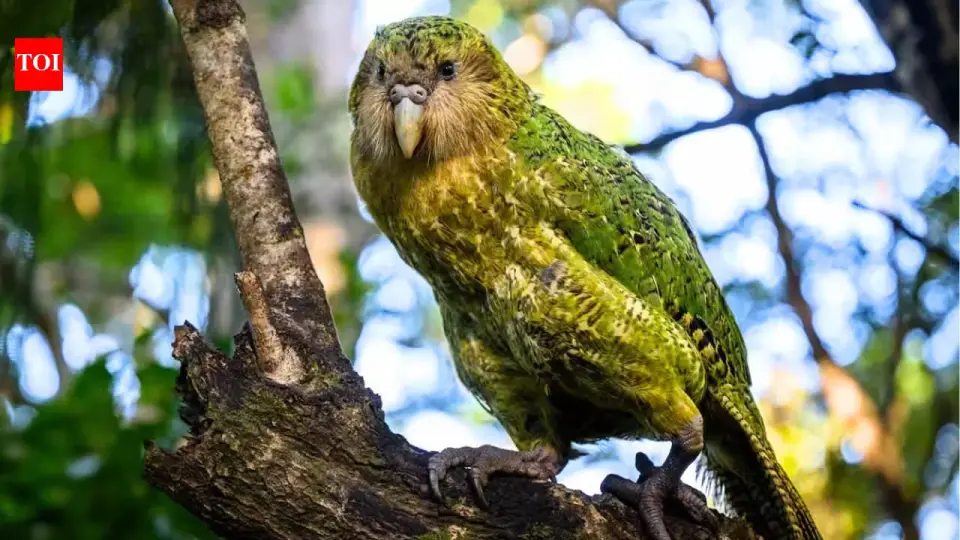
New Zealand's critically endangered kakapo, the world's heaviest parrot, has reached a population of 325 birds, a record high for the modern recovery era. This milestone, achieved after 90 chicks were added on September 1, 2026, marks the first time the species has exceeded 300 individuals in approximately 75 years. The surge follows a four-year gap between breeding seasons, driven by abundant rimu fruiting on predator-free islands. While the population has grown six-fold since the 1995 recovery program began with 51 birds, conservationists are now shifting focus from intensive intervention to fostering natural breeding behaviors to ensure long-term sustainability.
Key points
- The kakapo population reached 325 birds on September 1, 2026, after 90 chicks were officially added to the count.
- This is the highest population recorded since the Kākāpō Recovery Programme began in 1995 with 51 birds.
- The species has crossed the 300-bird threshold for the first time in approximately 75 years.
- The 2026 breeding season was triggered by a bumper crop of rimu berries after a four-year gap.
- Conservationists are trialing reduced human intervention, including fewer nest checks and less supplementary feeding.
- The next breeding season is predicted to occur as early as 2028, potentially shortening the gap between seasons.
Background
The kakapo, a flightless and nocturnal parrot endemic to New Zealand, faced near-extinction due to introduced predators like cats and stoats, as well as habitat loss. By the 1990s, the population had dwindled to just 51 individuals. In 1995, the New Zealand Department of Conservation launched the Kākāpō Recovery Programme, moving survivors to predator-free offshore islands such as Whenua Hou/Codfish Island, Pukenui/Anchor Island, and Te Kāhaku/Chalky Island. The program involves intensive monitoring, genetic management, and predator control. Recent concerns about H5N1 bird flu have also prompted vaccination efforts for endangered native birds, including kakapo, to further protect the species from extinction risks.
How outlets are covering it
The Times of India emphasizes the dramatic numerical turnaround from 51 to 325 birds, highlighting the success of decades of intensive conservation. Stuff focuses on the symbolic milestone of crossing 300 birds for the first time in 75 years and the shift toward reducing human intervention, noting that some chicks will remain unnamed to encourage natural behavior. Indianweekender provides broader species context, noting the kakapo's unique traits like their 5km booming calls and long lifespan, while also citing the record-breaking nature of the 90 chicks compared to the 16 years it took to produce that many in the early program years. GK Today offers detailed breeding statistics, noting that 79 females nested and 258 eggs were laid, with 106 hatching and 90 surviving to 150 days. All sources agree on the significance of the 2026 season but differ in emphasis: TOI and Indianweekender focus on the historical recovery, while Stuff and GK Today highlight the operational shifts and specific breeding metrics.
Why it matters
The kakapo's recovery is a landmark achievement in conservation biology, demonstrating that intensive management can reverse a catastrophic decline for a critically endangered species. However, the species remains vulnerable, and the shift toward reduced intervention is crucial for ensuring the population becomes self-sustaining. The success of this program offers a model for other endangered species, while also highlighting the ongoing challenges of maintaining predator-free habitats and managing genetic diversity. The potential for a shorter gap between breeding seasons, with the next expected in 2028, suggests that the population may be becoming more resilient and capable of natural reproduction without constant human assistance.
What to watch
Conservationists are preparing for the next breeding season, which is predicted to occur as early as 2028. The focus will be on monitoring the birds' ability to breed naturally with reduced human intervention. Efforts will also continue to expand predator-free habitat, with a long-term goal of returning kakapo to Rakiura/Stewart Island, their ancestral home. The success of the 2026 season will inform future management strategies, including the use of remote monitoring and reduced supplementary feeding, to ensure the population remains healthy and sustainable.
- New Zealand’s world’s heaviest parrot was on the brink with only 51 birds left; now after decades of inte The Times of India
- Kākāpō hit milestone not seen for up to 75 years Stuff
- NZ’s world's heaviest endangered parrot makes a remarkable comeback Indianweekender
- New Zealand Kākāpō Population Reaches 325 Birds GK Today
Want the full story? Read the original reporting
Read on The Times of India