
Forensic analysis identifies 14th-century Scottish soldier as likely first casualty of a trebuchet
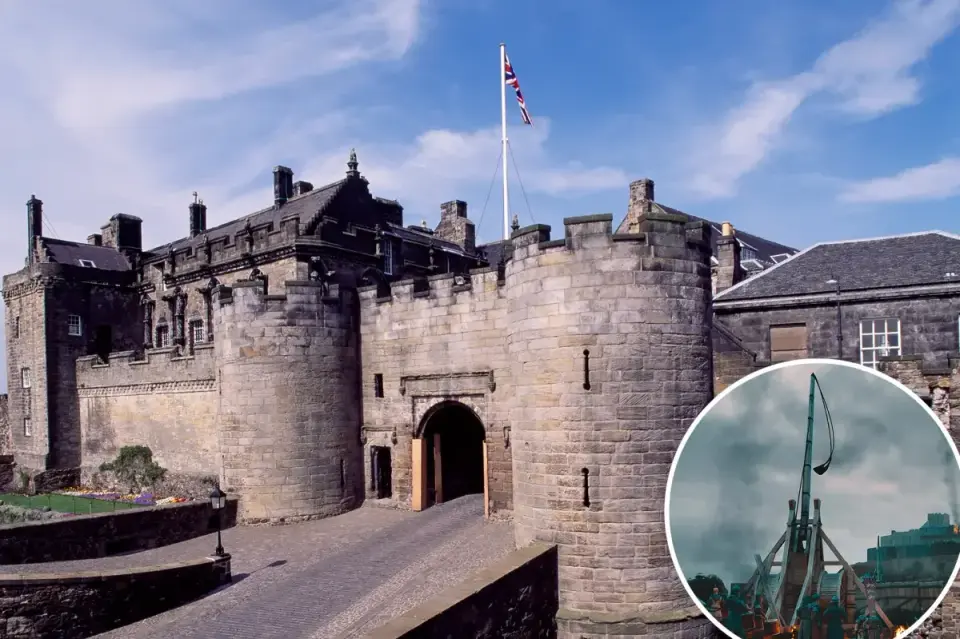
A 14th-century skeleton found in Stirling Castle, Scotland, exhibits 167 fractures consistent with high-velocity impact. Researchers believe this is the first confirmed death caused by a trebuchet, a massive medieval siege engine.
Key points
- Skeleton 150, discovered in 1997, dates to the 1300s and shows 167 fractures, including 61 skull breaks and zigzagging rib fractures.
- Bioarchaeologist Jo Buckberry presented findings at the Paleopathology Association meeting in Berlin, linking the injuries to a trebuchet projectile.
- The injuries resemble modern car crashes or train strikes, indicating the victim was struck from behind at high speed and pinned to the ground.
- The context is the 1304 siege of Stirling Castle by English King Edward I, who used a massive trebuchet nicknamed 'War Wolf.'
- Researchers ruled out other causes like falling from walls or horse trampling based on the specific shape and texture of the fractures.
Background
This discovery relates to the 1304 siege of Stirling Castle, a pivotal moment in the Wars of Scottish Independence. While previous archive entries cover unrelated modern events, this story connects to historical conflicts involving Edward I of England and Scottish resistance. The skeleton was part of a group of eight war casualties found at the site in 1997, but only Skeleton 150 displayed this unique pattern of trauma.
How outlets are covering it
The New York Post and The New York Times both report on the findings by Jo Buckberry, emphasizing the 'first ever' nature of this casualty. The New York Post highlights the 'War Wolf' trebuchet and the 1995 film 'Braveheart' connection, while The New York Times focuses on the forensic comparison to modern vehicle impacts. Popular Mechanics and Yahoo News echo the core claim but provide less detail on the specific fracture patterns. All sources agree that the injuries are distinct from other war wounds found at the site, such as stab marks or blunt instrument impacts, which were present in the other seven skeletons.
Why it matters
This finding provides the first physical evidence of a death caused by a trebuchet, a weapon feared for its power but rarely documented through forensic remains. It offers a new perspective on the lethality of medieval siege warfare and the specific dangers faced by defenders during the 1304 siege of Stirling Castle.
What to watch
Researchers will continue to analyze the skeleton to confirm if the specific weapon was the 'War Wolf' or a similar trebuchet. Further studies may explore the broader impact of siege engines on medieval populations and refine historical understanding of Edward I's military campaigns in Scotland.
- ‘Pinned to the ground’: Badly-fractured 700-year-old skeleton could be first ever casualty of giant medieval catapult New York Post
- A 14th-Century Skeleton Had Injuries That Looked Like a Car Crash. What Killed Him? The New York Times
- Skeleton with 167 fractures discovered at Scottish castle may have been first victim of Edward I's 'War Wolf' trebuchet Yahoo
- This 700-Year-Old Skeleton May Be the First Man in History Smashed by a Giant Catapult Popular Mechanics
- News - Medieval Scottish Man May Be First Confirmed Case of Death by Trebuchet Archaeology Magazine
Want the full story? Read the original reporting
Read on New York Post