Tag

Forensic Anthropology

All articles tagged with #forensic anthropology

Virtual Face Reveals Identity of Headless Roman-Era Man Buried in Scotland
archaeology24 days ago

Virtual Face Reveals Identity of Headless Roman-Era Man Buried in Scotland

Researchers at National Museums Scotland and forensic anthropologist Christopher Rynn have digitally reconstructed the face of a man buried without his head near the Roman fort at Inveresk, Scotland, approximately 2,000 years ago. Isotopic analysis indicates the man likely grew up in southern Britain, while skeletal evidence suggests he suffered from a severe right-arm injury that prevented him from wielding a sword, implying he held a non-combat role within the Roman army. The burial, dated between A.D. 142 and 165, appears to have been dignified rather than punitive, suggesting post-mortem decapitation may have been a specific cultural ritual for some southern Britons. The reconstruction, which depicts the man with dark hair and eyes and no beard, will be displayed alongside the original remains in a new exhibition at the museum starting November 14, 2026.


Archaeologists Identify First Physical Evidence of Punitive Nose Amputation in 14th-Century China
history2 months ago

Archaeologists Identify First Physical Evidence of Punitive Nose Amputation in 14th-Century China

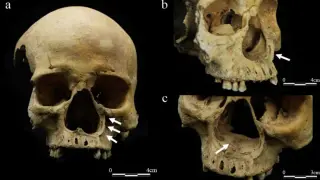
A 14th-century female skeleton from Henan, China, provides the first archaeological evidence of punitive nasal amputation. The woman, who lived between 1298 and 1404, survived the procedure for several years, as indicated by healed bone fractures. Her face-down burial suggests social ostracism, likely resulting from crimes such as theft or adultery under the historical 'Five Punishments' system.

First Skeletal Evidence of Ancient China’s Nasal Amputation Punishment Found in Henan
science2 months ago

First Skeletal Evidence of Ancient China’s Nasal Amputation Punishment Found in Henan

A 700-year-old female skeleton from Henan, China, provides the first physical evidence of punitive nasal amputation in ancient China. The woman, who lived between 1298 and 1404 CE, survived the procedure for years, suggesting she received medical care. Her face-down burial and social isolation indicate the punishment carried severe social stigma.

Skeleton 150: Medieval Man’s 160+ Fractures Point to First Trebuchet Death
science-and-history3 months ago

Skeleton 150: Medieval Man’s 160+ Fractures Point to First Trebuchet Death

A skeleton found at Stirling Castle in 1997 may be the first confirmed victim of a trebuchet. Bioarchaeologist Jo Buckberry presented findings at the Paleopathology Association meeting in Berlin, noting the man suffered over 160 fractures consistent with high-velocity blunt force trauma. The injuries, concentrated on the skull and ribs, align with the 1304 English siege of the castle by Edward I, who deployed massive siege engines like the 'War Wolf.'

Argentina identifies 12 desaparecidos at La Perla, reopening a national wound
world8 months ago

Argentina identifies 12 desaparecidos at La Perla, reopening a national wound

At La Perla in Córdoba, investigators identified the remains of 12 victims—including Mario Nívoli—disappeared during the 1970s dictatorship, with genetics linking fragmentary bones to relatives; the findings renew Argentina’s painful memories of state terror, spark debate over memory and archives under President Milei, and suggest more identifications may come as searches continue.

"Military Labs Uncover Identities of WWII Soldiers Decades Later"
militaryscience2 years ago

"Military Labs Uncover Identities of WWII Soldiers Decades Later"

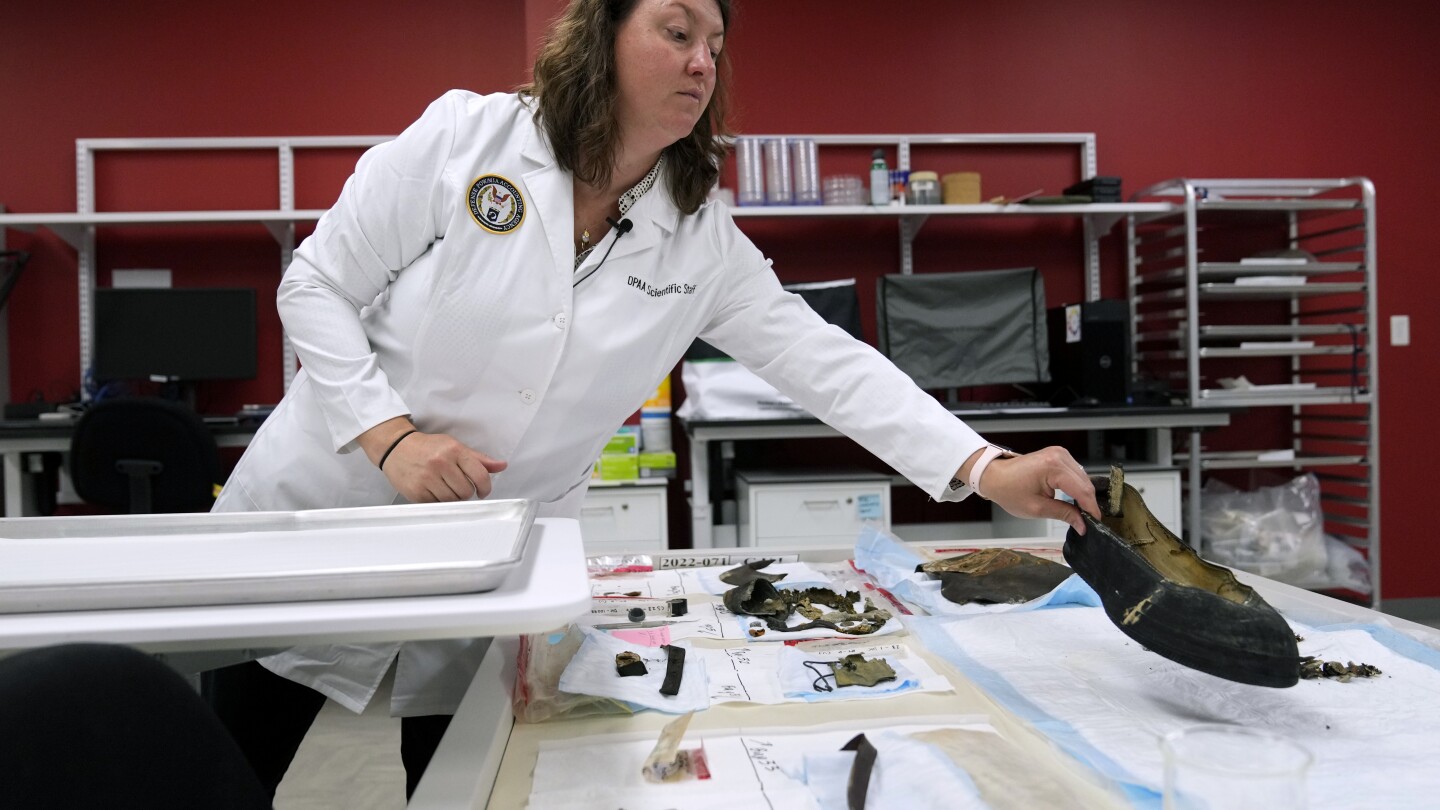
Federal labs at Offutt Air Force Base and in Hawaii are using advanced DNA technology and forensic techniques to identify and return the remains of soldiers who died in World War II and other conflicts. These efforts aim to provide closure to families and honor the sacrifices of the fallen, with a goal of identifying 200 service members annually.

"Unearthing the Tragic Legacy: Identifying Stalin's Mass Grave Victims in Georgia"
history-politics2 years ago

"Unearthing the Tragic Legacy: Identifying Stalin's Mass Grave Victims in Georgia"

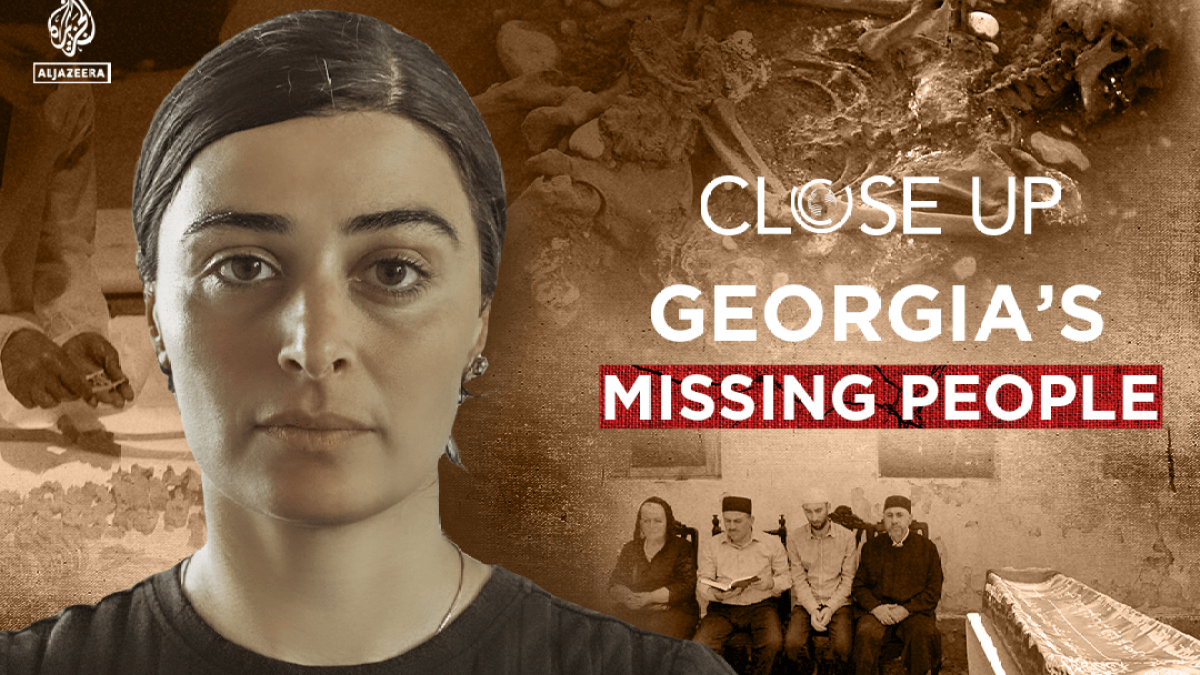
Georgians are working to uncover the truth about Stalin's mass executions during the Great Terror, with efforts to investigate and locate victims gaining momentum. Forensic experts and historians are identifying and analyzing skeletal remains from mass graves, aiming to bring closure to families of the victims. However, challenges such as limited resources and reluctance from the government hinder the progress in identifying and addressing the atrocities committed during the Soviet era.

Breakthrough in Identifying Tulsa Massacre Victims with DNA Sequencing
history3 years ago

Breakthrough in Identifying Tulsa Massacre Victims with DNA Sequencing

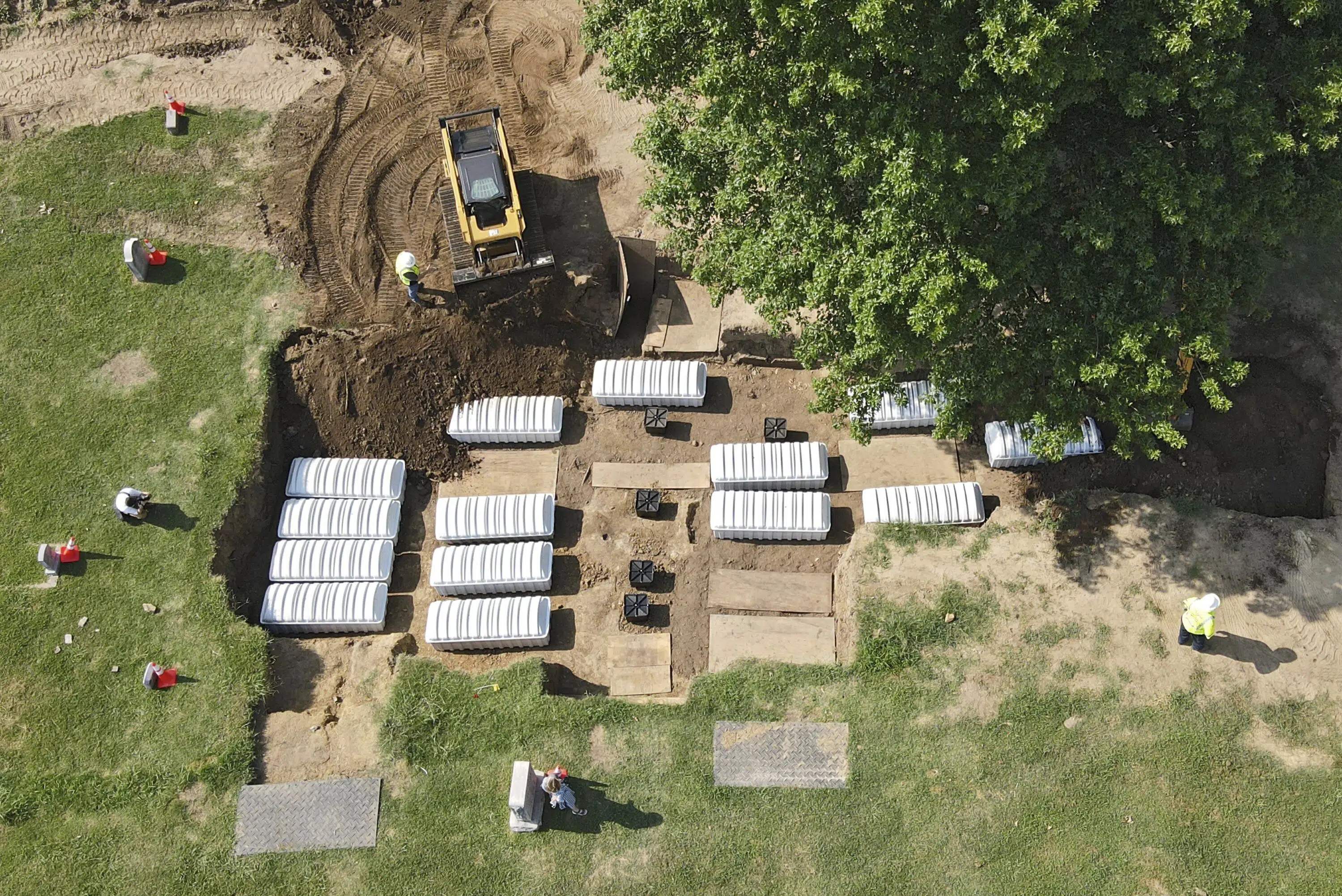
Investigators have discovered 19 surnames that may be connected to remains excavated from a Tulsa cemetery, bringing them closer to identifying victims of the 1921 Tulsa Race Massacre. Although the six bodies associated with the names are not confirmed massacre victims, identifying them would provide a possible roadmap to the most likely areas of the cemetery to search for victims. Most historians estimate the death toll to be between 75 and 300, and many of the victims were buried in unmarked graves, their locations never recorded.