
Leopardus tilcayo: The first new wild cat species in a century
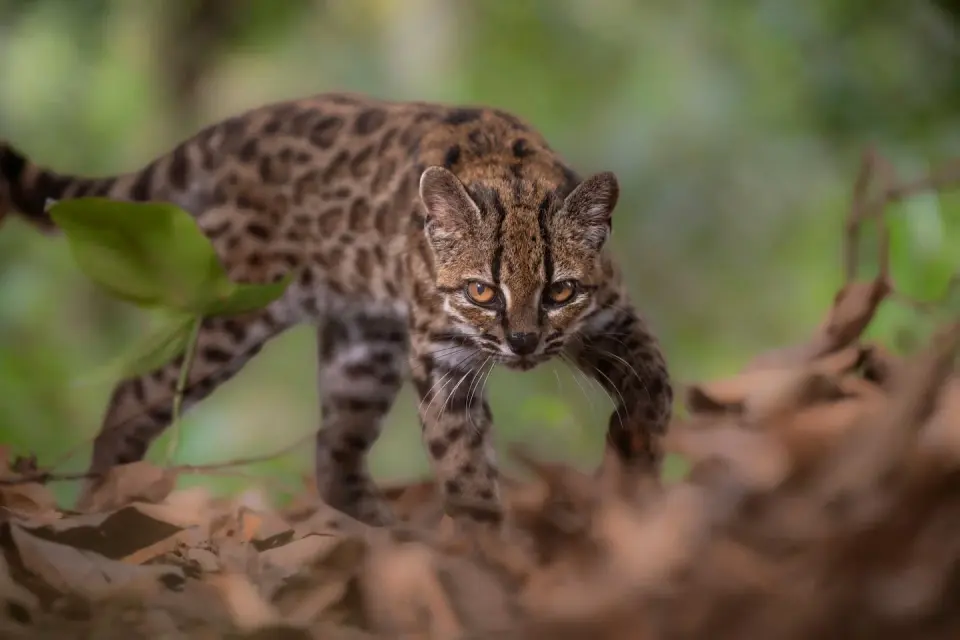
Scientists have officially described a new wild cat species, Leopardus tilcayo, found in Bolivia’s cloud forests. This marks the first new feline species identified in over 100 years. The animal, smaller than a house cat, was confirmed through genetic testing after being mistaken for a domestic kitten. Its discovery highlights the urgent need for conservation in the region’s rapidly disappearing habitats.
Key points
- Leopardus tilcayo is the first new wild cat species described in over a century, published in the journal Current Biology on September 17, 2026.
- The cat, named after local indigenous terminology, weighs approximately five pounds and features a slender body with dark rosettes on a light brown coat.
- Biologist Paola Nogales-Ascarrunz identified the species at the Senda Verde Wildlife Sanctuary near La Paz after noticing its distinct physical traits differed from known tiger cats.
- Genetic analysis confirmed the species diverged from other tiger cat lineages approximately 1.4 million years ago, distinguishing it from the Leopardus tigrinus.
- The population size remains unknown, and researchers are installing camera traps in the Yungas region to assess conservation needs and habitat loss.
Background
Recent years have seen several notable species discoveries, including a new US mosquito species in 2026 and a critically endangered flower in Thailand. However, the identification of a new mammal of this size is exceptionally rare, as most new species are small invertebrates or plants. This discovery follows a trend of finding new species in previously under-studied regions, emphasizing the gaps in global biodiversity knowledge.
How outlets are covering it
The Washington Post and NBC News both highlight the rarity of the discovery, noting it is the first new cat species in over 100 years. National Geographic emphasizes the potential for further discoveries, suggesting this may be the beginning of a wave of new small cat species. NBC News provides additional detail on the cat’s initial misidentification as a domestic kitten by a local resident, while The Washington Post focuses on the genetic confirmation process. All sources agree on the conservation urgency due to habitat loss in the Bolivian Yungas region.
Why it matters
The discovery of Leopardus tilcayo underscores the incomplete nature of global biodiversity knowledge and the critical need for conservation in South America’s cloud forests. As habitats vanish due to development and agriculture, identifying new species is essential for implementing effective protection strategies. The unknown population size of this new cat highlights the risks of habitat loss for potentially vulnerable wildlife, making immediate scientific study and preservation efforts crucial for preventing extinction.
What to watch
Researchers, led by Paola Nogales-Ascarrunz, are installing camera traps in the Yungas forest to locate more individuals and estimate the population size. This data is critical for determining the species' conservation status and guiding protection efforts. Additionally, scientists aim to preserve local indigenous knowledge regarding the cat, ensuring that traditional names and observations are integrated into future research and conservation strategies.
- New cat species discovered in Bolivia for first time in over 100 years washingtonpost.com
- Meet the First New Cat Species Discovered in 100 Years National Geographic
- Leopardus tilcayo: Tiny cat discovered in Bolivia said to be 1st new feline species in over 100 years ABC7 Bay Area
- Scientists Discovered A New Cat Before Rockstar Could Finish GTA 6 Yahoo
- New wild cat species is identified for first time in 100 years, researchers say NBC News
Want the full story? Read the original reporting
Read on washingtonpost.com