
Ancient Indonesian Teeth Reveal 25,000-Year-Old Betel Nut Habit
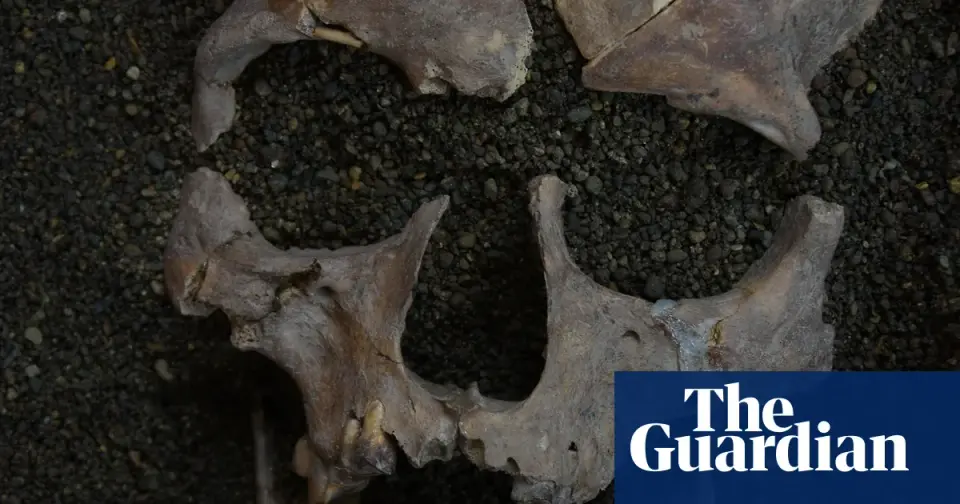
Researchers have identified what may be the earliest evidence of human drug use, tracing the consumption of betel nuts to Indonesian foragers up to 25,000 years ago. Analysis of two rare skeletons from Sulawesi revealed severe dental wear and traces of arecoline, a psychoactive compound. This finding pushes the timeline of psychoactive substance use back by over 13,000 years, challenging the theory that drug use began with the rise of agriculture and fermented drinks.
Key points
- Two pre-agricultural forager skeletons from Sulawesi, Indonesia, dated between 16,000-25,000 years and 7,000-6,300 years ago, show deep, rounded grooves in their teeth.
- The dental wear patterns are attributed to the habitual sucking of whole betel nuts, which are the seeds of the Areca catechu palm.
- Laboratory tests confirmed that sucking on unprocessed betel nuts releases enough arecoline to alter brain function, even without the slaked lime used in modern preparations.
- Traces of arecoline were found in the dental tissue of the ancient individuals, supporting the hypothesis of long-term use.
- The practice may have created a cycle where the nuts were used to treat toothache, but the abrasive action worsened dental health over time.
Background
Previous research suggested that human psychoactive use began around 13,000 years ago with the advent of farming and fermented drinks like beer. Recent archival coverage also noted debates regarding ancient cave art in Spain potentially depicting mind-altering plants, but the Sulawesi dental evidence provides direct physical proof of consumption. This new study contrasts with earlier assumptions that drug use was a Neolithic phenomenon, highlighting that forager traditions may have laid the groundwork for modern psychoactive habits.
How outlets are covering it
The Guardian and BBC emphasize the significance of this as the earliest known evidence of drug use, highlighting the shift from agricultural-era theories. The New York Times focuses on the breakthrough nature of the discovery, noting that betel nut is still used by over 600 million people today. Popular Science details the specific experimental methods, such as using cloned human receptors from frog egg cells to test arecoline release, and notes the potential for the habit to have been a self-reinforcing cycle of pain relief and dental damage. All sources agree on the 25,000-year timeline and the link to betel nuts, but differ in their emphasis on the physiological mechanisms versus the historical implications.
Why it matters
This discovery rewrites the history of human interaction with psychoactive substances, suggesting that drug use is far older than previously thought and may have roots in pre-agricultural forager traditions. It provides insight into the origins of modern drug-taking behaviors and highlights the long-standing cultural significance of betel nuts in Asia-Pacific regions.
What to watch
Further research may explore the extent of betel nut use in other pre-agricultural societies and its impact on dental health. Scientists may also investigate whether other psychoactive plants were used in similar ways during this period, potentially uncovering more evidence of ancient drug use.
- Indonesian foragers may have sucked on mind-altering nuts 25,000 years ago, research finds The Guardian
- Drug use may have begun 25,000 years ago, new research finds BBC
- Scientists Discover the Earliest Evidence of Drug Use in Really Old Teeth The New York Times
- Humans experimented with drugs 23,000 years earlier than we thought Popular Science
- Ice Age origins of one of humanity's oldest drug habits discovered Phys.org
Want the full story? Read the original reporting
Read on The Guardian