
Ancient Siberian Hair Tests Reveal 2,800-Year-Old Cannabis Ritual
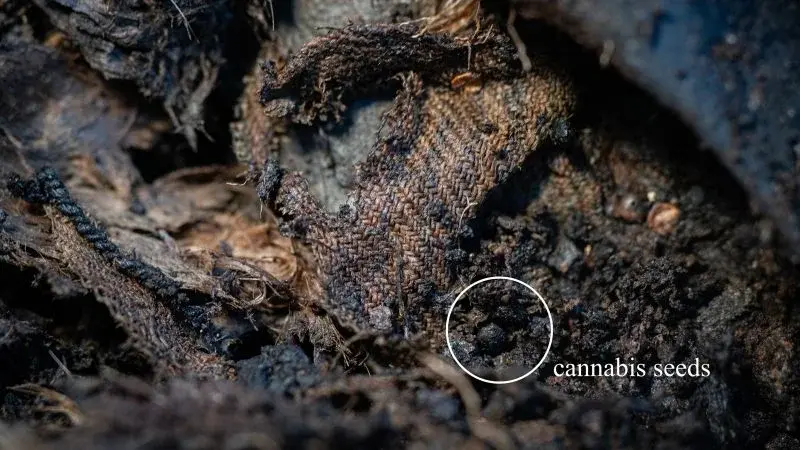
A new study published in Science identifies the earliest direct evidence of psychoactive cannabis use, dating back 2,800 years to a Scythian burial mound in southern Siberia. Researchers analyzed preserved human hair and seeds from the Tunnug 1 site, confirming the presence of THC and cannabinol. This finding pushes the timeline of recreational cannabis use back by 300 years and suggests the plant played a significant role in ancient funerary rituals across the Eurasian steppe.
Key points
- Researchers at the University of Bern and Max Planck Institute identified 1,400+ cannabis seeds and preserved human hair in the Tunnug 1 tomb in the Uyuk Valley, southern Siberia.
- Mass spectrometry analysis of the hair confirmed the presence of THC and cannabinol, providing direct molecular evidence of psychoactive consumption rather than just agricultural cultivation.
- The site dates to the early 8th century BCE, predating previous evidence of psychoactive use by approximately 300 years.
- The discovery suggests cannabis was integrated into elite Scythian funerary rituals, potentially linked to shamanistic beliefs or sedation of sacrificial victims.
- The team is currently sequencing ancient DNA from the seeds to further understand the domestication history of the plant.
Background
Previous archaeological evidence indicated cannabis was cultivated in East Asia for its oil-rich seeds at least 6,000 years ago, but evidence of its use for mind-altering effects was limited to approximately 2,500 years ago, primarily in Central Asian ritual contexts. Recent studies on ancient burial practices, such as the Maya elite scattering ancestral teeth or the lavish Moche toddler tomb, highlight how different ancient cultures utilized specific artifacts and substances to anchor lineage and spiritual legitimacy. This new finding adds a crucial data point to the understanding of transcontinental cultural connections in the ancient world.
How outlets are covering it
CNN and Scientific American emphasize the 'smoking gun' nature of the evidence, highlighting the rarity of finding plant remains combined with human soft tissue. The New York Times frames the discovery through the lens of the Scythians as 'first stoners,' focusing on the cultural implications for early Iron Age communities. Gizmodo provides detailed technical data, noting the specific concentration of cannabinol (560 parts per billion) and the meticulous excavation process involving flotation samples. While all outlets agree on the significance of the finding, they differ in emphasis: CNN and SciAm focus on the scientific breakthrough, NYT on the cultural narrative, and Gizmodo on the methodological rigor and potential implications for understanding East-to-West cultural connections.
Why it matters
This discovery reshapes the historical timeline of cannabis use, providing a concrete 'cultural anchor point' for modern debates on legalization and medical use. It demonstrates that psychoactive plant use was a sophisticated, ritualized practice in ancient Eurasian societies, challenging assumptions about the origins of recreational drug use. Furthermore, the well-preserved DNA from the seeds offers a rare opportunity to rewrite the domestication history of cannabis, potentially revealing how the plant spread from China to Europe.
What to watch
The research team plans to sequence the ancient DNA of the recovered seeds in the coming years, which could provide insights into the genetic lineage of the plant. Continued excavation of the Tunnug 1 site may yield more plant remains and artifacts that further illuminate the cultural and political landscape of the Scythian steppe. The findings may also prompt further investigation into other ancient sites for similar evidence of psychoactive substance use in ritual contexts.
- Earliest evidence of cannabis use found in ancient Siberian tomb CNN
- Were These Ancient Siberian Nomads the First Stoners? The New York Times
- Cannabis was used as an intoxicant as early as 2,800 years ago Phys.org
- Ancient humans were using cannabis far earlier in history than we thought Scientific American
- Siberian Burial Site Reveals First Known Use of Cannabis as Drug Gizmodo
Want the full story? Read the original reporting
Read on CNN