
Leopardus tilcayo: Bolivia's cloud forest yields first new wild cat species in a century
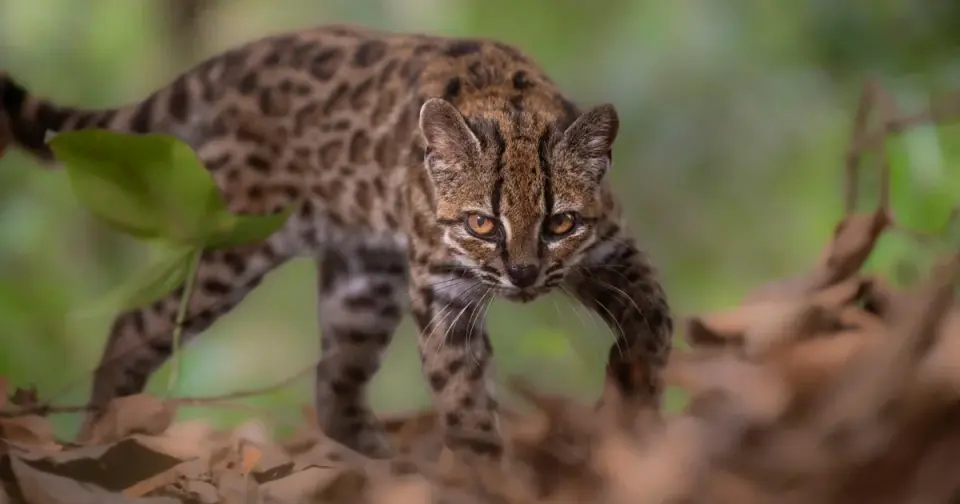
Scientists have identified Leopardus tilcayo, a small spotted wild cat from Bolivia's Yungas region, as a distinct species. This marks the first new cat species described in over 100 years. The discovery, based on genetic analysis of two individuals, highlights significant gaps in global biodiversity knowledge and raises urgent conservation concerns for this vulnerable animal.
Key points
- Leopardus tilcayo, or the Tilcayo tiger cat, was formally described in the journal Current Biology on September 18, 2026.
- The species is the first new wild cat identified since the Uruguayan pampas cat in 1923, a gap of over a century.
- The cat is slightly smaller than a domestic cat, measuring approximately 18 inches, with a spotted coat and rounded ears.
- It was discovered in the Yungas cloud forest near La Paz, Bolivia, where locals had long known it by the name 'Tilcayo.'
- Only two individuals have been confirmed so far: one male in a sanctuary and one female released back into the wild.
- Genetic sequencing shows the species diverged from other tiger cat lineages approximately 1.4 million years ago.
Background
This discovery follows a trend of new species identification in 2026, such as a new mosquito species in the US. However, finding a new mammal of this size is exceptionally rare. Previous archive coverage noted that while many new species are described annually, most are small invertebrates or splits of existing species, making the identification of a completely novel, medium-sized mammal like the tilcayo a significant scientific event.
How outlets are covering it
CBS News and NBC News emphasize the rarity of the discovery, noting it is the first new cat species in 100 years. NBC News highlights that while scientists add about 65 mammal species annually, most are small or result from splitting existing species, whereas the tilcayo was entirely unknown to science. BBC focuses on the conservation implications, noting that tiger cats are often overlooked compared to larger predators like lions. USA Today provides visual context but offers fewer analytical details. All sources agree on the basic facts but differ in emphasis: CBS and NBC focus on the scientific novelty, while BBC stresses the urgency of habitat protection.
Why it matters
The discovery of Leopardus tilcayo underscores that significant biodiversity remains undocumented, even in well-studied regions. It highlights the need for continued genetic research and conservation efforts in South American cloud forests, where habitat loss threatens not only this new species but also other vulnerable tiger cat populations.
What to watch
Researchers are installing camera traps in the Yungas region to locate more individuals and estimate the population size. Conservationists are advocating for the protection of the Yungas cloud forest to prevent the species from becoming critically endangered. Further genetic studies may reveal additional tiger cat species in the region.
- New species of wild cat discovered for first time in more than a century, researcher says CBS News
- New wild cat species is identified for first time in 100 years, researchers say NBC News
- See new cat species Leopardus tilcayo discovered in South America USA Today
- Spotted wildcat from Bolivian forest revealed as new species BBC
- First new feline species in 100 years discovered in Bolivian forest ABC News - Breaking News, Latest News and Videos
Want the full story? Read the original reporting
Read on CBS News