
Bolivia's 'Tilcayo' Cat Redefines Feline Evolution
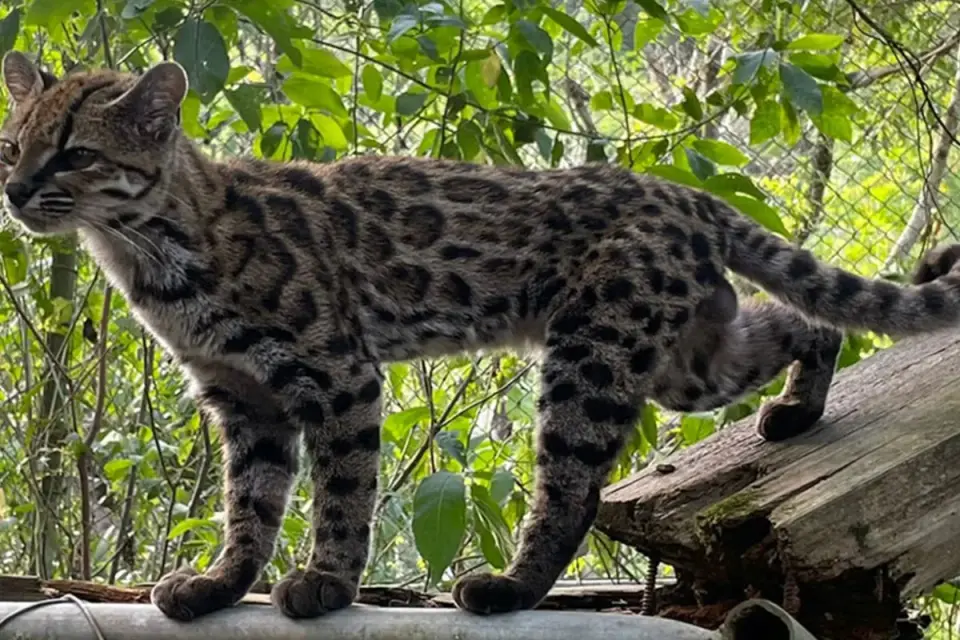
Scientists have identified Leopardus tilcayo as a distinct wild cat species in Bolivia, marking the first new feline discovery in over a century. The small, spotted cat, found in the Yungas cloud forests, diverged from other tiger cats 1.4 million years ago. This finding, published in Current Biology, splits the tiger cat genus into five species, highlighting urgent conservation needs for these cryptic animals.
Key points
- Leopardus tilcayo is the first new living cat species described since 1923, measuring 46 cm and weighing 1.4 kg.
- The species was identified through genomic analysis of 38 individuals, revealing a divergence of 1.4 million years from other tiger cats.
- The discovery splits the previously recognized tiger cat species into five distinct lineages, including a new subspecies in Peru.
- The cat was first encountered in 2017 at a Bolivian sanctuary but confirmed as a new species only after recent genetic testing.
- Conservation status is now urgent, as splitting one species into five reduces individual population sizes and increases vulnerability.
Background
Prior to this discovery, the genus Leopardus was thought to contain fewer species, with many populations misidentified as subspecies or other cats like the margay. Recent genomic advancements have allowed scientists to distinguish cryptic species that were previously indistinguishable by physical appearance alone. This discovery follows a trend of re-evaluating small wild cats across South America, where habitat loss in the Andes threatens many understudied populations.
How outlets are covering it
National Geographic emphasizes the historical significance of the find, noting it is the first new cat species in 100 years and highlighting the role of advanced genomics in revealing hidden diversity. The New York Times focuses on the cat's physical characteristics and the surprise of its discovery, noting it was initially mistaken for a domestic breed. Al Jazeera underscores the ecological mystery surrounding the species, pointing out that little is known about its diet or behavior, while stressing the importance of the new Peruvian subspecies. The Independent highlights the local naming origin, 'tilcayo,' and the cat's small size compared to house cats. All sources agree on the conservation implications, but National Geographic and Al Jazeera place greater weight on the broader implications for other small cat species in Africa and Asia.
Why it matters
This discovery fundamentally alters the understanding of feline evolution and conservation. By splitting one species into five, the perceived population size of each lineage decreases, potentially changing their IUCN status from stable to endangered. It demonstrates that modern genomic tools can reveal biodiversity previously invisible to traditional fieldwork, urging more rigorous genetic surveys in other regions to protect cryptic species before they are lost to habitat destruction.
What to watch
Researchers plan to install camera traps in the Yungas region to estimate the wild population of Leopardus tilcayo. Further genetic studies are expected to confirm whether the margay is also split into multiple species. Conservationists will reassess the IUCN status of the new lineages, potentially leading to urgent protection measures for the Yungas cloud forests.
- A man thought he’d found a stray kitten. It turned out to be a new species of wild cat independent.co.uk
- Meet the First New Cat Species Discovered in 100 Years National Geographic
- Scientists identify first new wild cat species in 100 years OregonLive.com
- New tiger cat species identified in Bolivia, first in over a century Al Jazeera
- New Species of Cat Discovered for First Time in a Century The New York Times
Want the full story? Read the original reporting
Read on independent.co.uk