
Genetic analysis splits gentoo penguin into four species, revealing hidden Antarctic lineage
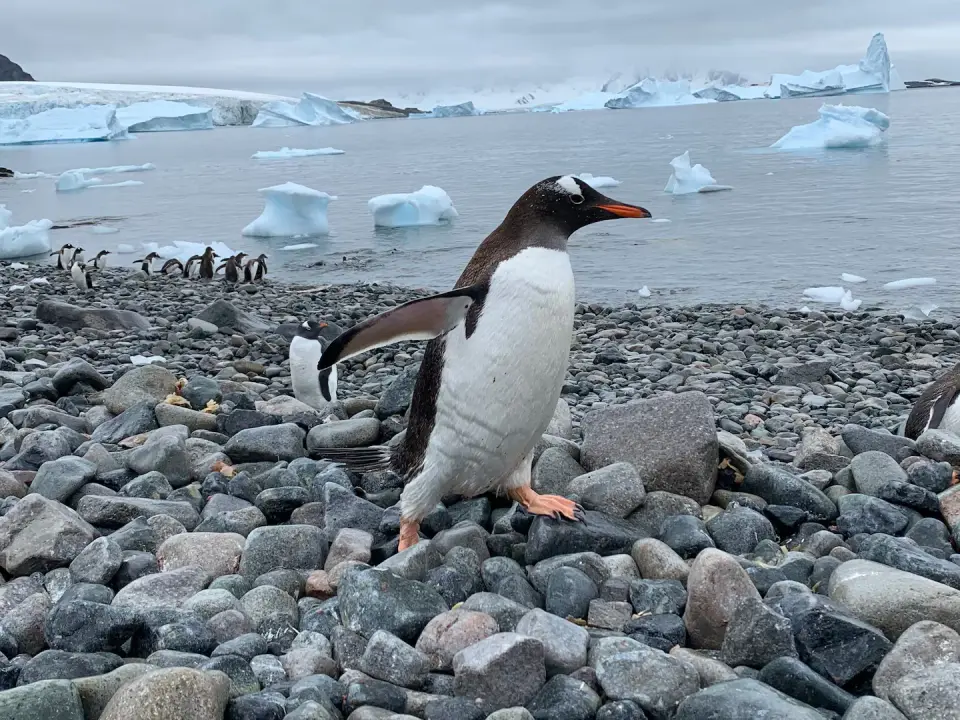
A 22-person international team has reclassified the gentoo penguin into four distinct species, including a previously unknown 'cryptic' species in the Indian Ocean. This is the first new penguin species described in over a century. The findings, published in April 2026, highlight urgent conservation needs for sub-Antarctic populations facing climate change.
Key points
- Researchers identified four distinct evolutionary lineages within the gentoo penguin using whole-genome sequencing of 64 individuals from 10 breeding colonies.
- The newly recognized species, Pygoscelis kerguelensis, resides in the Kerguelen Islands and is genetically distinct despite looking identical to other gentoos.
- Three previously recognized subspecies were elevated to full species status: Eastern, Northern, and Southern gentoos.
- Climate models predict that island-inhabiting sub-Antarctic species may find their current habitats uninhabitable by 2050 due to warming temperatures.
- The study represents a scientific consensus after decades of debate regarding gentoo taxonomy, utilizing data spanning nearly the entire geographical range of the species.
Background
This discovery follows a trend of new species identifications in 2026, including a new wild cat in Bolivia and sea spiders in the Salish Sea. These findings often rely on advanced genomic analysis to distinguish cryptic species that appear morphologically similar. The gentoo penguin's taxonomy has been debated for over a century, with previous classifications treating it as a single widespread species.
How outlets are covering it
The Washington Post emphasizes the historical significance of the discovery, noting it is the first new penguin species in over 100 years and highlighting the collaborative effort across five continents. BBC Wildlife Magazine provides more detail on the specific species names and their habitats, focusing on the conservation implications for sub-Antarctic populations. Both sources agree on the genetic basis of the split but differ in emphasis: The Post focuses on the novelty of the discovery, while BBC Wildlife details the specific adaptations and climate risks for each lineage. Neither source contradicts the other, but BBC Wildlife offers more granular data on the genetic differences and future threats.
Why it matters
The reclassification of gentoo penguins into four species has immediate implications for conservation policy. Three of the four species are sub-Antarctic and face significant threats from climate change, with models predicting their current habitats may become uninhabitable by 2050. Recognizing these as distinct species allows for targeted conservation efforts and highlights the vulnerability of isolated island populations. The study also provides valuable genomic data for research into avian influenza, which is currently affecting penguin populations worldwide.
What to watch
Conservation institutions in countries governing sub-Antarctic islands, including Chile, South Africa, France, the Netherlands, Australia, and New Zealand, are urged to recognize the new species and take appropriate action to protect them. Researchers will continue to monitor the impact of climate change on these populations and utilize the genomic data for further studies on avian influenza and other diseases affecting penguins.
- Scientists identify new species of penguin, first in more than a century The Washington Post
- Scientists Identify New Penguin Species for the First Time in More Than 100 Years People.com
- D-FW zoologists excited by first new penguin species discovery in over a century Dallas News
- Amazing new penguin discovered for first time in over 100 years BBC Wildlife Magazine
- Scientists Just Named a New Penguin Species That Had Been Hiding in Plain Sight for Over a Century Yahoo
Want the full story? Read the original reporting
Read on The Washington Post