
Instagram Selfie Leads to Discovery of Critically Endangered Giant Waterlily in Colombia
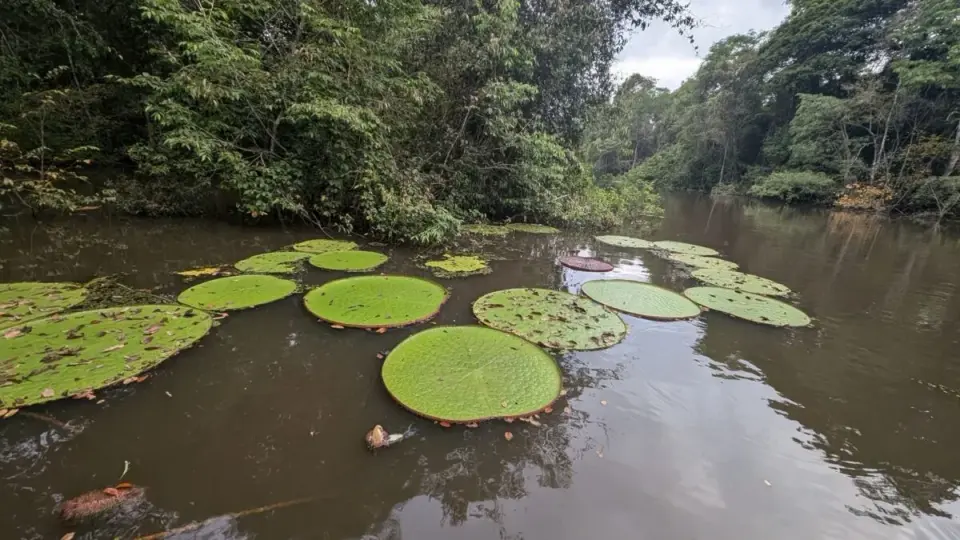
A casual Instagram photo posted by Jeremiah Harris in 2021 led scientists to discover a new species of giant waterlily, Victoria colombiana, in Colombia. The plant, which can grow up to three meters wide, was found in the Inírida region and is now considered critically endangered, with only 30 to 50 individuals remaining in the wild. The discovery highlights the importance of social media and indigenous knowledge in modern botanical research.
Key points
- Jeremiah Harris, a US carnivorous plant nursery owner, posted a selfie with a giant waterlily in Colombia in December 2021, assuming it was Victoria amazonica.
- Carlos Magdalena, a researcher at the Royal Botanic Gardens, Kew, noticed the photo and realized the plant was not Victoria amazonica, as the species does not naturally occur in the Inírida region.
- Magdalena used satellite imagery to confirm the presence of the waterlilies and organized a five-day expedition to the region with local indigenous communities and researchers from Bogotá.
- The team found the plants on the last night of the expedition, with the help of local boatman Gustavo Melo, and collected specimens to confirm the new species.
- The new species, Victoria colombiana, was formally described in a paper published in the journal Phytotaxa, and is now considered critically endangered, with only 30 to 50 individuals remaining in the wild.
Background
Giant waterlilies are among the oldest flowering plants, with some species existing before the continents split apart. In 2022, scientists described Victoria boliviana as a new species, and in 2026, they are preparing to describe Victoria mattogrossensis as a fifth species. The discovery of Victoria colombiana adds to the growing number of known giant waterlily species, highlighting the importance of continued research and conservation efforts.
How outlets are covering it
Gizmodo emphasizes the role of social media and technology in the discovery, noting that the plant was initially spotted in an Instagram post. The Guardian highlights the emotional impact of the discovery on the researchers and the importance of indigenous knowledge in the expedition. New Scientist focuses on the broader context of giant waterlily research, noting that the number of known species has almost doubled in recent years. All three outlets agree on the critical endangerment of the new species and the need for conservation efforts.
Why it matters
The discovery of Victoria colombiana underscores the importance of social media and technology in modern scientific research, as well as the value of indigenous knowledge in conservation efforts. The critically endangered status of the species highlights the urgent need for conservation measures to prevent its extinction. The discovery also adds to the growing number of known giant waterlily species, contributing to our understanding of the evolution and diversity of these ancient plants.
What to watch
The researchers plan to formally submit Victoria colombiana for a critically endangered designation to the International Union for Conservation of Nature. They are also working to establish a population of the plant in lakes closer to indigenous residents and to cultivate seeds in botanical gardens in Bogotá and potentially at the Royal Botanic Gardens, Kew. The team is also preparing to publish a paper describing Victoria mattogrossensis as a fifth species of giant waterlily.
- Someone Posted an Instagram Selfie. Scientists Spotted a Giant New Species in the Background Gizmodo
- Chance Instagram sighting leads to discovery of rare giant water lily in Colombia Phys.org
- An American Tourist Posted an Instagram Selfie in Colombia. It Helped Scientists Discover a Whole New Species People.com
- How a plant selfie in Colombian jungle led to ‘jaw dropping’ giant waterlily find The Guardian
- Number of known species of giant waterlilies almost doubles New Scientist
Want the full story? Read the original reporting
Read on Gizmodo