
Kagan and Soai Win 2026 Chemistry Nobel for Solving the Mystery of Molecular Handedness
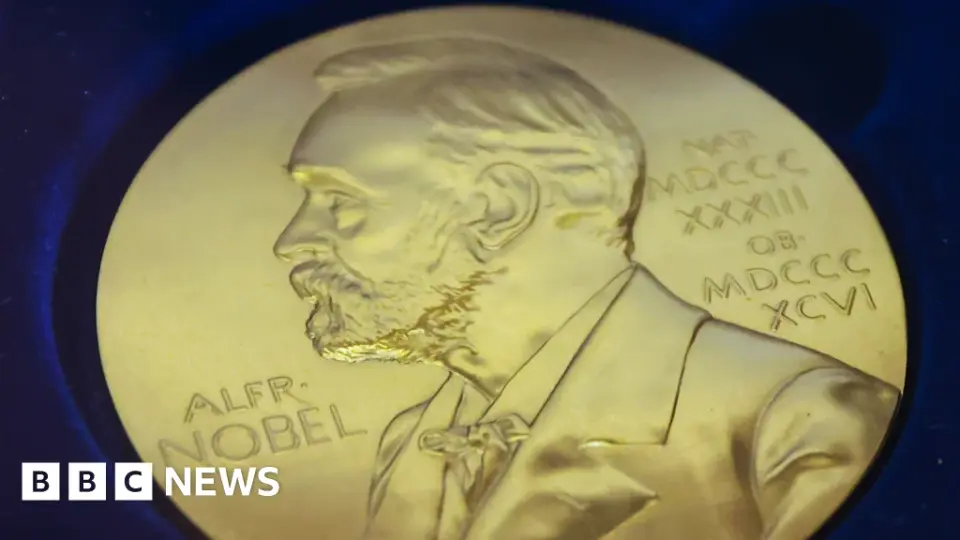
Henri B. Kagan and Kenso Soai have been awarded the 2026 Nobel Prize in Chemistry for their work on homochirality, the phenomenon where life exclusively uses one mirror-image form of molecules. Their research explains how chemical reactions can spontaneously produce a single enantiomer, a feat previously only observed in nature. This breakthrough has significant implications for pharmaceutical safety and understanding the origins of life.
Key points
- The 2026 Nobel Prize in Chemistry was awarded to French scientist Henri B. Kagan and Japanese scientist Kenso Soai.
- The prize recognizes their solution to the century-old mystery of homochirality, where biological systems use only one of two mirror-image molecular forms.
- Kagan’s 1986 work allowed for greater excesses of one mirror image, while Soai’s 1995 and 2003 work achieved the first lab-based production of a single enantiomer.
- The laureates share a prize of 12 million Swedish kronor (approximately $1.25 million).
- The discovery has practical applications in drug development, preventing harmful side effects from unwanted molecular forms, and offers insights into the origins of life.
Background
The 2026 Nobel Prize cycle has seen several major awards, including the Physiology or Medicine prize for optogenetics pioneers and the Physics prize for detecting cosmic particles. The Chemistry prize follows the 2025 award for metal-organic frameworks. This year’s award highlights the fundamental nature of the research, as neither laureate was a strong predictor in previous years, with Kagan having been overlooked for the 2001 prize for asymmetric catalysis.
How outlets are covering it
BBC and CNN both emphasize the fundamental nature of the discovery and its implications for understanding the origins of life. Chemistry World notes that the prize was a surprise, as neither laureate was a strong predictor in previous years, and highlights the long gap between Kagan’s initial discovery and the award. All sources agree on the significance of the work for pharmaceutical development, but Chemistry World also notes the difficulty in relating the fundamental chemistry to everyday life.
Why it matters
The discovery of how to produce a single enantiomer in a lab has significant implications for pharmaceutical safety, as different mirror-image forms of a drug can have different effects on the body. It also provides insights into the origins of life, as it explains how the homochirality of biological molecules may have emerged spontaneously. The work has also provided chemists with fundamental new tools that are widely used in their daily work.
What to watch
The literature and peace prizes will be announced on Thursday and Friday, respectively, followed by the Nobel Memorial Prize in Economic Sciences on October 12. Chemistry World plans to publish a feature-length story on the work and the individuals that won the prize, as well as hosting a free webinar on October 9.
- Nobel Prize in Chemistry awarded to Kagan and Soai BBC
- Nobel Prize in Chemistry Is Awarded to Henri Kagan and Kenso Soai The New York Times
- Two Share Nobel Prize for Untangling Chemical Asymmetry Bloomberg.com
- The Nobel prize in chemistry 2026 as it happens – Live Chemistry World
- Henri Kagan and Kenso Soai awarded the Nobel Prize in chemistry for unraveling mystery of mirror molecules CNN
Want the full story? Read the original reporting
Read on BBC