
Kenyan Elephants Use 35 Plants for Self-Medication, Study Finds
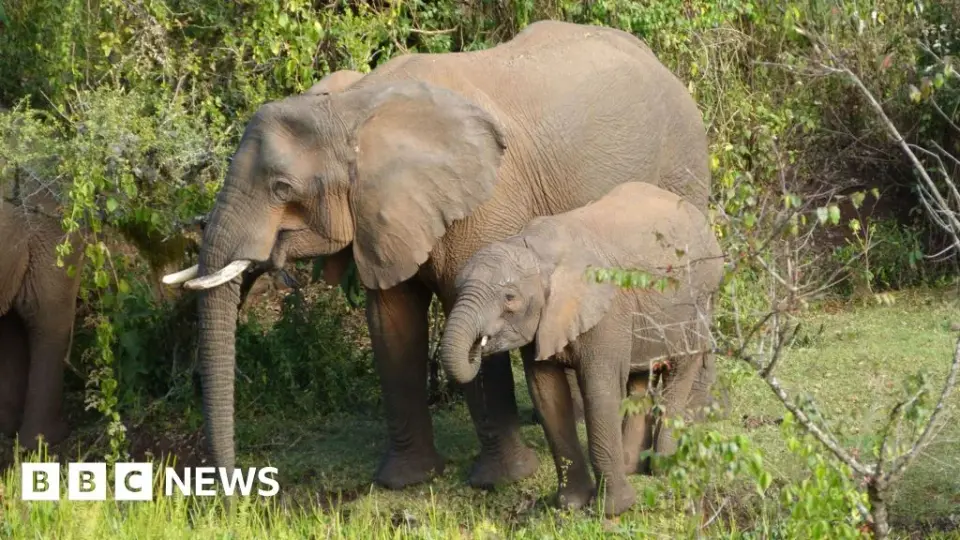
A new study published in Scientific Reports reveals that African elephants in Kenya's Mount Elgon region use at least 35 plant species for medicinal purposes. Researchers, including Dr. Elodie Freymann from Brown University, collaborated with the Mount Elgon Foundation to interview local wildlife scouts and elders. These accounts describe elephants selecting specific plants when unwell and mothers preparing remedies for their calves. The findings suggest that forest habitats act as natural pharmacies, highlighting the importance of preserving biodiversity for potential human medical discoveries.
Key points
- Researchers identified 35 plant species used by elephants, with 25 having known local medicinal uses.
- Local witnesses reported mothers chewing plants like Angurweet and mixing them with milk for sick calves.
- The study emphasizes that destroying forest habitats may eliminate access to natural medicines for both animals and humans.
- Future research will involve cameras and chemical analysis to verify if elephants select plants based on specific health needs.
Background
This finding extends a long history of observing animal self-medication, dating back to Roman accounts of elephants using olive oil for wounds. Recent studies have also documented self-medication in primates, bees, and insects. The current research builds on previous conservation efforts in the Mount Elgon region, where elephants are known for salt-mining behavior, and aligns with broader discussions on the value of traditional ecological knowledge in discovering new pharmaceutical compounds.
Why it matters
The discovery underscores the critical link between biodiversity and human health. As forests are cleared, we may lose access to undiscovered natural compounds that could lead to new medicines. Protecting these habitats is not only essential for wildlife survival but also for the future of pharmacology and public health.
What to watch
Researchers are now equipping local wildlife experts with cameras to record elephant behavior in real-time. They are also analyzing the chemical properties of the plants identified to determine if they possess biological activities relevant to treating specific ailments, aiming to validate the anecdotal evidence provided by local communities.
Want the full story? Read the original reporting
Read on BBC