
Marshall Islands’ Remote Atolls Reveal Rarely Seen Ocean Biodiversity
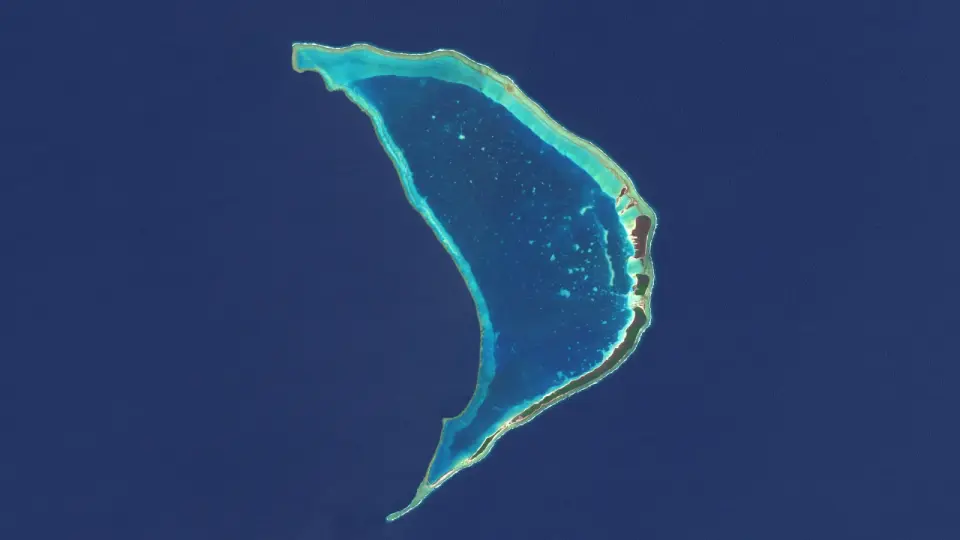
A new study confirms that Bikar and Bokak atolls in the Marshall Islands possess some of the most intact marine ecosystems on Earth, featuring high shark biomass and diverse deep-sea life. Designated as the nation’s first marine sanctuary, these remote sites serve as critical ecological baselines, though they still face threats from global warming and introduced species.
Key points
- Researchers from the University of Hawai’i and Pristine Seas surveyed Bikar and Bokak atolls in 2023, finding 266 reef fish species and 138 deep-water species.
- Sharks accounted for 26.8% to 33.9% of fore-reef biomass, indicating a healthy predator population in these remote locations.
- The atolls were declared the Marshall Islands’ first national marine sanctuary, covering 48,000 square kilometers to protect these biodiversity hotspots.
- Despite their remoteness, the atolls are not immune to global threats, including ocean acidification, coral bleaching, and introduced Polynesian rats.
- The study highlights these atolls as vital reference systems for understanding what healthy tropical marine ecosystems look like before human degradation.
Background
This discovery follows a broader trend of identifying remote marine refugia as critical for conservation in the Anthropocene. While previous archive entries focused on terrestrial or urban wildlife issues, such as the Louisiana kitten rescue or the San Francisco opioid supplement death, this story highlights the fragility of marine environments. The funding freeze affecting biologists mentioned in the October 2026 archive entry underscores the importance of securing protected areas like Bikar and Bokak, which serve as irreplaceable data points for global ocean health.
How outlets are covering it
ScienceAlert and The Washington Post both emphasize the exceptional biodiversity and the role of these atolls as ecological baselines. IFLScience adds detail on the specific species observed, such as brown bobbies and bumphead parrotfish, and notes the logistical challenges of the survey. All sources agree that while the atolls are 'relatively intact,' they are not pristine, citing the presence of introduced rats and the impact of global climate trends. The Washington Post highlights the emotional impact of the findings, while ScienceAlert contrasts the healthy atolls with the devastated Bikini Atoll, a former nuclear test site, to illustrate the contrast between protected and degraded environments.
Why it matters
As human activity degrades most coral reefs, Bikar and Bokak offer a rare glimpse into the natural state of tropical marine ecosystems. Understanding these intact systems is crucial for developing effective conservation and restoration strategies for damaged reefs worldwide. The establishment of a large marine protected area in the Marshall Islands sets a precedent for safeguarding biodiversity hotspots against global environmental pressures.
What to watch
Conservationists will continue to monitor the atolls for signs of ecological decline due to climate change and introduced species. The data collected will inform broader marine conservation policies in the Pacific and potentially other regions. Researchers may also use these atolls as long-term reference sites to track the impacts of global warming on marine biodiversity.
- Scientists Discover Two Remarkably Untouched Worlds Hidden in The Pacific ScienceAlert
- These are some of the most wild places left on the planet The Washington Post
- One Of The Last Ecosystems Virtually Untouched By Humans Is Still Buzzing With Life – For Now IFLScience
- Forereef habitat at Bikar (IMAGE) EurekAlert!
- Some of the "very last wild and healthy ecosystems" found, unblemished by humans Yahoo
Want the full story? Read the original reporting
Read on ScienceAlert