
Radiation-Tolerant Wolves in Chernobyl Reveal Rapid Genetic Shifts Tied to Cancer Resistance
TL;DR
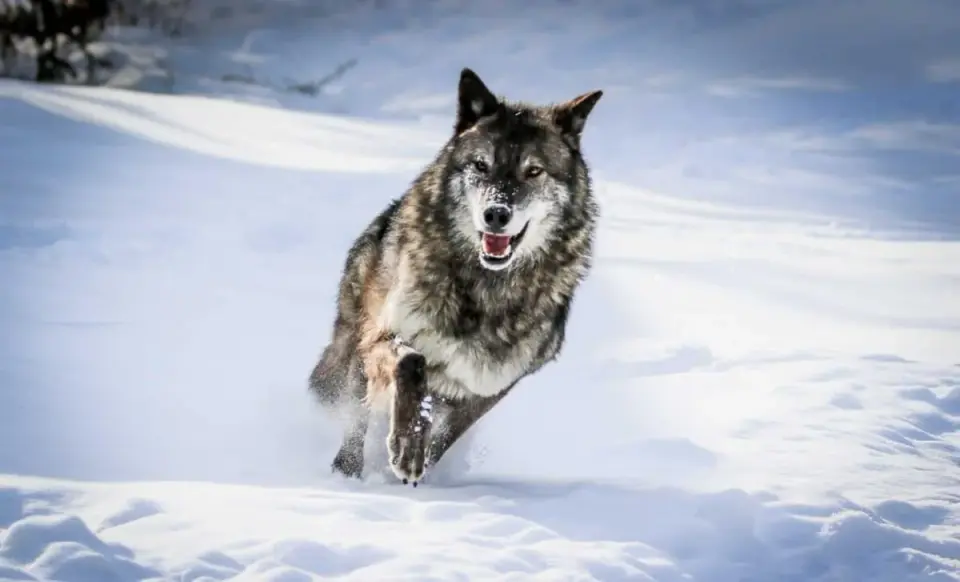
Decades after the Chernobyl disaster, wolves in the exclusion zone are thriving at higher densities than in uncontaminated areas. A Princeton-led study comparing wolves from the zone, lower-radiation Belarus, and Yellowstone finds about 3,180 genes differ in the irradiated wolves, including 23 cancer-related genes more active, suggesting rapid evolution under radiation pressure toward cancer resilience. Density differences may also reflect reduced human hunting, but the genetic signal points to possible cancer-tolerance or tumor-suppression mechanisms, with potential relevance to human cancer research; the work is published in Current Biology and led by Cara Love and Shane Campbell-Staton.
- The Wolves That Survived a Nuclear Disaster Are Evolving Into Something Scientists Have Never Seen Indian Defence Review
- 40 Years Ago, a Nuclear Catastrophe at Chernobyl The New York Times
- Surviving in a poisoned land: Chernobyl's wildlife is different, but not in the ways you might think BBC
- The no-go zone paradox: Chornobyl’s wildlife thrives amid pro-nuclear shift The Guardian
- A Chernobyl Widow’s Tragedy, Forty Years Later The New Yorker
Want the full story? Read the original reporting
Read on Indian Defence Review