
Study ranks Australia top for survival, warns no location is safe
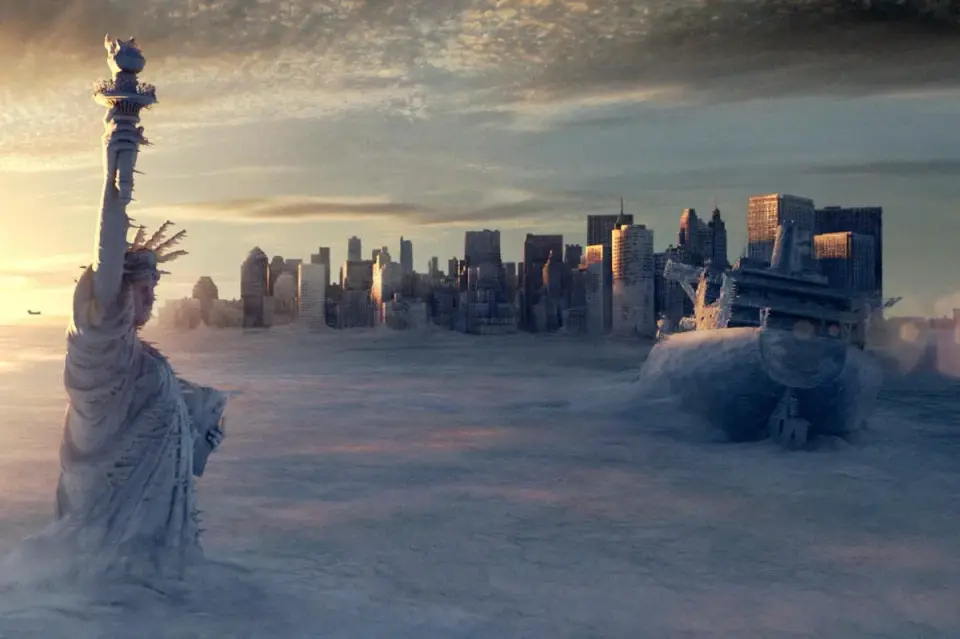
A new study identifies Australia as the most resilient nation for surviving global catastrophes, though researchers warn that no location offers complete safety.
Key points
- A study published in Global Challenges ranks Australia, specifically Tasmania, as the most resilient place to survive events like nuclear war or pandemics.
- The research, led by Florian Jehn of FernUniversität in Hagen, evaluates factors including food security, energy resources, and governance.
- Australia’s high food production, energy minerals, and remoteness are cited as primary advantages for long-term survival.
- Russia is identified as a poor choice due to its status as a nuclear target and issues with governance and inequality.
- The United Kingdom is considered risky because it is a nuclear target and vulnerable to space weather that could disable technology.
- Researchers emphasize that while some locations are better, there is truly no place to hide from a global catastrophe.
Background
This analysis follows earlier discussions on regional resilience, such as WalletHub’s 2026 rankings of retirement locations, which highlighted how infrastructure and cost of living impact quality of life in various U.S. cities. However, the current study focuses on extreme global threats rather than standard quality-of-life metrics.
How outlets are covering it
The New York Post highlights Australia’s advantages but notes flaws such as floods and bushfires, as well as the potential isolation of its remote location. The Times of London, cited by the Post, emphasizes the importance of competent governance. UA.News provides a broader view, noting that while Australia ranks first, its alliance with the United States could increase risks in a nuclear conflict. UA.News also lists Argentina, Brazil, and New Zealand as other resilient options, though they face issues like political instability or volcanic activity. Both sources agree that no country is fully resilient to all types of global catastrophes.
Why it matters
Understanding which regions are most resilient to global catastrophes can inform disaster preparedness strategies and highlight the importance of food security and governance in extreme scenarios.
What to watch
Researchers may continue to refine their models to account for changing geopolitical alliances and climate patterns, while governments may use these insights to improve infrastructure and food security.
- The best, and worst, place to survive an apocalypse revealed – with one grim twist New York Post
- Apocalypse now? Where to hide when the end of the world comes The Times
- Where on Earth is safest from global catastrophe? Yahoo
- Australia is one of the safest places to live if the world collapses Neos Kosmos
- Study names Australia most resilient to global catastrophes ua.news
Want the full story? Read the original reporting
Read on New York Post