
North Korea's 2017 Nuclear Tests Triggered a Decade of Intensifying Earthquakes
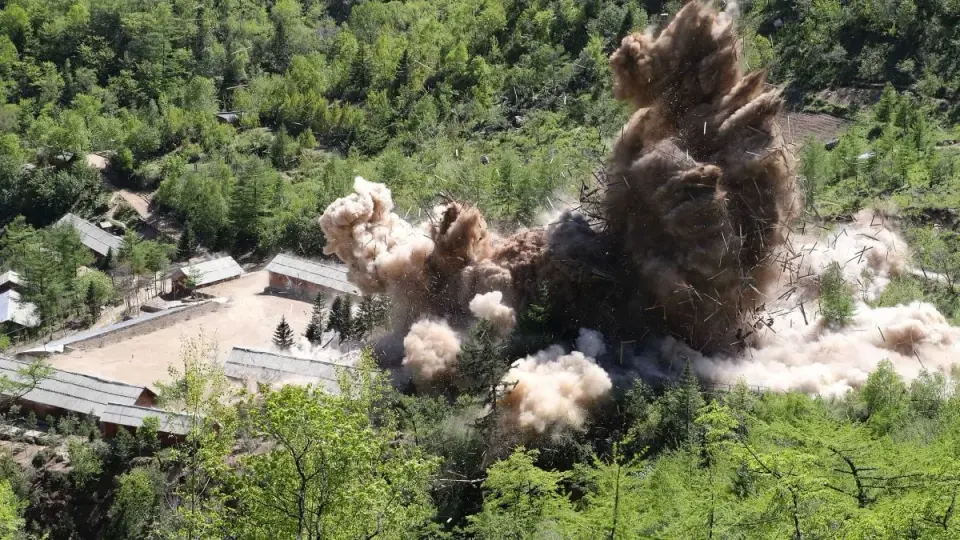
A new study in Science reveals that North Korea's six underground nuclear tests at Punggye-ri, ending in 2017, did not just cause immediate damage but reactivated dormant faults. Researchers detected 1,399 earthquakes in the region between 2008 and 2025, with activity increasing rather than fading after the final blast.
Key points
- Seismologists identified 1,399 earthquakes near Mount Mantap using matched-filter detection on data from 2008 to 2025.
- Unlike typical post-explosion aftershocks, seismic activity intensified over years after the final 2017 test.
- The 2017 test, estimated at 100-250 kilotons, caused a magnitude 6.3 event and a cavity collapse 8.5 minutes later.
- Researchers believe repeated explosions altered the mechanical balance of the crust, triggering pre-existing faults.
- The region had virtually no recorded seismic activity for over 2,000 years prior to the tests.
Background
North Korea has continued expanding its nuclear capabilities, including new uranium enrichment sites and naval deterrents, despite international sanctions. This study highlights the long-term geological consequences of its testing program, which ceased in 2017 but left a lasting impact on the local crust.
How outlets are covering it
ScienceAlert and CNN emphasize the anomaly of the seismic activity increasing over time, contrasting it with the typical rapid decay of aftershocks. CNN notes that while the study did not mention groundwater, external experts suggest water infiltration could explain the delayed response. Gizmodo highlights the implications for the Comprehensive Nuclear-Test-Ban Treaty, noting that sustained seismic activity blurs the line between tectonic and explosion-related events. All sources agree that the findings challenge previous assumptions about the short-lived nature of nuclear test impacts.
Why it matters
The findings suggest that underground nuclear testing can have long-term geological consequences, potentially triggering earthquakes years after the last blast. This complicates the monitoring of nuclear test sites and raises concerns about the stability of the crust in regions with pre-existing faults.
What to watch
Researchers will continue monitoring seismic activity at Punggye-ri and other test sites to understand the long-term effects of nuclear testing. The study may influence future protocols for assessing the geological impact of underground explosions.
- North Korea Stopped Nuclear Testing in 2017 – But Triggered Nearly 1,400 Earthquakes Since ScienceAlert
- Area near North Korean nuclear site has experienced nearly 1,400 quakes cnn.com
- North Korea’s Underground Nuclear Tests Are Reactivating Dormant Earthquake Fault Lines Gizmodo
- North Korea’s nuclear tests have turned this mountain into an earthquake hot spot Yahoo
- North Korea's Punggye-ri Tests Cause Years of Increased Earthquakes 조선일보
Want the full story? Read the original reporting
Read on ScienceAlert