
Siberian Tomb Hair Tests Push Cannabis Use Back 300 Years
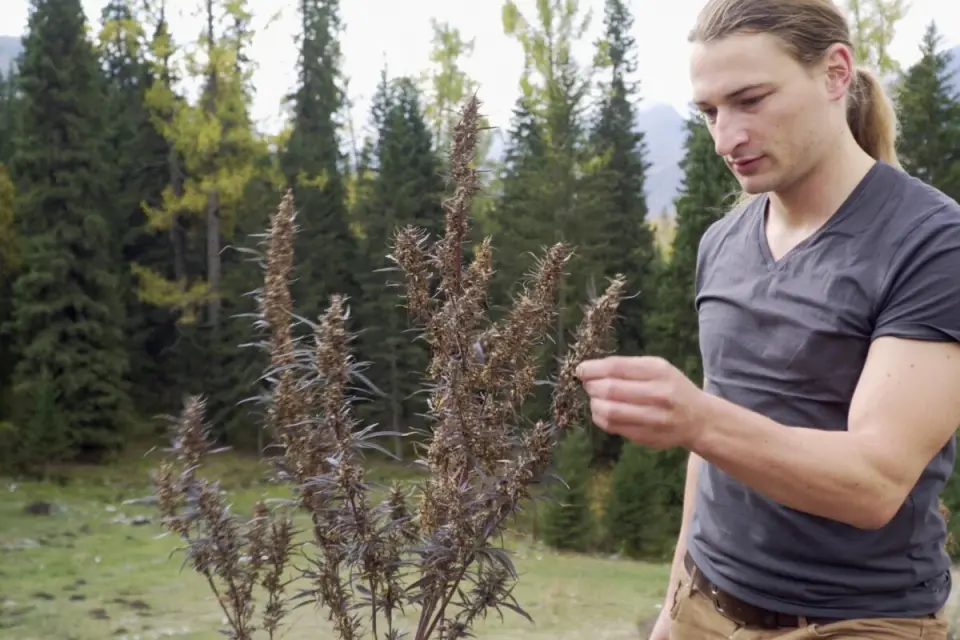
A new study published in Science claims that Scythian nomads in southern Siberia used cannabis for psychoactive purposes 2,800 years ago, predating previous records by 300 years. Researchers analyzed preserved hair and seeds from the Tunnug 1 burial mound, finding traces of THC. While some experts support the findings as direct molecular evidence, others criticize the hair analysis as scientifically weak, arguing it cannot distinguish consumption from external exposure.
Key points
- Researchers from Germany, Russia, Sweden, and Switzerland excavated the Tunnug 1 site in the Uyuk Valley of southern Siberia starting in 2017.
- The team recovered over 1,400 cannabis seeds and preserved human hair from a monumental tomb dating to approximately 2,800 years ago.
- Mass spectrometer analysis of the hair detected delta-9-tetrahydrocannabinol (THC) and cannabinol, suggesting psychoactive use.
- This finding pushes the timeline of known psychoactive cannabis use back by 300 years compared to previous records from neighboring China.
- The study suggests the plant played a role in funerary rituals, potentially connected to shamanistic beliefs or sedation of victims.
- Independent experts disagree on the validity of the hair analysis, with some calling it scientifically weak and others defending the methodology.
Background
Previous evidence of psychoactive cannabis use dated back to 2,500 years ago in Central Asia, while cultivation for oil and fiber dates back 6,000 years. Recent studies have also examined the impact of cannabis on sleep quality and its cultural history, but this is the first direct molecular evidence from such an early period in Eurasia.
How outlets are covering it
AP News and CNN present the findings as a significant breakthrough, highlighting the rarity of finding both plant remains and human soft tissue with active compounds. CNN notes that the discovery provides a 'cultural anchor point' for debates on legalization. However, AP News reports skepticism from Volker Auwaerter, a forensic toxicologist, who argues the hair analysis is 'scientifically weak' and cannot distinguish between consumption and external exposure. Elisa Guerra Doce of the University of Valladolid defends the methodology, stating it shows cannabis was consumed, not just deposited. The New York Times frames the story as a potential 'first stoner' discovery, emphasizing the Scythians' status as nomadic warriors and metalsmiths.
Why it matters
This discovery reshapes the historical timeline of psychoactive substance use in Eurasia, suggesting that cannabis consumption was widespread and ritualized earlier than previously thought. It provides direct molecular evidence that challenges previous assumptions about the spread and use of the plant, potentially influencing future archaeological and legal discussions regarding the history of cannabis.
What to watch
The research team is currently sequencing the ancient DNA of the recovered cannabis seeds, which could rewrite the domestication history of the plant. Further analysis may clarify whether the cannabis was consumed through inhalation or ingestion, and its specific role in Scythian funerary rituals.
- Seeds, preserved hair in tomb point to oldest signs of cannabis high 2,800 years ago, study suggests AP News
- Were These Ancient Siberian Nomads the First Stoners? The New York Times
- Earliest evidence of cannabis use found in ancient Siberian tomb CNN
- Siberian burial site reveals ancient use of cannabis as an intoxicant Reuters
- Cannabis was used as an intoxicant as early as 2,800 years ago Phys.org
Want the full story? Read the original reporting
Read on AP News