
Tasmanian tiger skull reveals a fast-snapping passer of small prey, not a wolf-like predator
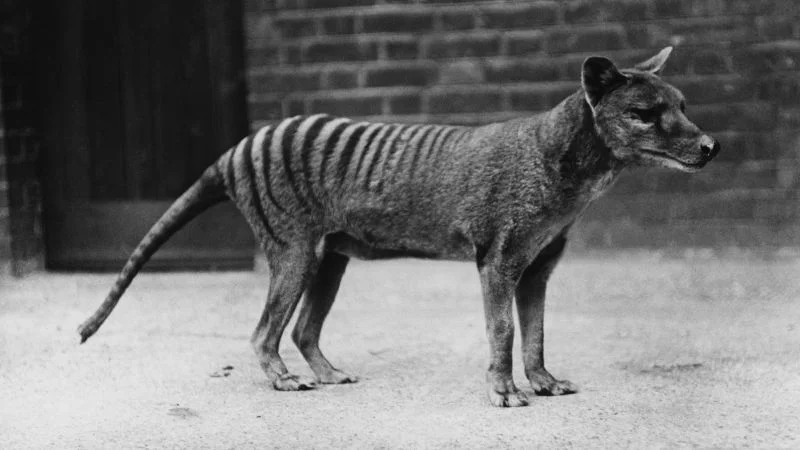
TL;DR Summary
New skull analysis shows the Tasmanian tiger hunted small prey with a long, slender snout and a very large skull that enabled rapid snapping, not the grappling, wolf-like predation once assumed. The marsupial was more closely related to kangaroos than dogs. The last captive thylacine died in 1936, and while de-extinction efforts are underway in some labs, researchers emphasize Indigenous stewardship and broader conservation lessons.
- The misunderstood Tasmanian tiger was driven to extinction based on a myth CNN
- Not tiger, not wolf: Australian thylacine skull reveals a far different hunting style phys.org
- Century-old myth about the Tasmanian tiger may have been dangerously wrong Yahoo
- We Were Wrong About How the Extinct Tasmanian Tiger Hunted Its Prey AOL.com
- The Tasmanian Tiger’s Skull Looked Like A Wolf’s. It Didn’t Bite Like One. StudyFinds
Reading Insights
Total Reads
1
Unique Readers
2
Time Saved
205 min
vs 206 min read
Condensed
100%
41,058 → 65 words
Want the full story? Read the original article
Read on CNN