
Toxicology reveals Inca children received cocaine, alcohol, and ayahuasca before mountain sacrifices
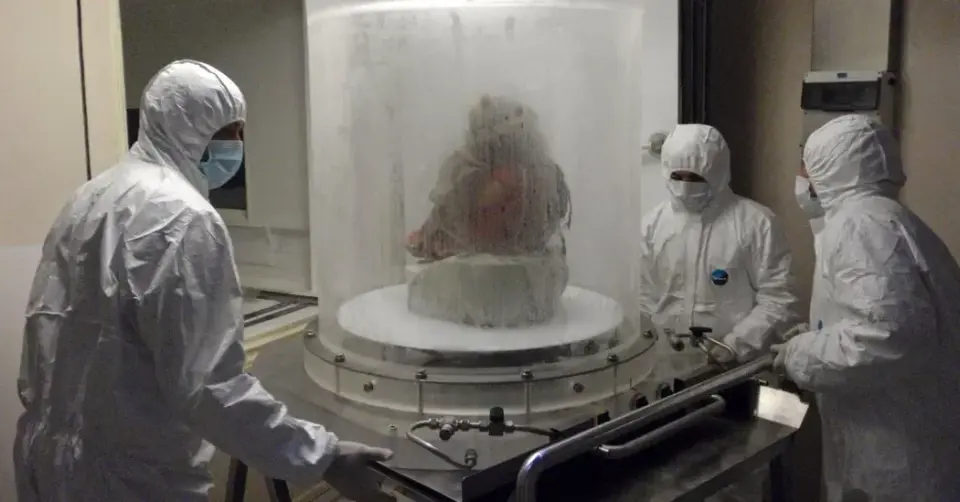
A new toxicological study of eight Inca child mummies confirms that victims of the capacocha ritual were administered cocaine, alcohol, and potentially ayahuasca before being sacrificed on high-altitude peaks. Published in the journal Antiquity, the research led by Dagmara Socha analyzed hair and nail samples, revealing that these substances were likely used to ease the children’s journey and calm them before death. The findings, combined with recent CT scans and isotopic analysis, suggest the rituals were complex, multi-month processes involving significant political and religious motivations, rather than single, isolated events.
Key points
- Cocaine traces were found in all eight mummified children, while alcohol was detected in four, likely in the form of chicha beer.
- Harmine, a compound from ayahuasca, was detected in the famous 'Ice Maiden' (Juanita), possibly for its antidepressant properties rather than hallucinogenic effects.
- CT scans of the 'El Plomo Boy' revealed blunt force trauma from a star-shaped mace, contradicting earlier theories of strangulation or freezing.
- Isotopic analysis indicates the El Plomo Boy traveled over 1,600 miles over nine months, with dietary changes reflecting stops along the route.
- Dating of botanical remains narrows the Llullaillaco sacrifice to 1462–1507, coinciding with the reigns of Topa Inca and Huayna Capac, suggesting a political purpose to secure imperial expansion.
Background
The Inca Empire, which ruled the Andes from the 13th century until the Spanish conquest in 1572, practiced capacocha, a ritual sacrifice of children and young women to mountain deities known as Apus. While Spanish chronicles described the rituals, the Incas had no written language, leaving gaps in historical understanding. Johan Reinhard discovered the first frozen mummy, Juanita, in 1995, leading to the discovery of 15 more mummies between 1996 and 1999. These 'ice mummies' have been preserved by cold, dry conditions, allowing modern forensic techniques to provide new insights into the rituals.
How outlets are covering it
The New York Times highlights the cultural significance of the drugs, noting they were part of a sacred ritual to garner divine favor. CNN emphasizes the physical journey and the varied methods of death, including the discovery that some mummies may not have died where they were found. Earth.com focuses on the chemical variations, suggesting that different mountain deities required different preparations, and notes that the presence of Amazonian ayahuasca implies extensive trade networks. Mezha.net summarizes the findings, stressing the complexity of the rituals and the political motivations behind them, particularly during the expansion of the empire under Topa Inca and Huayna Capac. All sources agree that the new research provides a more nuanced understanding of the capacocha, moving beyond simple accounts of sacrifice to a detailed picture of preparation, journey, and ritual.
Why it matters
This research reshapes our understanding of Inca religious practices and the role of human sacrifice in their empire. By revealing the use of psychoactive substances and the long, arduous journeys undertaken by the children, it highlights the complexity and significance of the capacocha ritual. The findings also suggest that these sacrifices were not merely responses to natural disasters but were also political tools used to consolidate power and expand the empire. This new evidence challenges previous assumptions and provides a more comprehensive view of Inca society and its interactions with the divine.
What to watch
Researchers expect to publish new genome studies in the coming months, which could provide further insights into the origins and health of the sacrificed children. Continued analysis of the mummies using advanced forensic and chemical techniques may reveal more about the rituals and the lives of the victims. The findings are likely to influence future archaeological and historical research, providing a more detailed understanding of Inca culture and its practices.
- Inca Children Were Given Cocaine and Ayahuasca Before Being Sacrificed The New York Times
- Forensic analysis of famed ‘ice mummies’ reveals final moments of Inca children 500 years ago CNN
- Inca children chosen for sacrifice were given cocaine, alcohol, and ayahuasca before being killed on mountaintops Earth.com
- New studies add clues to the final days of Inca “ice mummies” Mezha.net
Want the full story? Read the original reporting
Read on The New York Times