
Total orbital failure for second batch of Russia's Rassvet satellite constellation
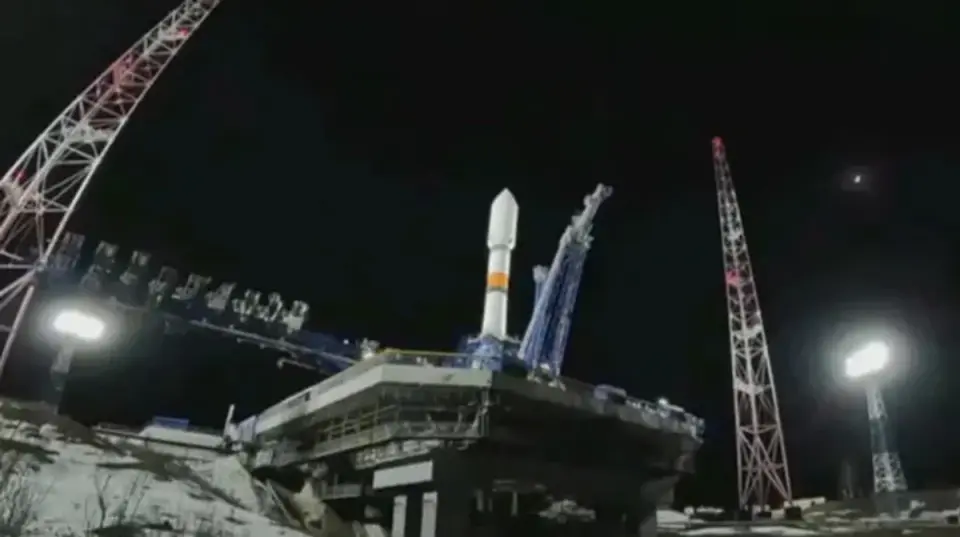
All 16 satellites in the second batch of Russia's Rassvet constellation failed to reach their target orbit, marking a severe setback for Moscow's attempt to build a domestic alternative to Starlink.
Key points
- The 16 Rassvet-3 satellites launched on July 19 on a Soyuz rocket failed to reach the planned operational altitude of 550 km.
- As of late August, none of the satellites reached the target; most are orbiting between 300 and 400 km, with some already descending.
- Two satellites are expected to re-enter Earth's atmosphere soon, and others are at risk due to atmospheric drag at lower altitudes.
- This failure compounds issues from the first batch in March, where only 12 of 16 satellites reached the intended altitude.
- The program is developed by private company Bureau 1440, which aims to expand the constellation to 900 satellites by 2035.
Background
Russia accelerated the development of the Rassvet constellation in 2026 after SpaceX began blocking unregistered terminals in the region at Ukraine's request. The program aims to provide stable communications for Russian military operations, including drone control, which previously relied on Starlink terminals. The current failures highlight the technical and logistical challenges Russia faces in building a large-scale satellite network from scratch.
How outlets are covering it
Ukrainska Pravda and TVP World emphasize the total failure of the second batch, noting that none of the 16 satellites reached the target orbit. Business Insider provides a broader statistical context, highlighting that only 12 of the 32 satellites launched so far have reached sustainable altitudes, resulting in a 37.5% success rate. While all sources agree on the failure, Business Insider also notes that the Soyuz rocket's limited launch capacity is a major bottleneck for reaching the required 200-300 satellites for stable coverage. The Institute for the Study of War (ISW) is cited by multiple outlets as estimating that Russia needs at least 200-300 operational satellites to provide continuous connectivity over Ukraine, a goal currently out of reach due to these technical failures and launch constraints.
Why it matters
The failure of the Rassvet constellation underscores the difficulty for Russia to replace Starlink, which is critical for military communications and drone operations. This setback may prolong Russia's reliance on alternative communication methods or force a slower, more costly approach to building its satellite network, impacting its operational capabilities in the ongoing conflict with Ukraine.
What to watch
Russia will likely need to address the technical issues preventing satellites from reaching higher orbits and may face further delays in its launch schedule. The program's success will depend on improving the reliability of the Soyuz rocket launches and potentially adjusting the target orbit to a lower altitude to ensure satellite longevity. The next few launches will be critical in determining whether Russia can recover from this setback and begin building a functional constellation.
- Russian Starlink analogue fails as none of 16 satellites reaches operational orbit Українська правда
- All 16 of Russia's latest satellites for its Starlink rival failed to reach their intended orbit Business Insider
- Russia's Rossvest Starlink Alternative Is Already Losing Satellites to Accidental Reentry Yahoo
- Russia’s Starlink rival hits setback TVP World
- Russia's Starlink satellite rival fails to reach orbit again The New Voice of Ukraine
Want the full story? Read the original reporting
Read on Українська правда