
Ukraine’s Donbas Fortress Belt Faces Critical Erosion as Russian Advance Intensifies
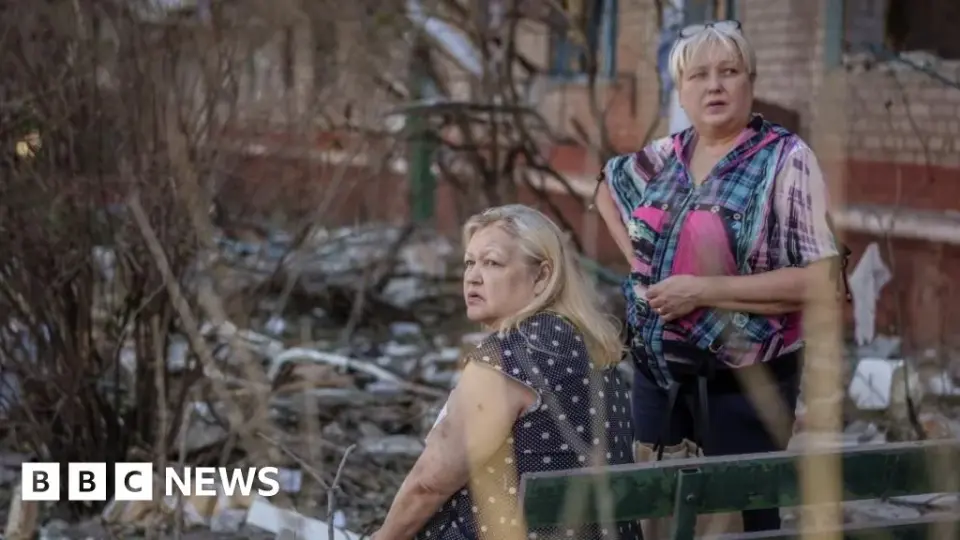
Russian forces are intensifying attacks on Ukraine’s 'fortress belt' in the Donbas, with daily glide bomb strikes and drone incursions targeting Sloviansk and Kramatorsk. While Kostyantynivka has been effectively lost, Kyiv is evacuating civilians and deploying new taskforces to defend the remaining strongholds. Analysts note that although Russia’s advance is slow, it poses a significant threat to Ukraine’s eastern defenses and broader strategic stability.
Key points
- Russian glide bomb strikes on Sloviansk and Kramatorsk have increased from roughly once a week to daily, with 109 bombs launched in July and 92 in August, according to Ukrainian police data.
- Kostyantynivka, the southern anchor of the fortress belt, has been effectively lost to Russia, with only limited Ukrainian presence remaining, as reported by BBC and CNN.
- Civilians in the Donbas are being forced to evacuate due to deteriorating security, with police stating that leaving is the only way to save lives, as noted by Pavlo Dyachenko of Donetsk police.
- Ukraine has created two new taskforces led by generals Andriy Biletsky and Denys Prokopenko to defend the remaining Donbas strongholds, as stated by President Volodymyr Zelensky.
- Russian forces advanced approximately 124 square kilometers in August, but at a slow pace, with western analysts estimating it would take until 2032 to fully capture Donetsk, according to the Institute for the Study of War (ISW).
Background
The Donbas fortress belt, comprising Sloviansk, Kramatorsk, Druzhkivka, and Kostyantynivka, has been a critical defensive line for Ukraine since the start of the full-scale invasion. Previous coverage highlighted the gradual erosion of these strongholds, with Kostyantynivka being effectively lost and Druzhkivka coming under attack. The current situation marks a significant escalation in Russian efforts to break through this defensive line, which could have broader implications for Ukraine’s eastern and central regions.
How outlets are covering it
BBC emphasizes the immediate danger to civilians and the intensification of glide bomb strikes, highlighting the human cost and the need for evacuation. CNN focuses on the strategic implications of the fortress belt’s erosion, noting that while Russia’s advance is slow, it poses a significant threat to Ukraine’s defenses. ISW provides a quantitative analysis of Russia’s progress, noting the slow pace but significant casualties. Ukrainian officials, such as President Zelensky, stress the importance of holding the Donbas and the deployment of new taskforces to defend the region. Russian officials, such as Kremlin aide Yury Ushakov, claim tangible advances but have not independently verified major breakthroughs.
Why it matters
The fate of the Donbas fortress belt is crucial for Ukraine’s ability to defend its eastern and central regions. If Russia breaks through, it could advance deeper into Ukraine at a faster pace, potentially reshaping the conflict. The humanitarian impact is also significant, with civilians being forced to evacuate and living under constant danger. The strategic and humanitarian implications of this battle are likely to influence the broader trajectory of the war and international diplomatic efforts.
What to watch
Ukraine is expected to continue reinforcing the fortress belt with new taskforces and military resources. Russia may continue its slow but steady advance, potentially aiming to capture the remaining strongholds by the end of 2026 or early 2027. International diplomatic efforts, including talks between US envoys and Ukrainian President Zelensky, may focus on the future of the Donbas and potential ceasefire or peace negotiations. The humanitarian situation will likely worsen as more civilians are forced to evacuate and live under constant danger.
- Ukraine's fortress cities under fire as Russia bids to seize rest of Donbas BBC
- ‘They can strike at any moment’: Ukrainian strongholds under pressure as Russian forces edge closer CNN
- Occupiers Advanced Near Key City in Donbas – DeepState Inbox.lv
- Video: Russians Have Dramatically Intensified Their Offensive Near Dobropillya UA.NEWS
- Russian troops advance near Kostiantynivka and Chervone - DeepState ukranews.com
Want the full story? Read the original reporting
Read on BBC