
Russia Expands Air Defense Ring Around Putin’s Valdai Residence to 50 Towers
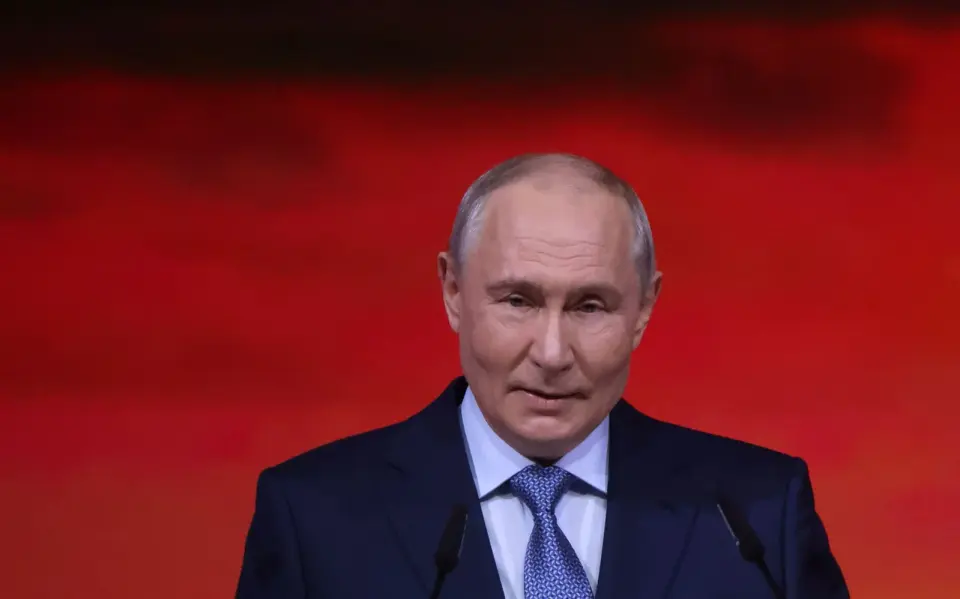
Satellite analysis reveals Russia has constructed 16 new short-range air defense towers within 50 kilometers of Vladimir Putin’s Valdai residence, bringing the total protective perimeter to over 50 sites. The expansion, primarily located south of the compound, includes positions near the Khotilovo military base and a secret biological laboratory on Lisiy Island. This significant hardening of defenses follows a disputed December 2025 drone incident and coincides with heightened security measures in Moscow.
Key points
- RFE/RL and OSINT analyst Jembob identified 16 new towers built in September 2026, increasing the total count around Valdai to 49 or 50.
- The new perimeter extends to the Khotilovo military airbase, which has a dedicated railway link to Putin’s residence, and the Vyshny Volochyok Reservoir.
- Satellite images show towers near Lisiy Island, home to a secret biological laboratory complex, though northern perimeter positions remain unconfirmed.
- The expansion follows a December 2025 incident where Russia claimed Ukraine attacked Valdai with 90 drones, a claim denied by Kyiv and refuted by the CIA.
- Moscow has simultaneously increased security around the Kremlin, deploying Pantsir systems and restricting traffic amid reports of potential drone threats.
Background
This escalation in defensive infrastructure occurs amid ongoing tensions over energy strikes and peace negotiations. In early October, Putin rejected ceasefire proposals at the Valdai Forum, warning of nuclear escalation if Kaliningrad were threatened. Meanwhile, Ukraine and Russia have engaged in reciprocal strikes on energy infrastructure, with Zelensky proposing an energy truce in mid-October that Moscow has not accepted. The current air defense buildup reflects a broader pattern of hardening key Russian sites against Ukrainian long-range drone capabilities.
How outlets are covering it
While The Kyiv Independent and Ukrainska Pravda focus on the specific expansion around Valdai, citing RFE/RL and OSINT data, The Daily Beast emphasizes the scale of the protection relative to Moscow, noting that Valdai now has half the air defense towers of the capital despite a much smaller population. UA.NEWS highlights a broader security tightening in Moscow, reporting on Pantsir deployments near the Kremlin and traffic restrictions, though it cautions that the specific threats remain unconfirmed. All sources agree on the physical expansion of defenses but differ in emphasis: some view it as a response to the disputed December 2025 attack, while others frame it as part of a wider hardening of Russian leadership sites amid the war's stalemate.
Why it matters
The expansion of air defenses around Putin’s primary residence signals a shift in Russian security priorities, prioritizing the protection of top leadership over other strategic assets. It underscores the perceived threat from Ukrainian drone capabilities and the Kremlin’s desire to insulate its leadership from potential strikes. This hardening may also influence the trajectory of peace negotiations, as Moscow demonstrates its capacity to protect key sites while continuing its war effort.
What to watch
Analysts expect additional air defense positions to be established along the northern perimeter of Valdai in the coming months. The situation may also see further escalation in drone attacks on Russian infrastructure, as Ukraine continues its long-range strike campaign. The outcome of upcoming trilateral talks between the US, Ukraine, and Russia, scheduled to resume after November 4, will likely be influenced by these security developments.
- 'Putin's paranoia' — New air defenses appear around Russian president's Valdai residence, analysis shows The Kyiv Independent
- Over 50 air defence towers reportedly built around Putin's Valdai residence Українська правда
- Paranoid Putin Scrambles to Shield His Lair From Drones The Daily Beast
- Russia Builds 33 Air Defense Positions Around Alabuga Drone Production Zone Мілітарний
- Soldiers and Pantsir systems were spotted on the outskirts of the Kremlin UA.NEWS
Want the full story? Read the original reporting
Read on The Kyiv Independent