
Nepal Flood Toll Tops 1,000 as UN Warns of Rising Himalayan Glacial Risks
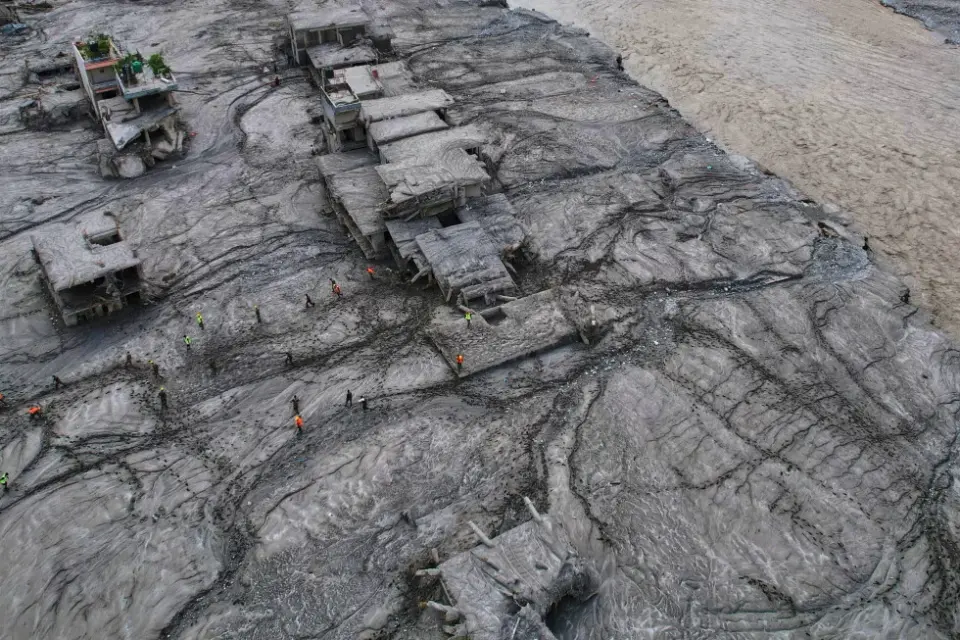
A glacial collapse near Langtang Lirung triggered catastrophic floods in Nepal and Tibet, killing over 1,000 people. The disaster has left thousands missing and destroyed critical infrastructure, prompting UN warnings about increasing climate-driven risks in the region.
Key points
- The death toll from the August 28 floods has reached 1,066, with nearly 4,000 people still missing, including 592 foreigners.
- The disaster was caused by a glacier collapse that sent a flood wave down the Trishuli River, overwhelming downstream communities.
- UN officials warn that millions of people in the Himalayas face increased risks from glacial floods due to climate change.
- The floods knocked out 10% of Nepal's power capacity and left 2.2 million tonnes of debris, severely impacting infrastructure.
- International aid exceeding $42 million has been provided, with China and other nations assisting in rescue and identification efforts.
Background
The disaster began on August 28, 2026, when a glacier near Langtang Lirung collapsed, sending ice and debris into the Lende Khola river. This triggered a massive flash flood that surged 7-9 meters in 30 minutes, overwhelming monitoring stations and downstream areas. Earlier reports estimated the cost of the disaster at $5 billion, with Nepal appealing for urgent UN aid. The event highlighted the vulnerability of the region to climate-driven disasters, with previous warnings about glacial instability in the Himalayas.
How outlets are covering it
AP News emphasizes the broader climate change implications, noting that such disasters are becoming more frequent in the Himalayas due to warming. The Guardian focuses on the immediate humanitarian impact, detailing the death toll, missing persons, and infrastructure damage. Both sources agree on the severity of the event but differ in emphasis: AP highlights long-term climate risks, while The Guardian provides detailed accounts of the disaster's immediate effects and international response. The Guardian also notes concerns about the lack of political will to address climate change, as highlighted by Prof. Anjal Prakash.
Why it matters
The Nepal-Tibet floods underscore the growing risks posed by climate change in the Himalayas, where glacial melt and instability threaten millions of people. The disaster highlights the need for improved early warning systems and international cooperation to mitigate climate-driven risks. It also raises questions about the adequacy of current climate policies and the inequity of climate impacts on vulnerable nations.
What to watch
Rescue and recovery efforts are ongoing, with international aid and specialized support being provided. Nepal is working with experts to clear debris and restore infrastructure. The UN and other organizations are expected to continue monitoring glacial risks in the region, with calls for increased investment in climate resilience and early warning systems. The disaster may also prompt further discussions on climate policy and international cooperation to address the root causes of such events.
- As climate change warms the Himalayas, disasters like the Nepal floods are becoming more frequent AP News
- Asia Bulletin newsletter: Lessons from the flash flood in Nepal The Economist
- Nepal-Tibet floods: millions at risk from glacial floods in Himalayas in years to come, UN warns, as death toll passes 1,000 – as it happened The Guardian
- How Will Nepal Pay for the Latest Climate Disaster? The Nation
- Himalayas face severe glacial flood risks in years ahead, UN official warns Reuters
Want the full story? Read the original reporting
Read on AP News