
Ireland's New Government Jet Lacks Fog Landing System Due to Israeli Boycott
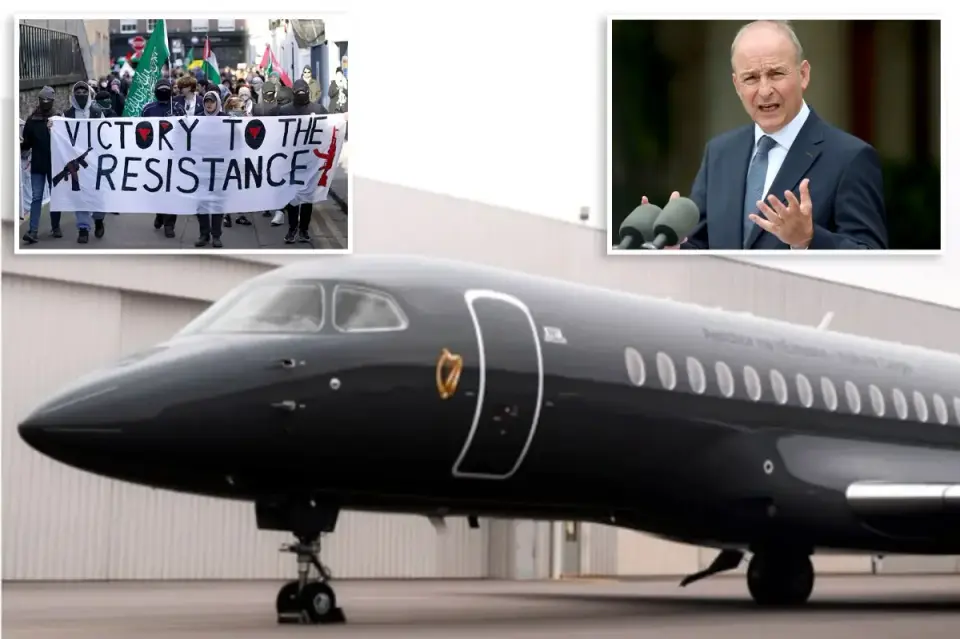
Ireland’s new $61 million government jet, a Dassault Falcon 6X, was delivered without the FalconEye landing system because it is co-developed by Israeli firm Elbit Systems. This omission stems from a 2024 pledge by Taoiseach Micheál Martin to avoid Israeli products, despite the system being crucial for landing in foggy weather common in Ireland. While the Defense Department claims no operational limits, sources indicate the absence restricts pilot options, and similar Israeli components remain in Irish helicopters and patrol craft where alternatives are unavailable.
Key points
- The new Dassault Falcon 6X, delivered in December 2025 to replace the Learjet, lacks the FalconEye system, which enables landings in zero-visibility conditions like fog.
- FalconEye is a combined vision system co-developed by Dassault Aviation and Israeli defense company Elbit Systems, which Ireland has boycotted since 2024.
- Taoiseach Micheál Martin pledged in 2024 that Ireland would not purchase equipment featuring Israeli-made products, leading to the exclusion of this specific technology.
- The Irish Defense Department stated the aircraft has 'no current limits' on operational capability, but sources cited by The Journal suggest the missing system limits pilot options in poor weather.
- Despite the boycott, four Irish Air Corps helicopters and a maritime patrol craft include Israeli-made flight systems and radar, as these components cannot be sourced elsewhere.
- Ireland receives only 1,100 to 1,600 hours of sunshine annually, and Cork Airport experiences 99 days of fog per year, making the missing system particularly relevant.
Background
This development follows Ireland’s escalating diplomatic tensions with Israel, including formal recognition of Palestinian statehood, entry bans on Israeli officials, and support for International Court of Justice actions against Israel. These policies led Israel to close its embassy in Dublin. The current situation highlights the practical consequences of Ireland’s broader boycott of Israeli technology, which has previously affected other sectors but now impacts critical aviation safety features for government officials.
How outlets are covering it
The New York Post and The Jerusalem Post report the core facts similarly, noting the $61 million cost and the absence of the FalconEye system due to the Israeli boycott. The Journal, cited by both, provides the technical details and the Defense Department’s denial of operational limits. The Daily Wire frames the story as a self-inflicted 'humiliation' and 'woke dogma,' emphasizing the irony of Ireland’s anti-Israel stance compromising its own safety, while the other outlets present the information more neutrally. All sources agree on the presence of Israeli components in other Irish military assets where alternatives are unavailable, but differ in tone regarding the political implications.
Why it matters
This case illustrates the tangible impact of geopolitical boycotts on national infrastructure and safety. It raises questions about the consistency of Ireland’s anti-Israel policies, as they exclude certain technologies while retaining others where no alternatives exist. The incident also highlights the practical risks of political decisions affecting critical safety systems, particularly in a country with frequent foggy weather conditions.
What to watch
Ireland may face continued scrutiny over the operational limitations of its new government jet, especially during foggy weather. The government may need to address public concerns about safety and the consistency of its boycott policies. There could be further debate on whether to seek alternative technologies or reconsider the scope of the boycott, particularly as it affects critical infrastructure.
- Irish government buys new ‘Air Force One’-style jet without a safety system for fog— because the part is made in Israel New York Post
- Ireland's new €53m. jet may struggle in fog as government rejects Israeli-made landing system The Jerusalem Post
- Irish state jet may struggle to land in fog, having forgone Israeli equipment – report The Times of Israel
- Ireland Shoots Itself In Foot Over Woke Boycott Of Israeli Jet Tech The Daily Wire
- Irish PM’s jet can’t land in fog after Israeli system removed Yahoo
Want the full story? Read the original reporting
Read on New York Post