
Global Right-Wing Setbacks in Brazil and Serbia Signal Democratic Resilience
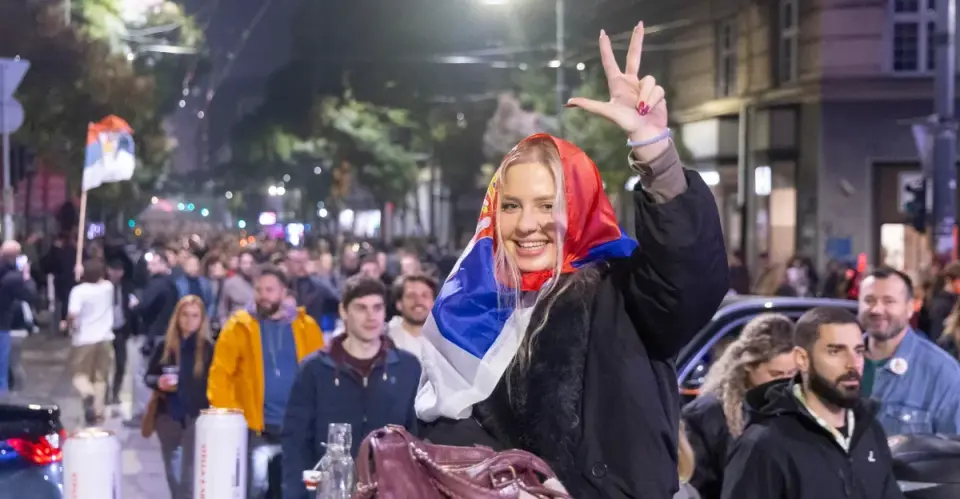
In a rare 24-hour window, far-right leaders in Brazil and Serbia suffered significant electoral defeats. Brazilian voters re-elected President Luiz Inácio Lula da Silva, defeating Flávio Bolsonaro in a runoff that defied initial polling. Simultaneously, a student-led opposition movement in Serbia toppled the ruling party of long-serving President Aleksandar Vučić. These results interrupt a recent trend of right-wing consolidation in the Global South and Europe, though challenges remain in both nations.
Key points
- Brazil: Lula won the presidential runoff against Flávio Bolsonaro, ending a streak of seven consecutive conservative victories in Latin America. Bolsonaro refused to concede, calling the results rigged, while the White House echoed claims of fraud without providing evidence.
- Serbia: The Student List, an opposition slate formed after a 2024 railway station collapse killed 16 people, defeated the Serbian Progressive Party. Vučić conceded defeat, marking the end of his 12-year rule.
- Context: These losses occurred just before Israeli elections and US midterms, creating a cluster of four pivotal votes in 10 days that test the global balance between authoritarianism and democracy.
- US Reaction: President Trump criticized the Brazilian outcome as a 'witch hunt' regarding the prosecution of Jair Bolsonaro, who is serving a 27-year sentence for plotting a coup.
Background
Recent months have seen a surge in right-wing populism, including victories in Hungary and strong polling for far-right parties in Germany and France. The US has also experienced rapid democratic backsliding under President Trump’s second term. These recent defeats in Brazil and Serbia offer a counter-narrative to that trend, suggesting that grassroots organizing can still disrupt entrenched power structures.
How outlets are covering it
Vox emphasizes the role of grassroots mobilization, noting that a WhatsApp group supporting Lula grew from 50,000 to 11 million followers after the first round. The Guardian highlights the interconnected nature of these elections, noting that Trump’s MAGA movement had supported all three losing or challenged figures (Bolsonaro, Vučić, and Netanyahu). Axios focuses on the geopolitical implications, framing the Brazilian result as a rejection of Trump’s influence in Latin America. The New York Times frames the events as a broader reminder that democratic systems can produce unexpected outcomes, contrasting the small Balkan state with the large Latin American economy.
Why it matters
These results demonstrate that democratic norms can withstand authoritarian pressure through mass mobilization. However, the victories are not without risks: Flávio Bolsonaro is challenging the results, and the Serbian student movement lacks experience in governing. The outcomes may influence the upcoming Israeli election and US midterms, potentially altering the global trajectory of democratic institutions.
What to watch
Analysts will monitor whether Flávio Bolsonaro’s refusal to concede leads to instability in Brazil. In Serbia, the Student List must form a government and policy platform. The Israeli election on October 27 and US midterms on November 3 will determine if this trend of right-wing setbacks continues or if authoritarian forces regain ground.
- The far-right just lost. Twice. Vox
- Ten days that could shake the world: democratic norms at stake in four pivotal elections The Guardian
- Trump allies fall in two elections as Netanyahu faces next test Axios
- The Spirit of Democracy Remains Strong Persuasion | Yascha Mounk
- Election Surprises The New York Times
Want the full story? Read the original reporting
Read on Vox