
Israel’s 2026 Election: A Tight Race Over War, Security, and Netanyahu’s Legacy
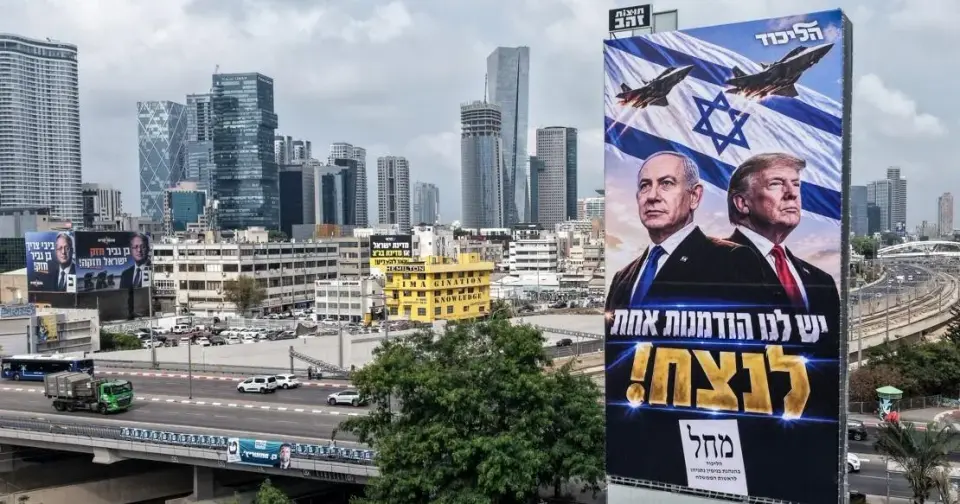
Israelis vote on October 27 in a closely contested election that will determine the next government after three years of multi-front war. Polls show a tight race between Prime Minister Benjamin Netanyahu’s right-wing bloc and a diverse 'change bloc' led by former military chief Gadi Eisenkot. Neither side is expected to win a decisive majority of the 120-seat Knesset, potentially leading to protracted coalition negotiations, a minority government, or a second election. Key issues include the aftermath of the October 7, 2023, Hamas attack, military service exemptions for ultra-Orthodox Jews, and the ongoing conflict with Iran.
Key points
- The election is widely seen as a referendum on Netanyahu’s leadership following the October 7, 2023, security failure and subsequent wars in Gaza, Lebanon, and Syria.
- Polls show a tight race, with right-leaning polls favoring Netanyahu and left-leaning polls favoring the change bloc; neither side is expected to win a decisive majority.
- Gadi Eisenkot, leader of the centrist Yashar party, is the front-runner for the change bloc, promising a state inquiry into the October 7 failures and ending ultra-Orthodox military exemptions.
- Netanyahu argues only he can form a government without Arab parties and can work with President Trump to prevent Iran from obtaining nuclear weapons.
- Arab-Israeli voter turnout is a critical factor, as higher turnout could prevent Netanyahu from forming a coalition with far-right allies.
- If no clear majority emerges, Israel could face weeks of coalition negotiations, a minority government, or a second election, as happened between 2019 and 2022.
Background
This is the first Israeli election since the October 7, 2023, Hamas attack, which authorities acknowledged as the country’s most catastrophic security failure since 1948. The election follows three years of multi-front war, including conflicts in Gaza, Lebanon, and Syria, and two direct rounds of conflict with Iran. Previous archive coverage highlighted the return of tens of thousands of expatriates to vote and the potential for Arab parties to become kingmakers in a tight race. The 2023 judicial overhaul and its subsequent repeal remain a divisive issue, though public fatigue has reduced its prominence in the current campaign.
How outlets are covering it
CBS News emphasizes the tight race and the potential for a stalemate, highlighting the role of Arab voter turnout and ultra-Orthodox military exemptions. The New York Times focuses on the intense anxieties among Israeli Jews about isolation, security, and the future of Israel’s identity, with both supporters and opponents of Netanyahu expressing fears of tyranny, civil war, or collapse. Axios highlights the contrast between Netanyahu and Eisenkot, noting Eisenkot’s low-key approach and high likability, while Netanyahu relies on his global network and Trump’s endorsement. AP News notes that while the October 7 attack is a central factor for 68% of Jewish Israelis, it is less prominent for Arab voters, who prioritize crime and cost of living. AP also highlights the economic concerns, with 38% of Jewish Israelis and 46% of Arab Israelis citing the economy as a top issue, though candidates have largely ignored it in their campaigns.
Why it matters
The outcome will determine Israel’s next government and its approach to ongoing conflicts, including the war in Gaza and tensions with Iran. A change in leadership could reset Israel’s strained relationships abroad and address domestic issues like military service exemptions and the judicial overhaul. The election also reflects broader concerns about democratic erosion, security failures, and the cost of war, with implications for regional stability and international relations.
What to watch
If no clear majority emerges, Israel could face weeks of coalition negotiations, a minority government, or a second election. The formation of a new government will depend on the ability of parties to form a coalition, with Arab parties potentially playing a key role in tipping the balance. The new government will need to address the ongoing conflict in Gaza, the threat from Iran, and domestic issues like military service exemptions and the judicial overhaul.
- Israel's elections are wide open. Here's what could decide Netanyahu's political fate. CBS News
- Israeli Jews Across the Spectrum Face an Election of Fears The New York Times
- The anti-Bibi candidate who has Netanyahu on his heels Axios
- A look at the main issues in Israeli elections seen as a referendum on Netanyahu AP News
- Israelis have changed. Will they change their leadership? NPR
Want the full story? Read the original reporting
Read on CBS News