
Trump, Xi, and Putin meet in Shenzhen for historic trilateral summit amid skepticism over outcomes
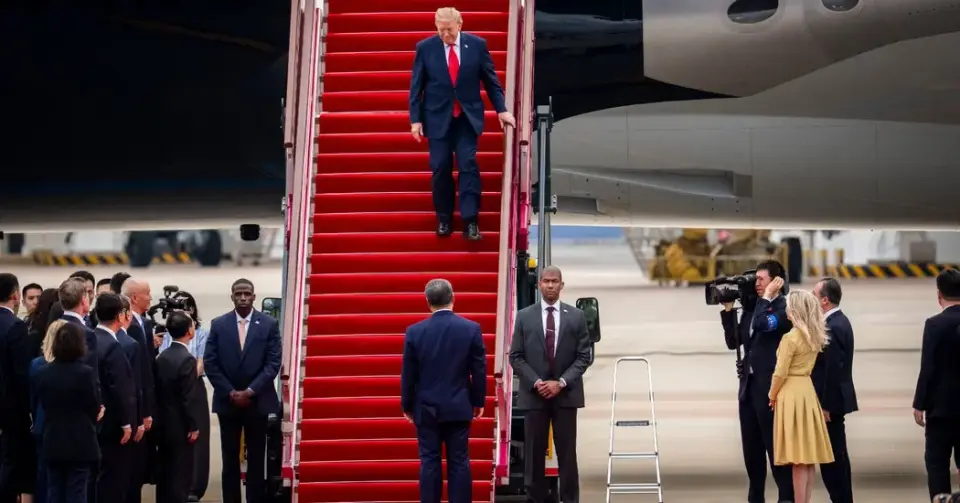
President Donald Trump, Chinese President Xi Jinping, and Russian President Vladimir Putin are set to hold the first-ever trilateral meeting of the leaders of the world’s three largest nuclear powers on November 18, 2026, in Shenzhen, China. The gathering, held on the sidelines of the Asia-Pacific Economic Cooperation (APEC) summit, is being watched closely for potential breakthroughs on the war in Ukraine, Iran, and nuclear arms control. However, analysts and diplomats are skeptical that the meeting will yield significant concrete results, with many comparing it unfavorably to the 1945 Yalta Conference. While the leaders have engaged in warm social interactions, including a welcome banquet, substantive negotiations remain limited, and the event is viewed by some as a symbolic display of power rather than a diplomatic breakthrough.
Key points
- The meeting marks the first time the leaders of the US, China, and Russia have sat together, controlling over 90% of global nuclear weapons.
- The summit is taking place in Shenzhen, a major hub for technology and manufacturing, during the APEC summit.
- Trump, Xi, and Putin attended a welcome banquet on November 17, engaging in toasts and informal discussions, but no major announcements were made.
- The agenda includes bilateral and trilateral talks, with topics potentially covering Ukraine, Iran, and nuclear weapons, but no breakthroughs are expected.
- Critics argue the summit risks appeasing authoritarian leaders and sidelining allies, while supporters see it as a necessary channel for de-escalation.
Background
This summit follows months of diplomatic maneuvering, including Putin’s proposal for a tripartite meeting at APEC, which raised concerns in Europe about a 'Yalta 2.0' that could marginalize Ukraine and NATO. Recent U.S. midterm elections have weakened Trump’s domestic political standing, potentially affecting his negotiating leverage. Additionally, tensions in U.S.-China relations have been heightened by recent espionage allegations involving tech executives, though Trump has chosen not to raise these issues in Shenzhen to maintain cordial relations.
How outlets are covering it
The New York Times emphasizes the historical significance of the meeting but doubts it will produce meaningful outcomes, comparing it to Yalta but noting the lack of secret, decisive negotiations. CNBC highlights the social and diplomatic warmth between the leaders, noting the absence of public tension despite recent U.S.-China tech disputes, and observes that business leaders like Nvidia’s CEO were notably absent from the event. CNN focuses on the optics of Trump’s relationship with authoritarian leaders, criticizing his tendency to flatter Xi and Putin while downplaying their aggressive actions, and questions whether the summit serves U.S. national interests or merely provides personal validation for the leaders involved.
Why it matters
The summit could set the tone for U.S. foreign policy in a period of domestic political uncertainty for Trump. It may influence global perceptions of U.S. commitment to allies and its stance on authoritarian regimes. While no major agreements are expected, the meeting could establish a framework for future high-level dialogue, potentially affecting regional stability in Ukraine, the Middle East, and the South China Sea.
What to watch
The trilateral meeting is scheduled for November 18, with bilateral talks between Trump and Xi also on the agenda. Trump has expressed interest in meeting North Korean leader Kim Jong Un during the trip. Future summits may become more regular if this meeting establishes a productive framework, but immediate outcomes are unlikely to resolve major geopolitical conflicts.
- Trump, Xi and Putin Will Sit Down for the First Time. It Won’t Be Like Yalta. The New York Times
- I watched Trump, Xi and Putin gather in China. Here are my top takeaways CNBC
- Republicans back Trump, Xi, Putin meeting but warn they are ‘not our friends’ The Hill
- Trump’s dream of a nuclear deal meets reality of unwilling Russia and China The Washington Post
- Russia and China are not America’s friends. Why does Trump think they are? CNN
Want the full story? Read the original reporting
Read on The New York Times