Thomas Tuchel says England will have no time to acclimate to the high altitude of Mexico City's 7,200 ft elevation for their World Cup last-16 clash, arriving two days before kickoff while Mexico is already used to thinner air, potentially giving Mexico an edge.
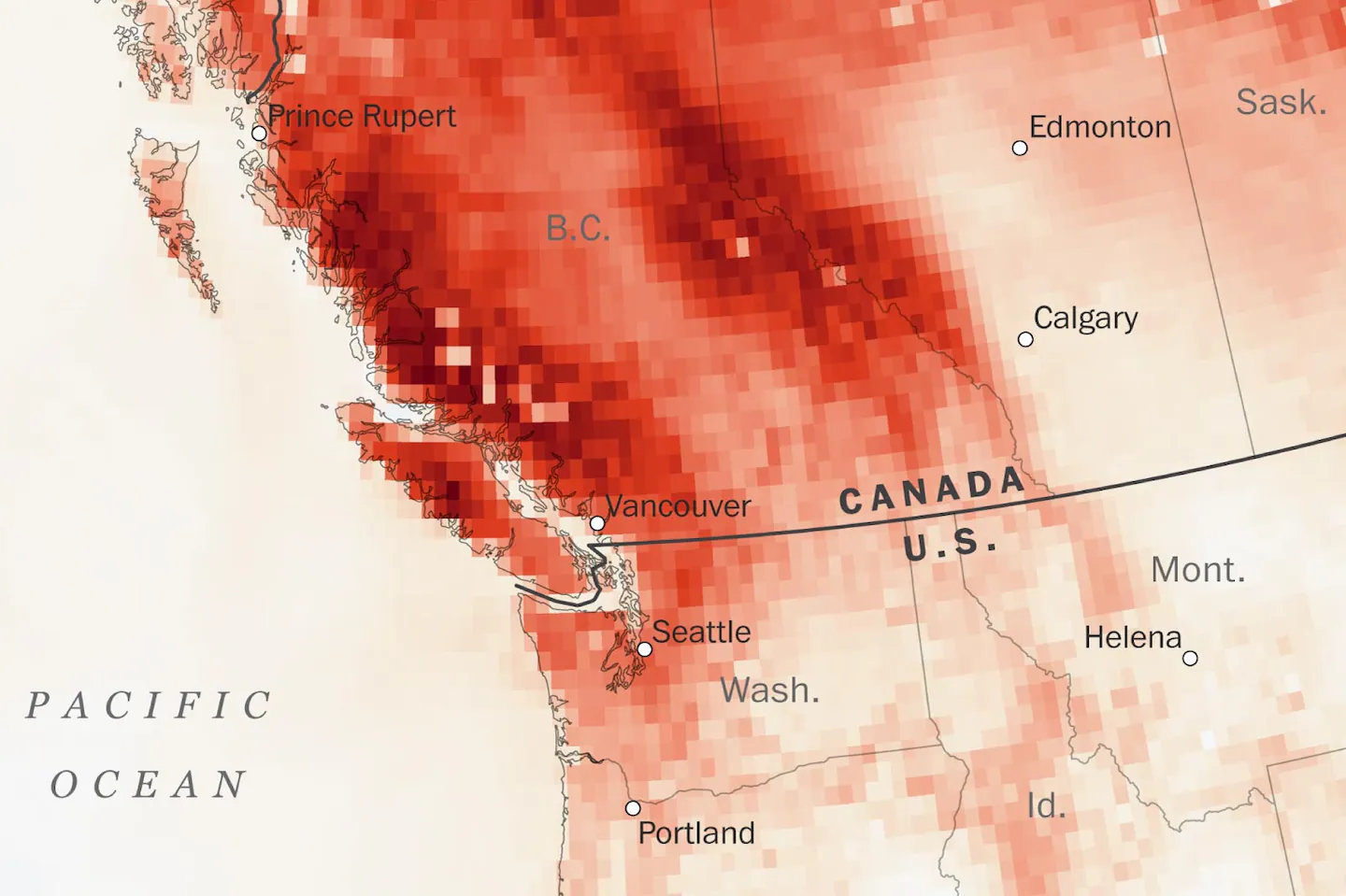
Large parts of the Pacific Northwest are experiencing an early heat wave, with temperatures up to 30 degrees above normal. Experts warn that early-season heat waves can pose health risks to people who have not had a chance to build tolerance to heat. Acclimatization to increased temperatures requires at least two hours of exposure to heat for a period of four to 14 days. The population groups most vulnerable to extreme heat include the elderly, small children, outdoor workers, and pregnant women. The expected heat wave in the Pacific Northwest was made two to five times more likely by global warming.
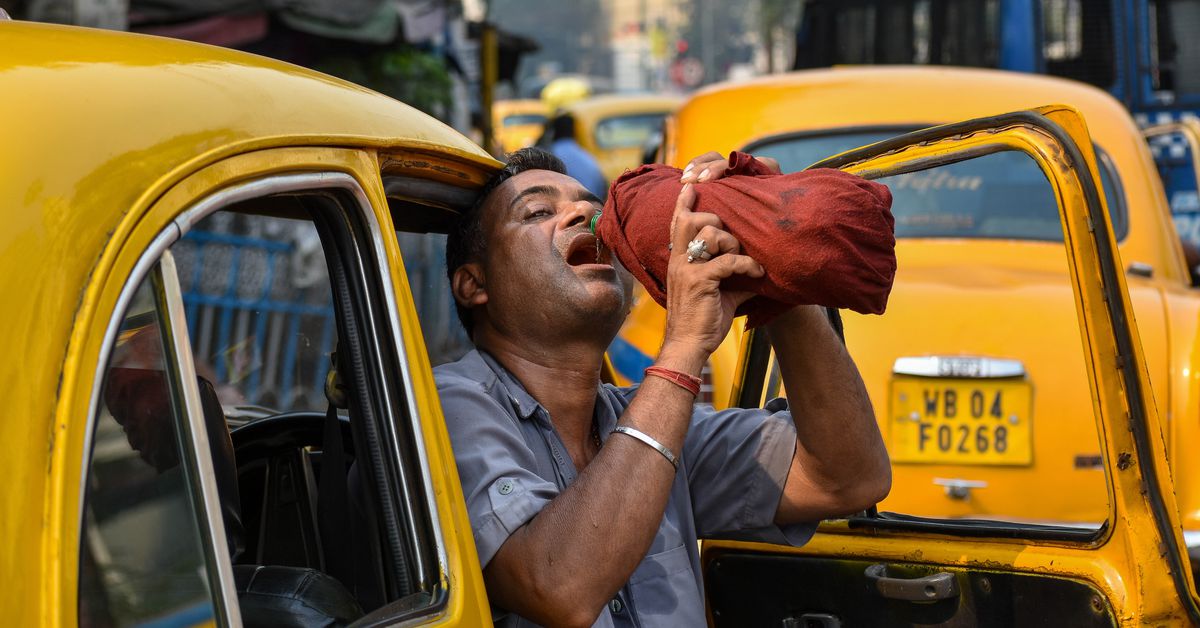
Early heat waves caused by climate change are more dangerous for vulnerable populations who have not yet acclimatized to the higher temperatures. The most vulnerable include older adults, children, outdoor workers, and pregnant people. Climate change is also disrupting the usual patterns of heat, with summers becoming longer and more intense, and nights becoming hotter. Infrastructure and policies that help people cope with heat are unevenly distributed, with low-income communities of color often lacking vital resources and green amenities. Tackling heat risk requires more investment in heat preparedness much earlier in the year.