England’s World Cup clash with Mexico in Mexico City is set for 8 p.m. ET, with England adjusting to the city’s high altitude, tight security after deadly post-match celebrations, and a restricted crowd of about 25,000 near the Angel of Independence; Brazil vs. Norway also headlines the evening’s doubleheader.
Mexico hosts England in the World Cup 2026 Round of 16 at the Azteca, a clash shaped by high altitude, a partisan home crowd and history. Kane’s late heroics for England loom in the memory of this fixture, while Mexico aim to extend their knockout win streak. Opta predictions put England around 40% to win in normal time, with Mexico about 32% and a ~28% chance of extra time. England injuries include Quansah and James, with lineups noted, and the eventual winner will face Brazil or Norway in the Miami quarterfinals. The match rekindles Azteca lore from 1986 and 1970 finals amid a high-stakes atmosphere.
An OutKick piece suggests Viagra, which is not banned by WADA, could help England cope with the high altitude of Mexico City's Azteca Stadium (about 7,000+ feet) during their World Cup match by reducing fatigue and dizziness. The idea is presented as a speculative edge rather than a guaranteed tactic, with the article noting the matchup’s challenging environment and some pre-match theater around hotel security and preparation.
England head to Mexico City to face Mexico at the high-altitude Azteca (2,240m) in a World Cup 2026 knockout clash, with kickoff kept at 6pm local after weather concerns; thin air can sap stamina and alter ball flight, and Mexico’s familiarity there could be an edge, while England manager Tuchel acknowledges the challenge and may tweak tactics to conserve energy.
England arrive in Mexico City for the World Cup last-16 against co-host Mexico amid heavy hotel security following noise complaints, while players must cope with high altitude, potential thunderstorms, and rumors of spying; kickoff is set for 18:00 local time but could be delayed by weather, and the squad is preparing with sleep aids and noise-masking devices.
The Mexico vs England World Cup match at the Azteca Stadium will kick off at 6 p.m. local time (8 p.m. ET) as scheduled after FIFA rejected a noon change, following talks with the Mexican FA and the English FA; altitude considerations at the high‑altitude venue were noted, but no schedule change was made.
Thomas Tuchel says England will have no time to acclimate to the high altitude of Mexico City's 7,200 ft elevation for their World Cup last-16 clash, arriving two days before kickoff while Mexico is already used to thinner air, potentially giving Mexico an edge.
Tadej Pogačar capped his Tour de Suisse campaign with three stage wins and the overall GC, using altitude-based training to push his form to new heights and delivering a confident build-up for the Tour de France as he heads to Barcelona; he showcased strong climbing and a decisive time trial, reinforcing belief that he’s in peak shape for the Grand Départ.
Rock icon Rod Stewart paused his Utah show to take oxygen from a tank after nearly fainting onstage, an moment some fans attributed to the venue’s high elevation (about 4,300 feet). He recovered, telling the crowd that the show must go on as he continued the performance. The tour—One Last Time—has a next date July 31 at Jones Beach Theater in Wantagh, NY, and TMZ reported he had recently been sidelined by laryngitis, which led to a canceled San Diego show.
Outside Online weighs evidence that creatine monohydrate, widely used for muscle performance, may also support brain function under stress and fatigue by replenishing ATP, potentially helping decision-making and vigilance in extreme environments (sleep deprivation, high altitude). A 2025 review notes memory and attention gains in older adults; a 2024 study links creatine to reduced tiredness under stress; however, evidence is mixed and not all studies show cognitive benefits, especially in everyday or high-stress settings. In practical terms, 3–5 g/day is considered safe for most people (kidney disease patients should consult a doctor), though initial water retention can occur. While creatine could offer a mental edge during long expeditions or backcountry challenges, researchers emphasize that the brain-benefit remains not fully proven and more research is needed to confirm its impact in extreme conditions.
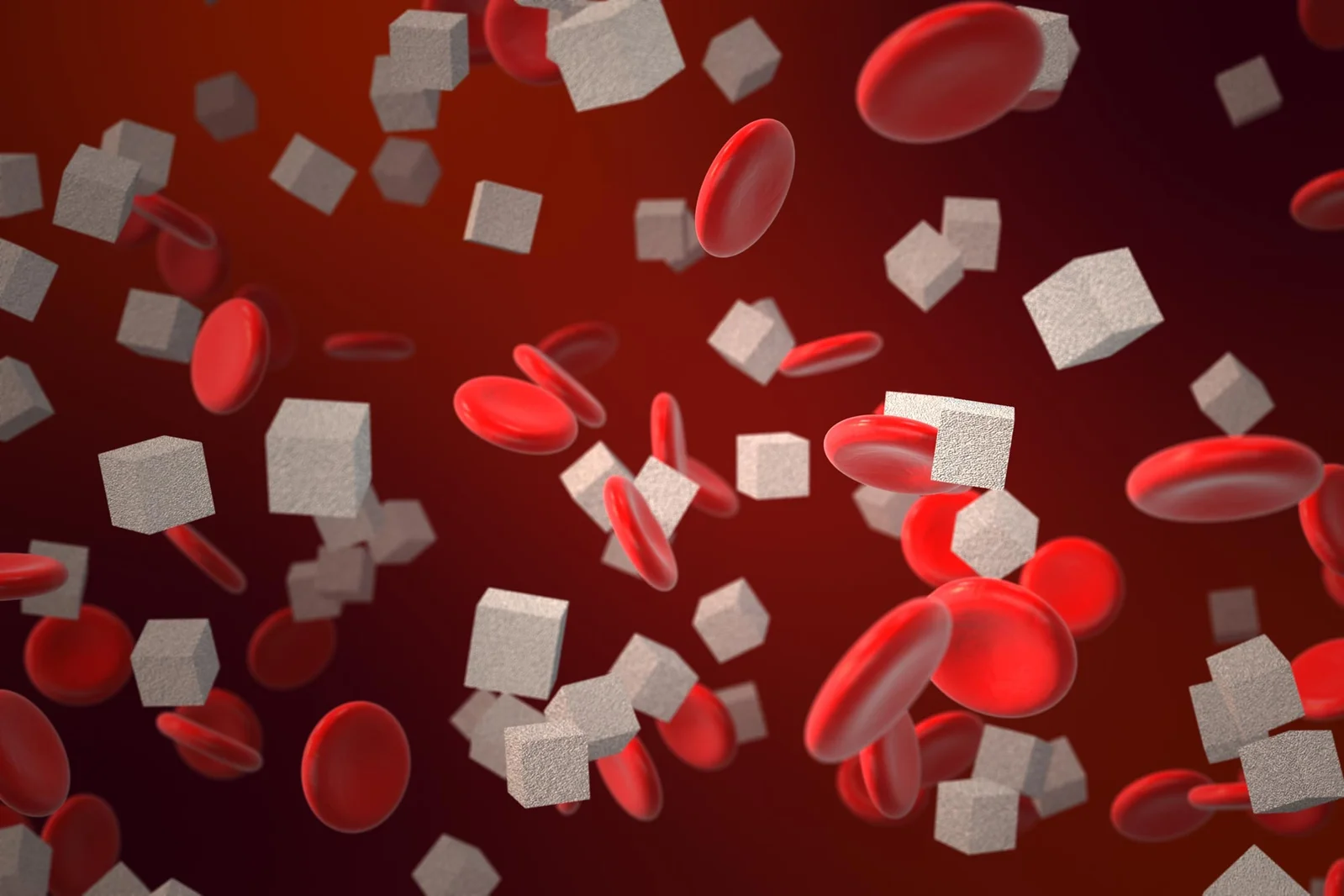
Mouse studies show that chronic low-oxygen conditions at high altitude boost glucose uptake by red blood cells, lowering blood sugar and potentially reducing diabetes risk, with early work suggesting therapies that mimic this effect, though human applications are not yet established.
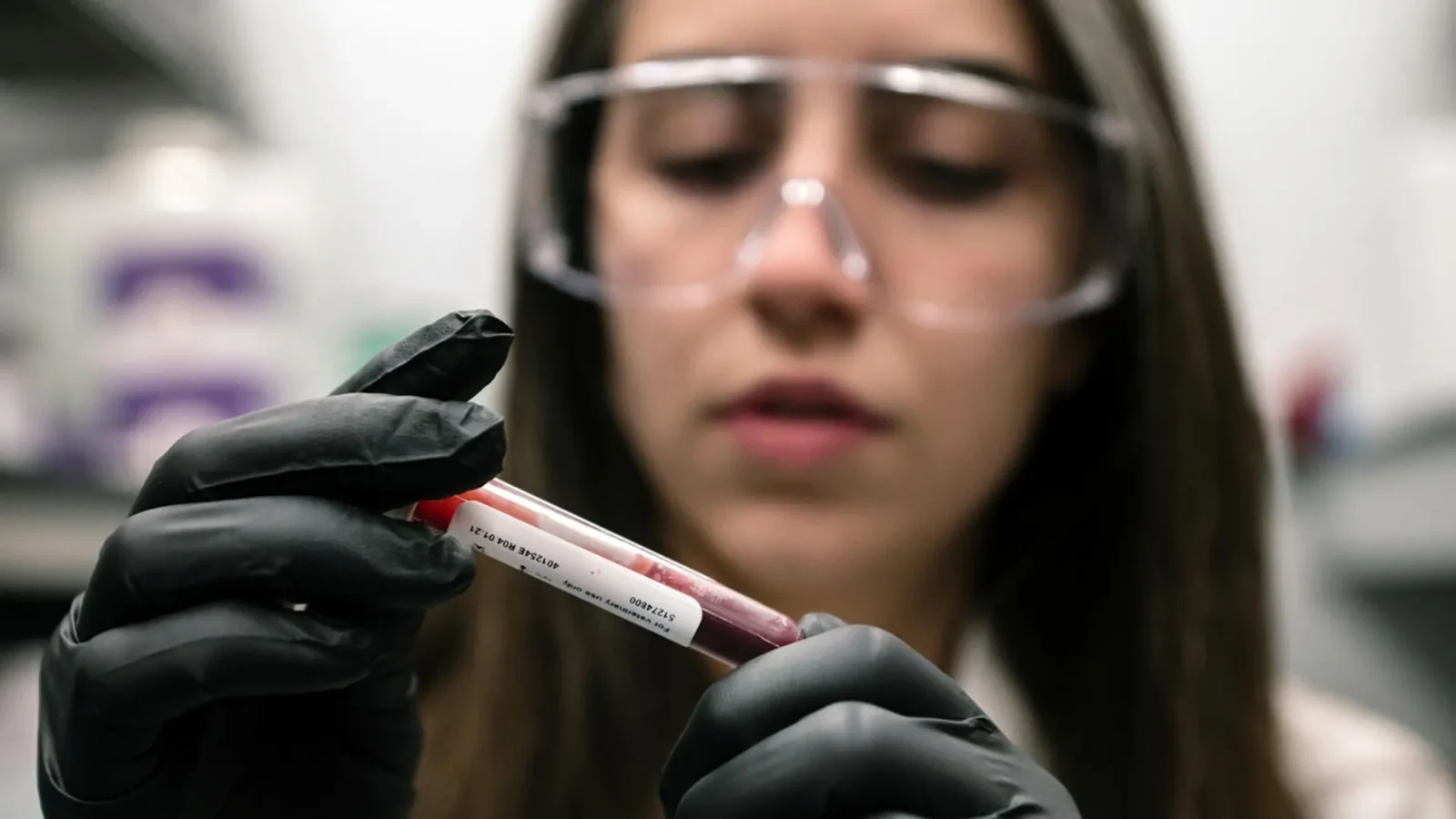
Scientists at Gladstone Institutes found that under low-oxygen conditions, red blood cells absorb large amounts of glucose from the bloodstream, acting as a sugar sink and lowering blood sugar, which may explain reduced diabetes risk at high altitudes; a drug mimicking this effect reversed diabetes in mice, suggesting a new therapeutic approach.
Researchers find that low oxygen at high altitude causes red blood cells to absorb large amounts of glucose from the blood, acting as a glucose sink and improving oxygen delivery. This mechanism may explain the lower diabetes prevalence at high altitudes and points to new treatments, including HypoxyStat, which mimics hypoxia to reduce blood sugar by altering red blood cell glucose handling.
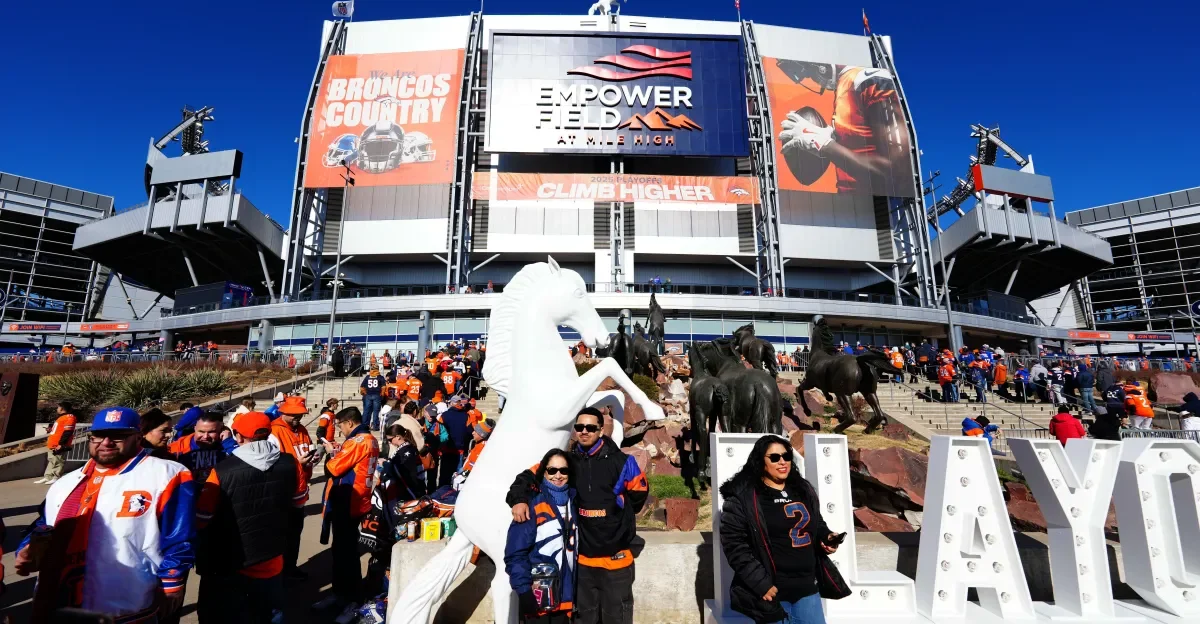
Denver hosts New England as Bo Nix is out 4–6 months and Jarrett Stidham will start; Patriots coach Mike Vrabel says they’ll handle Mile High with their standard altitude prep—travel early and stay conditioned. Safety Craig Woodson notes the team is 8-0 on the road and won’t alter their approach, while Broncos fans brace for a tougher road outing and some observers wonder if New England’s confidence is justified.