Neanderthal DNA Remains in Non-Africans After Thousands of Years of Interbreeding
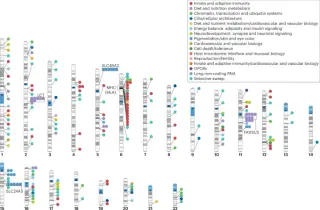
Genetic evidence shows modern humans and Neanderthals overlapped and interbred long before Neanderthals vanished around 40,000 years ago; non-African populations today carry about 1–4% Neanderthal DNA (East Asians are a bit higher). The main admixture occurred roughly 45,000–49,000 years ago and continued for about 7,000 years, with ‘Neanderthal deserts’ indicating regions where archaic DNA was purged. The Oase man carried 6–9% Neanderthal DNA, illustrating very recent ancestry. Surviving Neanderthal fragments influence immune function, skin, and metabolism, and some variants are linked to disease risk such as severe COVID-19 on chromosome 3. In short, Neanderthals did not vanish from our genome—they left a lasting genetic legacy through interbreeding and natural selection.