Tag

Human Adaptation

All articles tagged with #human adaptation

Ancient DNA Maps the Long Arc of Human Adaptation
science28 days ago

Ancient DNA Maps the Long Arc of Human Adaptation

Nature Genetics’ 2026 review synthesizes how ancient DNA enables direct observation of genetic changes over time, detailing how humans adapted to shifts in diet, mobility, pathogen exposure, and environment; it reviews methods for detecting selection in ancient genomes, assesses the impact of major migrations and admixture, links findings across continents and archaeological contexts, and outlines future challenges and opportunities for using ancient DNA to uncover adaptive insights that aren’t apparent from modern genomes alone.


Andean Arsenic Adaptation: A Genetic Shield Against Toxic Groundwater
science2 months ago

Andean Arsenic Adaptation: A Genetic Shield Against Toxic Groundwater

DNA analysis of 124 women from the high-arsenic town San Antonio de los Cobres shows variants near the AS3MT gene that help metabolize arsenic more safely, producing excretable forms and fewer toxic intermediates. The pattern suggests long-term arsenic exposure has driven genetic adaptation in Andean populations, with similar signals in other Andean groups and implications for how humans adapt to environmental toxins (published in Molecular Biology and Evolution).

Ancient Space Event Altered Human Evolution 41,000 Years Ago
science8 months ago

Ancient Space Event Altered Human Evolution 41,000 Years Ago

Approximately 41,000 years ago, a significant geomagnetic disruption called the Laschamps Excursion weakened Earth's magnetic field, leading to increased solar radiation exposure, which likely influenced human behavior and adaptation, such as increased sheltering and use of ochre for protection. This interdisciplinary research links space weather to human history, highlighting how ancient environmental changes impacted our ancestors' lives.

Canadian Teen's Bird Flu Strain Shows Human Adaptation Signs
health1 year ago

Canadian Teen's Bird Flu Strain Shows Human Adaptation Signs

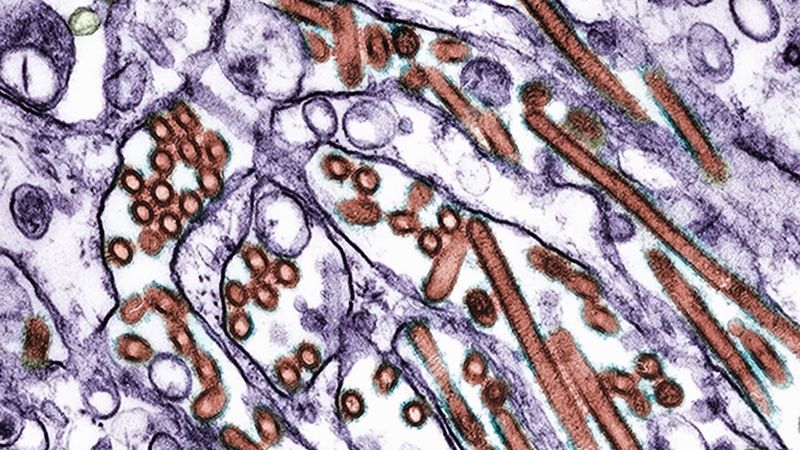
A Canadian teenager hospitalized with the H5N1 bird flu virus has shown mutations that could potentially allow the virus to spread more easily among humans, though no further cases have been identified. The mutations enable the virus to attach to human cells more effectively, raising concerns among scientists about the virus's potential to adapt further. Despite these findings, experts stress that this is not the start of a pandemic, as the virus has not shown effective human-to-human transmission.

"Surviving the 74,000-Year-Old Supervolcano Eruption"
archaeologyanthropology2 years ago

"Surviving the 74,000-Year-Old Supervolcano Eruption"

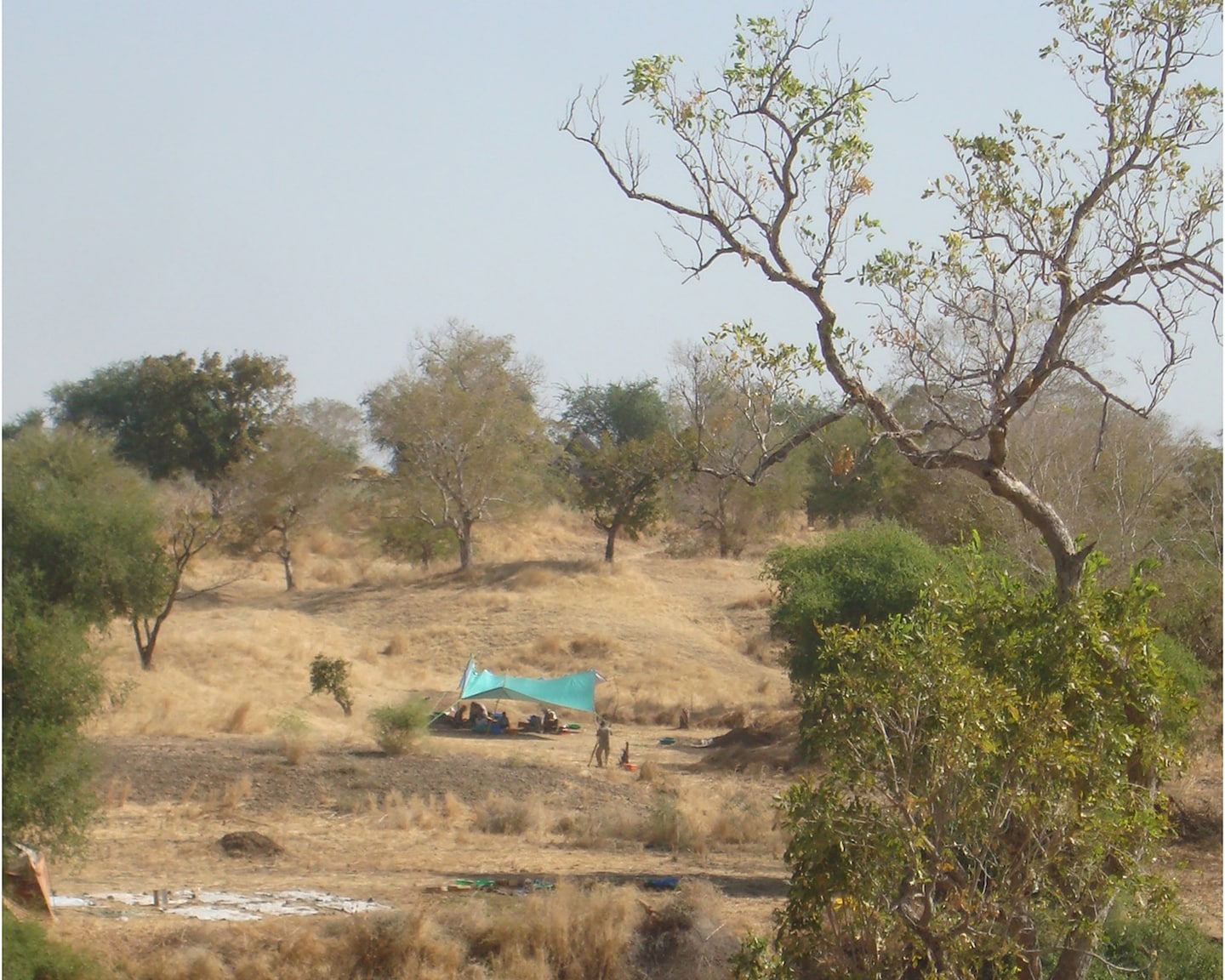
Microscopic glass shards from the Toba supervolcano eruption in Ethiopia suggest that early modern humans survived the event by adapting to extreme arid conditions, shifting their diet to include more fish. This challenges the idea that humans couldn't survive in such climates and offers an alternate theory for human dispersal out of Africa. The study also provides evidence that humans were flexible in their adaptations and could overcome environmental challenges, contradicting the popular belief that the Toba eruption nearly drove humans to extinction.

The Surprising Ways Hair Helped Early Humans Stay Cool and Regrow Hair Today
science3 years ago

The Surprising Ways Hair Helped Early Humans Stay Cool and Regrow Hair Today

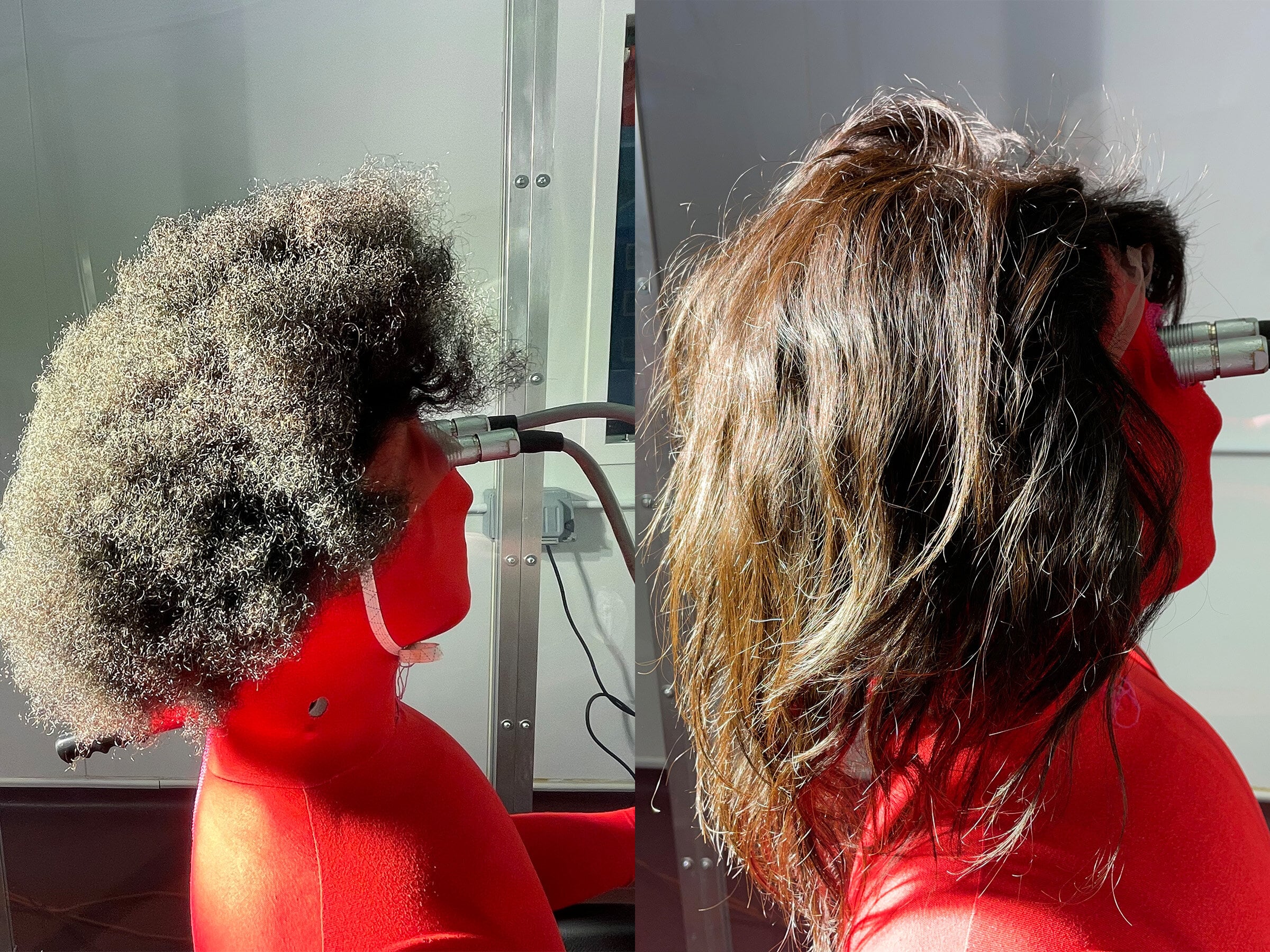
A new study has found that tightly curled hair provides the best protection from the sun's radiative heat while minimizing the need to sweat to stay cool. The research examined the role human hair textures play in regulating body temperature and can shed light on an evolutionary adaptation that enabled the human brain to grow to modern-day sizes. As early humans evolved to walk upright in equatorial Africa, the tops of their heads increasingly took the brunt of solar radiation, and scalp hair likely evolved as a way to reduce the amount of heat gain from solar radiation, thereby keeping humans cool without the body having to expend extra resources.