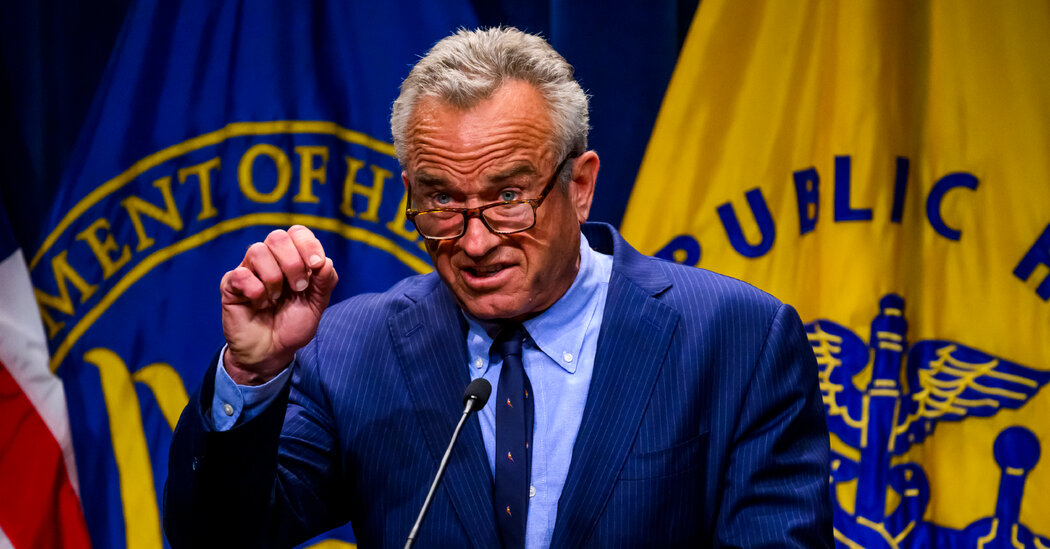
An FDA advisory panel voted to lift manufacturing restrictions on four peptides for human use despite limited safety and efficacy data, a move critics say was influenced by RFK Jr. and his allies; the FDA could still reject or adopt the panel's recommendation.
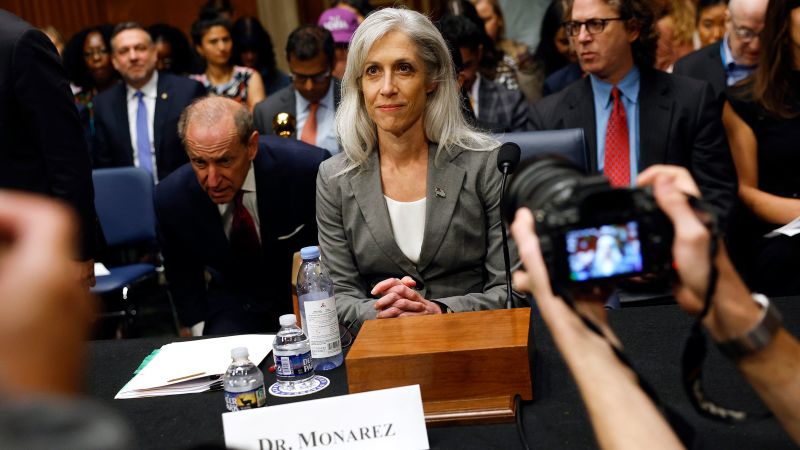
Kennedy has packed the FDA’s Pharmacy Compounding Advisory Committee with peptide advocates and industry ties, even as FDA scientists warn that several popular injectable peptides lack proven safety or efficacy. The agency added nine new members (raising the panel to 13) who will review seven peptides and consider whether compounding pharmacies can produce them for human use, with final determinations expected after input from the advisory process.
The FDA announced July 2026 and February 2027 advisory meetings to consider restoring access to 12 unproven peptides previously removed from a compounding-drug list due to safety risks, despite no new supporting safety or efficacy data. RFK Jr. has championed these peptides, claiming the meetings will “restore science,” while critics warn the Pharmacy Compounding Advisory Committee is under-staffed and at risk of being populated by allies, potentially circumventing standard drug-approval scrutiny. The seven peptides to be reviewed in July are BPC-157, KPV, TB-500, MOTs-C, Emideltide (DSIP), Semax, and Epitalon; the five scheduled for February 2027 are Cathelicidin LL-37, GHK-Cu, Dihexa-acetate, Melanotan II, and Mechano Growth Factor PEG-MGF, all of which lack proven uses.
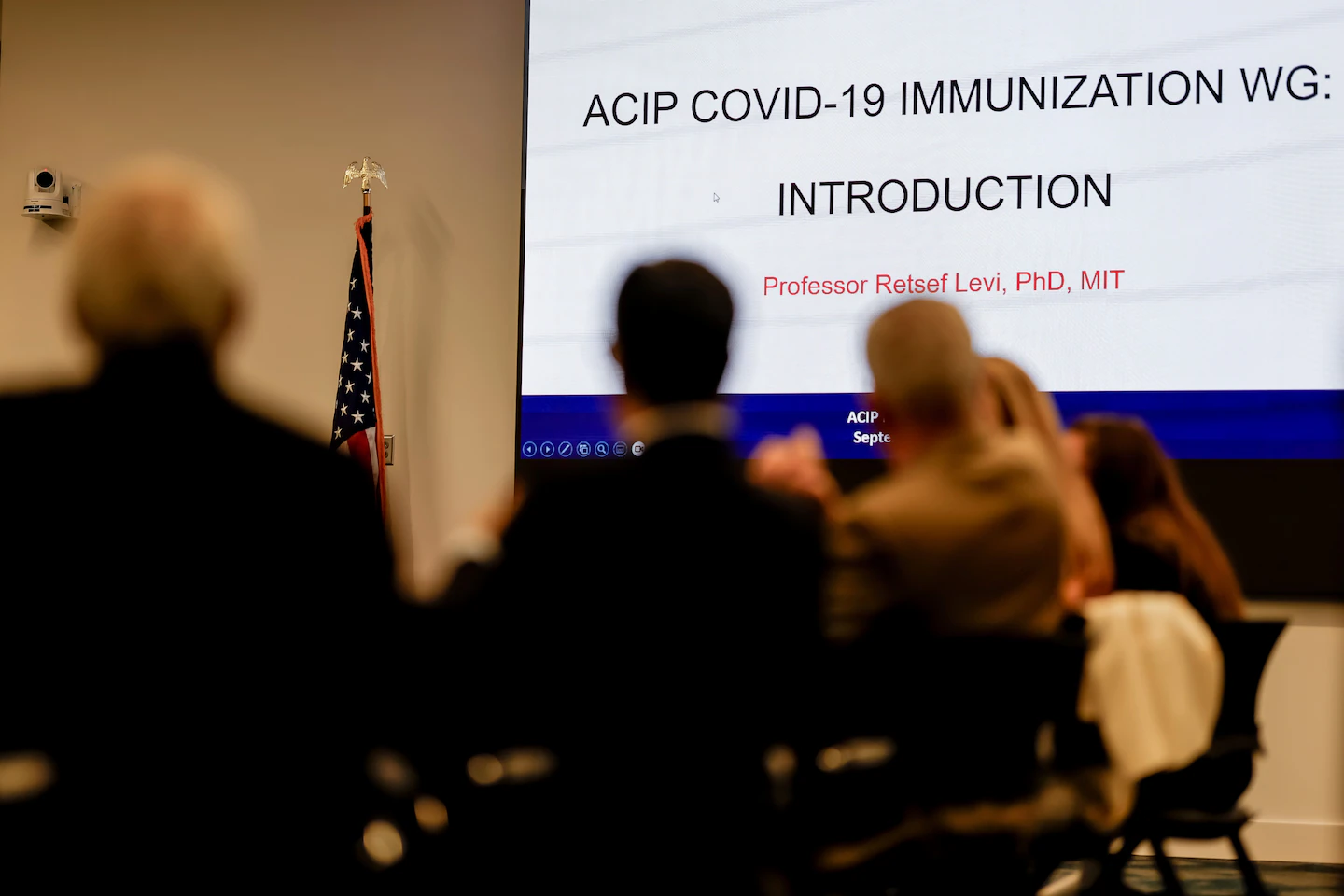
The article discusses tensions within the CDC's Advisory Committee on Immunization Practices, highlighting concerns about their understanding of process and reliance on flawed research during discussions on COVID, hepatitis B, and MMRV vaccines, amid broader conflicts about science under RFK Jr.
A US CDC advisory committee voted against recommending prescriptions for Covid vaccines, emphasizing individual decision-making and informed consent, amidst debates and divisions over vaccine safety and policy, which could impact vaccine access and coverage.
CDC vaccine advisors decided not to delay the hepatitis B vaccine for newborns despite discussions about potential side effects and safety concerns, reaffirming the vaccine's importance in preventing hepatitis B infections from mother to child.
A US CDC vaccine advisory committee is set to meet and potentially make significant changes to the childhood vaccine schedule, amid controversy over new members appointed by vaccine skeptic Robert F. Kennedy Jr. The meeting will focus on COVID-19 vaccine recommendations, hepatitis B vaccination policies, and other immunization issues, with concerns about politicization and scientific integrity influencing the process.
U.S. health secretary Robert F. Kennedy Jr. dismissed all 17 members of the CDC's immunization advisory committee, citing a need to restore public trust in vaccines, as the panel influences vaccine recommendations and coverage decisions.
Commanders owner Josh Harris has announced the formation of a small advisory committee, including former Vikings GM Rick Spielman and former Golden State Warriors GM Bob Myers, to assist in the hiring of a new head coach and head of football operations following the firing of Ron Rivera. Harris emphasized the importance of finding the right candidates to lead the franchise forward after a challenging 4-13 season, acknowledging the significant rebuilding job ahead for the team.
The FDA's Cardiovascular and Renal Drugs Advisory Committee voted 9-3 in favor of Alnylam Pharmaceuticals' Onpattro for the treatment of ATTR cardiomyopathy, with panelists agreeing that the benefits outweigh the risks. While acknowledging the limited benefits, committee members expressed hope that clinicians would counsel patients on this treatment option.
Sarepta Therapeutics' shares fell after a report from STAT revealed that the FDA had planned to reject the company's application for approval of its gene therapy to treat Duchenne muscular dystrophy without holding an advisory committee meeting. However, Dr. Peter Marks, the top FDA official, intervened and scheduled the hearing, leading to uncertainty about the approval of the gene therapy.
Sarepta Therapeutics' stock crashed nearly 20% after the FDA announced it would hold an advisory committee to discuss the risks and benefits of its gene therapy for Duchenne muscular dystrophy, despite the company's belief that it had met the requirements for accelerated approval. The FDA's decision to hold the advisory committee meeting before the May 29 approval decision date has raised concerns about a potential extension of the approval date. However, some analysts remain optimistic about the potential for Sarepta's gene therapy to ultimately gain approval.
San Francisco supervisors are considering paying reparations to Black people, but have not yet decided on the form of payment. The idea of Black reparations is not new, but movements began spreading across the country after George Floyd's death in 2020. Supporters argue that decades of racist policies and laws have systemically denied Black Americans access to property, education, and the ability to build generational wealth. Critics say it is not fair for municipal taxpayers to shoulder the cost of structural racism and discriminatory government policies. The advisory committee has made over 100 recommendations, including education, health, and job opportunities, but it is not clear how San Francisco will finance its atonement and repair.