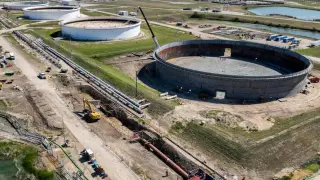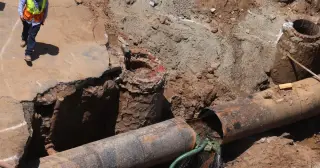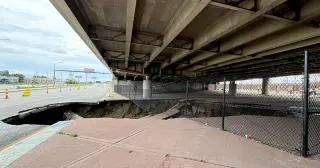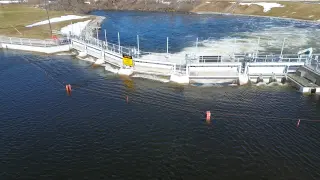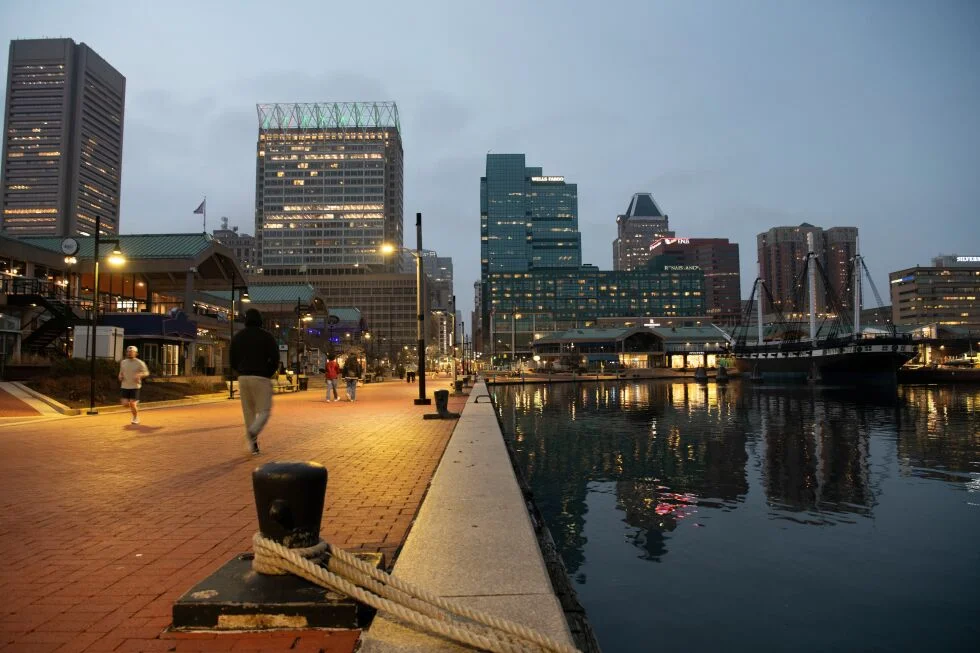
A January pipe collapse led to a sewage spill into the Potomac River, spotlighting aging wastewater infrastructure in the DC region and sparking renewed worries about the resilience and environmental/public-health implications of U.S. water systems.
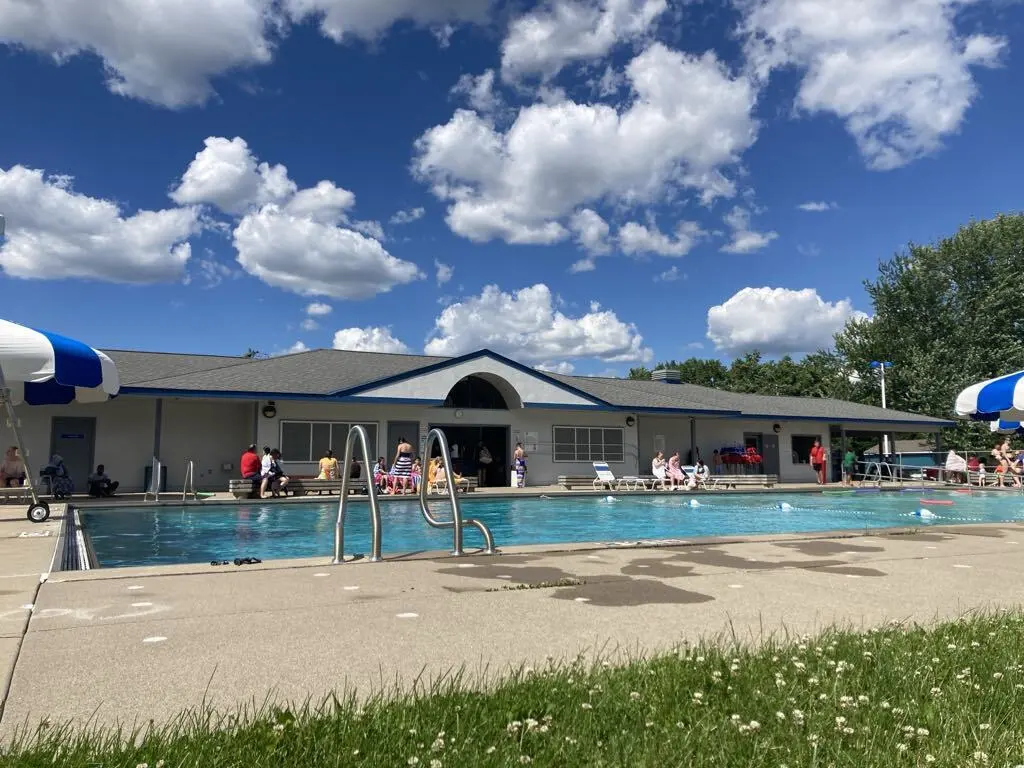
West St. Paul is considering major renovations or replacement of its aging community pool, which is popular among residents but requires significant repairs. The city is evaluating two renovation options costing between $1.3 million and $4 million, with funding challenges and community support influencing the decision. The future of the pool depends on budget considerations and potential voter approval.
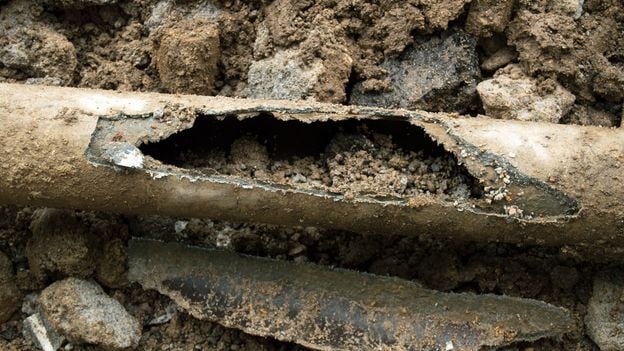
Aging asbestos cement water pipes are raising concerns about potential health risks as they degrade and release asbestos fibers into drinking water supplies. While the World Health Organization (WHO) currently does not consider ingestion of asbestos in drinking water to be a serious risk, some experts argue for more detailed research on the impact on human health. Asbestos is a known carcinogen, and there are mixed findings on the potential health effects of ingesting asbestos fibers, with some studies showing a correlation with stomach and gut cancers. As aging asbestos cement pipes reach the end of their lifespan, the debate about the health risks associated with asbestos in drinking water is gaining attention globally.
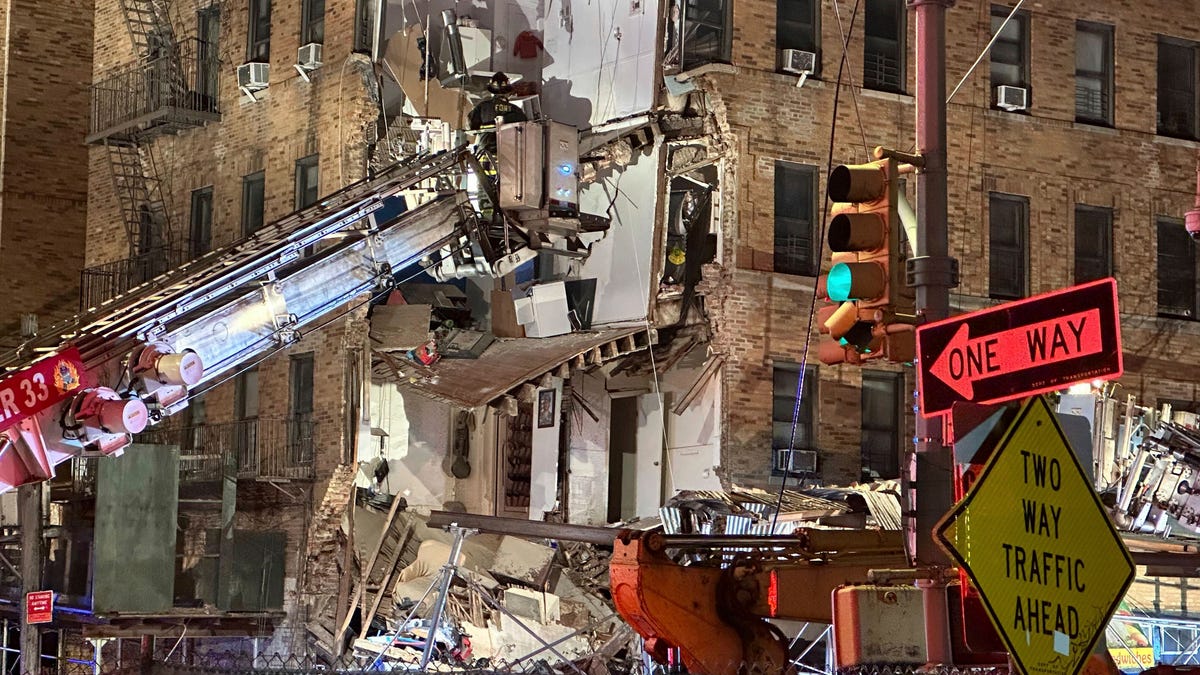
Experts advise residents of older buildings to watch out for signs of structural degradation, including water intrusion, sagging ceilings, expanding cracks, and changes in windows and doors. They recommend reporting these issues to building owners or authorities. The recent collapse of a seven-story tenement building in New York City has highlighted the need for greater oversight and inspections of aging housing stock. The city's buildings department acknowledges the challenge of inspecting all buildings and is considering escalating fines to ensure landlords keep up with maintenance and repairs.
High temperatures have forced school closures in several US cities, including Detroit, Pittsburgh, and Grand Rapids, renewing concerns about aging infrastructure amid climate change. In Pittsburgh, 40 schools shifted to remote learning, while in Grand Rapids, administrators canceled school for the remainder of the week. Poorly cooled or heated school buildings in the US is an intensifying worry as more school districts are grappling with aging infrastructure and the effects of climate change. A report in 2020 from the US Government Accountability Office concluded that roughly 41 percent of school districts need to update or replace heating, ventilation, and air-conditioning systems in at least half of their schools.