Cadaver dogs indicated possible human remains in the Centennial Mills warehouse rubble. Authorities say demolition is necessary to reduce collapse risk and allow a more complete search for bodies as the investigation continues.
After the Centennial Mills warehouse fire in Portland, debris in the Pearl District tested positive for asbestos. The DEQ coordinated with the EPA to collect air and building-debris samples, while officials warned residents not to disturb ash and debris. Air monitoring outside the immediate fire area shows a low health risk, but The Fields Park was closed as a precaution and cleanup plans are underway, potentially involving a controlled demolition. Residents voiced concerns about communication and safety as investigations continue.
The piece reviews how common environmental factors—radon gas in homes, lingering asbestos in older buildings, microplastics, and outdoor air pollution—are linked to cancer risk and offers practical steps to reduce exposure: test homes for radon and mitigate if high; have asbestos safely removed by professionals (EPA banned asbestos in 2024); minimize microplastic exposure by choosing mindful personal care products and avoiding heavy plastic use; reduce air-pollution exposure with measures like masks and at-home air purifiers; and embrace overall healthy lifestyle habits to lower cancer risk.
Elaine Ellery, a mother of two in Norfolk, England, died at 67 from mesothelioma. A Norfolk Coroner’s Court ruled her cancer was caused by asbestos exposure she endured as a child from her father’s work clothes and factory environment, including hugs and helping wash his overalls; her father died earlier from an asbestos-related industrial disease.
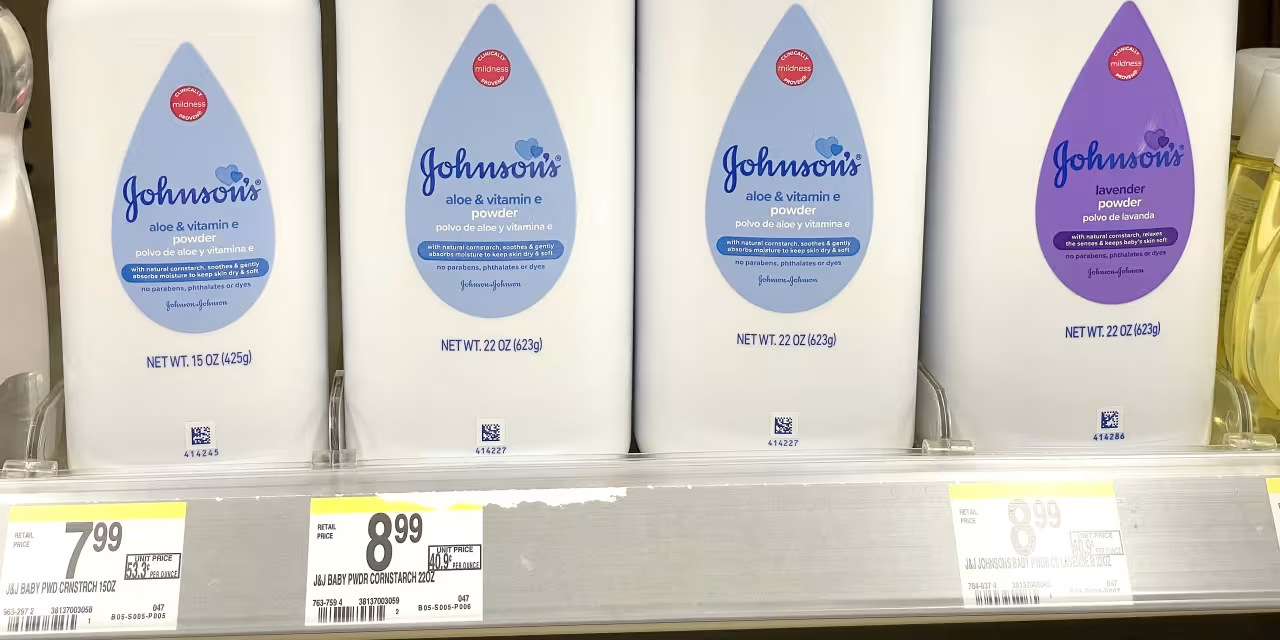
A Minnesota jury awarded $65.5 million to a woman who claimed Johnson & Johnson's talcum powder exposed her to asbestos and contributed to her developing mesothelioma, part of ongoing legal battles over the safety of talc products.
Kenvue's stock dropped 10% after a UK lawsuit accused Johnson & Johnson and Kenvue UK of selling asbestos-contaminated baby powder linked to serious diseases, raising potential financial concerns amid ongoing litigation and previous US lawsuits. Johnson & Johnson denies the allegations, and the case adds to the company's legal challenges related to talc products.
The Trump administration has reversed its previous plan to reconsider and delay the Biden-era ban on the last type of asbestos used in the U.S., following public outcry and health concerns.
U.S. Supreme Court Justice Samuel Alito abstained from participating in a unanimous decision regarding bankruptcy claims in the case of Truck Insurance Exchange v. Kaiser Gypsum Co. The court ruled that insurers with financial responsibility for bankruptcy claims are considered "parties in interest" under Chapter 11 proceedings, allowing them to object to reorganization plans. Alito did not provide a reason for his absence, which follows recent criticism over an incident involving an upside-down American flag outside his home.
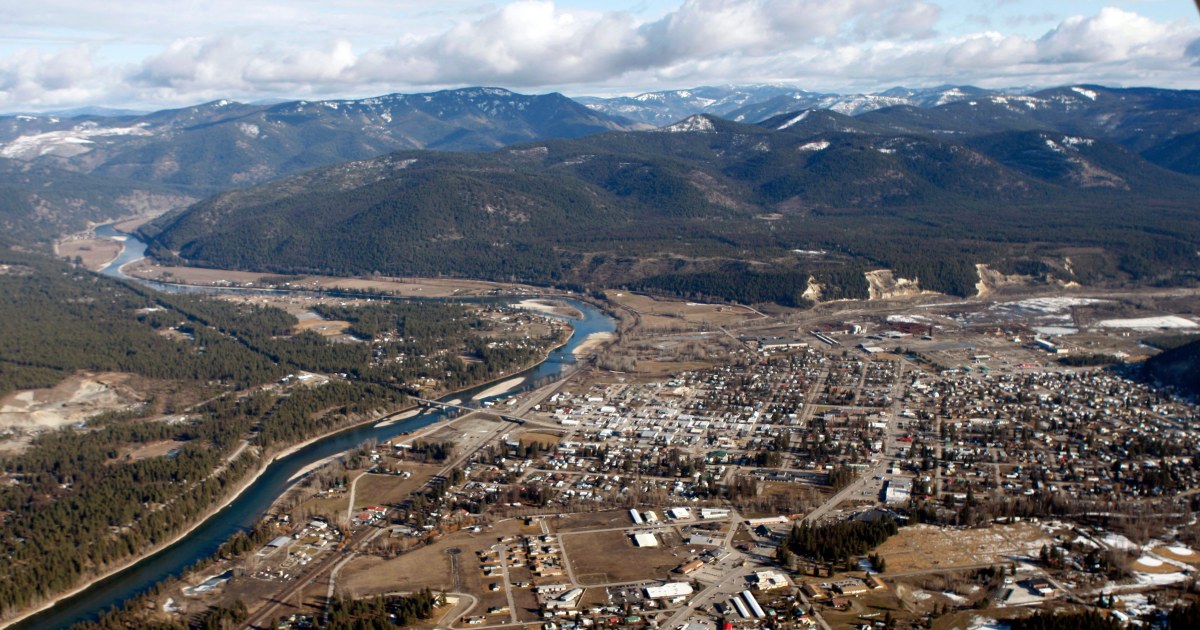
BNSF Railway is facing a lawsuit over its alleged role in asbestos exposure in Libby, Montana, where hundreds have died from lung cancer. The company claims it was unaware of the asbestos in the vermiculite it hauled from a nearby mine, while plaintiffs argue that warning signs and conferences should have alerted them to the dangers. The case is the first of many against the railroad, and the judge has rejected the railroad's requests for verdicts in its favor, citing evidence that its actions fell outside legal protections due to maintaining a railyard with asbestos.
BNSF Railway is facing a lawsuit over its alleged role in exposing residents of Libby, Montana to asbestos from a nearby mine, resulting in hundreds of deaths and illnesses. The railroad claims it was unaware of the asbestos hazards, while plaintiffs argue that warning signs on rail cars and historical knowledge of asbestos dangers should have alerted BNSF to the risks. The case is the first of many lawsuits against the company to reach trial, with the town's tragic asbestos contamination being linked to W.R. Grace & Co.'s operations.
Victims of asbestos pollution in Libby, Montana, are taking BNSF Railway, owned by Warren Buffett's Berkshire Hathaway Inc., to court for alleged negligence and wrongful death related to asbestos exposure from contaminated vermiculite transported by the railroad. Hundreds have died and thousands have been sickened, with the first trial set to begin soon. The EPA declared a public health emergency in Libby in 2009, and a cleanup has cost an estimated $600 million. The railroad denies responsibility, but victims seek justice as they battle asbestos-related diseases.
Victims of asbestos exposure in Libby, Montana, are taking BNSF Railway, owned by Warren Buffett's Berkshire Hathaway Inc., to court, alleging negligence and wrongful death for failing to control contaminated dust from vermiculite shipments. Hundreds have died and thousands have been sickened from asbestos exposure in the area, leading to numerous lawsuits. The first trial is set to begin, with plaintiffs seeking accountability for the health crisis caused by asbestos pollution. The cleanup has cost an estimated $600 million, with ongoing health risks expected for decades.
The U.S. Environmental Protection Agency has announced a ban on the most common form of asbestos, chrysotile asbestos, after decades of industry pushback. Asbestos is a known carcinogen linked to tens of thousands of American deaths annually, and the ban aims to protect public health by prohibiting its use in certain products and phasing out its use in the chlor-alkali industry. Despite the ban, asbestos still exists in many existing buildings and products, and the EPA's action is seen as a modest step in reducing future exposures.
The US EPA has announced a historic ban on ongoing uses of chrysotile asbestos, the last form of asbestos being used in the United States, citing its link to various types of cancer. The ban will affect industries such as automotive brakes and the chlor-alkali industry, with different transition deadlines set. While the move has been celebrated as a major milestone for chemical safety, concerns remain about legacy asbestos in old buildings and infrastructure. The EPA is also evaluating legacy uses of asbestos-containing talc, and lawmakers are urged to provide stronger protections for public health.
The Environmental Protection Agency has announced a comprehensive ban on asbestos, a carcinogen that kills tens of thousands of Americans every year, marking a major expansion of EPA regulation under a 2016 law. The ban will end the ongoing use of asbestos in the U.S., with EPA Administrator Michael Regan calling it a major step to protect public health. Exposure to asbestos is known to cause lung cancer, mesothelioma, and other cancers, and the ban aligns with President Joe Biden's Cancer Moonshot initiative. The ban on asbestos in most products will take effect in two years, with some exceptions for specific uses, and has been hailed by advocacy groups as a significant step in protecting public health.